Most drivers think about their fuel tank only when it’s time to refill at the gas station. But have you ever wondered where the fuel tank is actually located in your car and why it’s placed there?
The fuel tank is the container that stores gasoline or diesel before it is sent to the engine through the fuel system. While its job seems simple, its location and design are carefully chosen for safety, weight balance, and efficiency.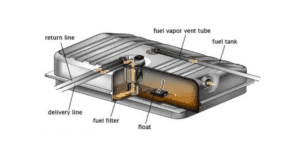 In most modern vehicles, the fuel tank is located at the rear of the car, underneath the trunk area and just in front of the rear axle. This position protects the tank during accidents and helps distribute the vehicle’s weight properly.
But the exact location can vary depending on:
- Vehicle type
- Engine layout
- Manufacturer design
- Safety regulations
In this complete guide, we’ll explore:
- Where the fuel tank is located in different cars
- Why do manufacturers place it there
- How the fuel system works
- Signs of fuel tank problems
- Maintenance tips
- A buyer’s guide for replacement fuel tanks
Let’s dive in.
Typical Fuel Tank Location In A Car
For most modern passenger vehicles, the fuel tank is positioned under the rear of the vehicle, between the rear wheels, band elow the trunk floor. This location offers several advantages:
- Protects the tank during collisions
- Keeps weight balanced across the vehicle
- Makes it easy to access the fuel filler neck
You usually access the tank through the fuel door located on the side of the car, which connects to the tank via the filler pipe.
Fuel Tank Locations By Vehicle Type
Different vehicles place the fuel tank in slightly different positions depending on their design.
| Vehicle Type | Typical Fuel Tank Location | Reason |
| Sedan | Under the trunk near the rear axle | Safety and weight balance |
| SUV | Under rear cargo area | Lathe rger tank capacity |
| Pickup Truck | Under the truck bed or along the frame | Space for heavy-duty tanks |
| Sports Car | Behind seats or mid-chassis | Better weight distribution |
| Hybrid Car | Rear underside or center | Space for battery pack |
This design flexibility allows automakers to maximize both safety and performance.
Why Fuel Tanks Are Located In The Rear
There’s a good reason most vehicles place the fuel tank near the back.
1. Safety During Collisions
Placing the tank away from the engine reduces the risk of fuel ignition during frontal crashes.
Rear placement also allows the frame structure to absorb impact forces before reaching the tank.
2. Better Weight Distribution
A full fuel tank can weigh 40–80 pounds (18–36 kg) depending on its size. Positioning it near the rear helps balance the car’s weight between the front and back.
This improves:
- handling
- stability
- ride comfort
3. Efficient Space Use
The rear underside of the car often has unused space, making it an ideal location for the tank. This keeps the passenger cabin and trunk area free.
4. Easy Refueling
Rear placement allows manufacturers to design convenient fuel filler doors on either side of the vehicle.
Main Parts Of The Fuel Tank System
The fuel tank is only one part of the entire fuel storage and delivery system. Here are the main components.
Fuel Tank
The main container that stores gasoline or diesel.
Fuel Pump
Located inside the tank, the pump sends fuel to the engine.
Fuel Level Sensor
Measures how much fuel remains and sends data to the dashboard gauge.
Fuel Filler Neck
The pipe connecting the fuel door to the tank.
Evaporative Emission System (EVAP)
Captures fuel vapors and prevents them from escaping into the atmosphere.
Fuel Tank Materials
Modern fuel tanks are made from durable materials designed to resist corrosion and impact damage.
| Material | Advantages | Disadvantages |
| Steel | Strong and durable | Heavier, can rust |
| Aluminum | Lightweight and corrosion-resistant | |
| astic (HDPE) | Lightweight, rust-proof, flexible | Less impact resistant |
Mimpact-resistantnow use high-density polyethylene plastic tanks because they are lighter and more resistant to corrosion.
How A Car Fuel Tank Works
The fuel tank works as part of a larger system that delivers fuel safely to the engine. Here’s the process:
- Fuel is pumped into the tank during refueling.
- The fuel pump inside the tank draws fuel when the engine runs.
- Fuel travels through fuel lines toward the engine.
- The fuel injectors deliver fuel into the combustion chamber.
- Fuel vapors are captured by the EVAP system to reduce emissions.
This entire process ensures your engine receives a steady supply of fuel for combustion.
Signs Of A Fuel Tank Problem
While fuel tanks are built to last many years, problems can still occur. Here are common warning signs.
Fuel Smell Around The Car
A strong gasoline smell may indicate:
- leaks
- damaged fuel lines
- EVAP system issues
Fuel Leaks Under The Vehicle
Visible liquid under the rear of the car could mean:
- tank corrosion
- cracked plastic tank
- loose connections
Check Engine Light
The EVAP system connected to the fuel tank may trigger the check engine light if a leak or pressure issue occurs.
Difficulty Filling The Tank
If fuel keeps shutting off during refueling, the cause may be:
- clogged EVAP vent
- damaged filler neck
- faulty vent valve
Poor Engine Performance
Fuel delivery problems caused by a failing pump or contaminated fuel tank can result in:
- rough idle
- hesitation
- stalling
Fuel Tank Replacement Cost
Replacing a fuel tank can be costly, depending on the vehicle.
| Service | Average Cost |
| Fuel Tank Part | $300 – $900 |
| Labor | $200 – $600 |
| Fuel Pump Replacement | $150 – $400 |
| Total Replacement Cost | $500 – $1,500 |
Luxury or large SUVs may cost even more.
Buyer’s Guide: Choosing A Replacement Fuel Tank
If your fuel tank becomes damaged or corroded, choosing the right replacement is essential. Here’s what to consider.
Vehicle Compatibility
Always ensure the fuel tank matches:
- vehicle make
- model
- engine type
- production year
Incorrect tanks may not fit properly.
Material Quality
Choose tanks made from:
- HDPE plastic
- corrosion-resistant steel
- aluminum alloys
These materials offer better durability.
OEM vs Aftermarket Tanks
| Type | Advantages | Disadvantages |
| OEM | Perfect fit and reliability | Higher price |
| Aftermarket | Lower cost and widely available | Quality varies |
OEM tanks are usually the safest choice, but high-quality aftermarket parts can work well too.
Warranty
A replacement fuel tank should come with at least:
1–3 years warranty
This ensures protection against manufacturing defects.
Brand Reputation
Look for trusted manufacturers that specialize in automotive fuel systems. Well-reviewed brands often provide better fitment and durability.
Fuel Tank Maintenance Tips
Proper care can extend the life of your fuel tank and prevent costly repairs.
Avoid Running On Empty
Driving with very low fuel levels can cause the pump to overheat and pull debris from the tank.
Use High-Quality Fuel
Poor-quality fuel may contain contaminants that damage the fuel system.
Inspect For Leaks
Check underneath the vehicle occasionally for signs of fuel leaks.
Replace Fuel Filter
A clean fuel filter prevents debris from circulating through the system.
Address Warning Lights Quickly
Ignoring EVAP or fuel system warnings may lead to larger problems.
How Long Does A Fuel Tank Last?
Most modern fuel tanks last 15–20 years or the lifetime of the vehicle. However, factors that affect lifespan include:
- climate conditions
- road salt exposure
- fuel quality
- vehicle maintenance
Plastic tanks often last longer because they don’t rust like steel tanks.
Can You Drive With A Damaged Fuel Tank?
Driving with a damaged fuel tank is extremely dangerous. Risks include:
- fuel leaks
- fire hazards
- environmental contamination
- engine failure
If you suspect tank damage, have the vehicle inspected immediately.
Read More: What Does A Gearbox Do In A Car
FAQs: Where Is The Fuel Tank In A Car
Where is the fuel tank located in most cars?
In most vehicles, the fuel tank is located under the rear of the car beneath the trunk, nd near the rear axle.
Why are fuel tanks placed in the back of cars?
Rear placement improves safety, weight balance, and space efficiency.
How big is a typical car fuel tank?
Most passenger cars have tanks ranging from 12 to 18 gallons (45–68 liters).
Can a fuel tank leak be repaired?
Minor leaks may sometimes be repaired, but severely damaged tanks usually require replacement.
How do I know which side my fuel door is on?
Look at the fuel pump icon on your dashboard gauge. A small arrow indicates which side the fuel door is located.
What happens if water gets into the fuel tank?
Water contamination can cause engine misfires, poor performance, and fuel system damage.
Final Thoughts
The fuel tank is one of the most important yet overlooked components in a car. It safely stores the fuel that powers your engine and works alongside pumps, sensors, and emission systems to deliver fuel efficiently.
In most vehicles, the tank is strategically placed under the rear of the car to maximize safety and maintain proper weight balance. Understanding where the fuel tank is located and how it works can help you:
- diagnose potential issues
- maintain your vehiMaintainer
- avoid costly repairs
With proper care, most fuel tanks will last many years without problems, ensuring your car runs smoothly mile after mile.