Towing a rear-wheel-drive (RWD) vehicle sounds simple until you realize that doing it incorrectly can cause thousands of dollars in transmission damage.
I learned this lesson years ago when helping a friend move his older Mustang. Someone suggested simply hooking up a tow strap and pulling it with all four wheels on the ground. Fortunately, we double-checked before attempting it. Had we gone ahead, we could have seriously damaged the drivetrain.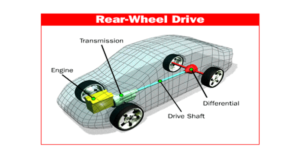 Rear-wheel-drive vehicles require special attention because of how power is transferred from the engine to the rear wheels. Unlike some front-wheel-drive cars, you can’t always tow them any way you want.
In this guide, I’ll explain exactly how to tow a rear-wheel-drive car safely, which methods work best, what equipment you need, and how to avoid costly mistakes.
Understanding Rear Wheel Drive Vehicles
In a rear-wheel-drive vehicle, the engine sends power through:
- Transmission
- Driveshaft
- Rear differential
- Rear wheels
Because the rear wheels remain connected to the drivetrain, towing with the rear wheels spinning can keep internal transmission components rotating even when the engine is off.
Without proper lubrication, this can quickly lead to overheating and transmission failure. Common rear-wheel-drive vehicles include:
- Ford Mustang
- Chevrolet Camaro
- Dodge Charger
- Toyota Tacoma (certain trims)
- Nissan Frontier
- BMW 3 Series (many models)
- Mercedes-Benz C-Class (certain versions)
Why Proper Towing Matters
Many people assume all vehicles can be pulled behind another vehicle. That assumption can become expensive. Improper towing can cause:
- Burned transmission components
- Damaged bearings
- Worn differential gears
- Bent driveshafts
- Tire damage
- Expensive repair bills
Transmission replacements can easily exceed several thousand dollars. A little preparation goes a long way.
Best Ways to Tow a Rear Wheel Drive Car
Generally, there are three accepted methods.
1. Flatbed Towing (Best Option)
A flatbed keeps all four wheels off the road. This eliminates drivetrain movement and is considered the safest method.
Advantages:
- No transmission damage risk
- Suitable for long distances
- Works for nearly all vehicles
- Reduced tire wear
Disadvantages:
- Usually more expensive
- Requires specialized equipment
For valuable vehicles, classics, or sports cars, I personally always recommend a flatbed.
2. Tow Dolly With Rear Wheels Elevated
A tow dolly can work if the rear drive wheels remain off the ground. For rear-wheel-drive cars, this means:
- Rear wheels on the dolly
- Front wheels rolling on the road
This setup prevents the driveshaft from spinning.
3. Disconnecting the Driveshaft
If flatbed equipment isn’t available, disconnecting the driveshaft may allow towing with all four wheels on the ground. However, this method requires:
- Mechanical knowledge
- Proper tools
- Careful reinstallation
I usually consider this a last resort.
Towing Method Comparison Table
| Towing Method | Safety Level | Transmission Risk | Cost | Best For |
| Flatbed Trailer | Excellent | None | Higher | Long-distance towing |
| Tow Dolly (Rear Wheels Up) | Very Good | Very Low | Moderate | Short to medium distances |
| Driveshaft Removed | Good | Low | Moderate | Emergencies |
| Four Wheels Down Without Prep | Poor | Extremely High | Cheap initially | Not recommended |
Can You Tow a Rear Wheel Drive Car With All Four Wheels Down?
In most cases, no. Unless the manufacturer specifically approves recreational towing or the driveshaft is disconnected, towing with all wheels on the ground can damage the transmission.
Always consult the owner’s manual. Modern transmissions are especially sensitive because lubrication often depends on engine-driven pumps.
Step-by-Step: How to Tow a Rear Wheel Drive Car Safely
Method 1: Using a Flatbed
Step 1: Inspect the Vehicle
Check:
- Tire condition
- Parking brake status
- Steering lock position
Step 2: Position the Trailer
Ensure:
- Flat surface
- Trailer brakes engaged
Step 3: Winch the Vehicle Onto the Trailer
Avoid sudden jerks.
Slow, controlled loading is safer.
Step 4: Secure the Vehicle
Use:
- Wheel straps
- Ratchet straps
- Safety chains
Double-check everything before driving.
Method 2: Using a Tow Dolly
Step 1: Load Rear Wheels Onto Dolly
Rear wheels must be elevated.
Step 2: Secure Tires
Tighten wheel straps firmly.
Step 3: Verify Front Wheels Move Freely
The steering wheel may need to remain unlocked.
Step 4: Check Lights and Chains
Never skip safety inspections.
Common Mistakes People Make
Over the years, I’ve seen several towing mistakes repeated again and again.
Leaving the Parking Brake On
This can destroy tires quickly.
Forgetting About Steering Lock
Locked steering can cause dangerous instability.
Using Cheap Straps
Poor-quality straps can fail unexpectedly.
Ignoring Weight Ratings
Tow equipment should exceed vehicle weight requirements.
Towing Too Fast
Higher speeds dramatically increase risks.
Rear Wheel Drive Towing Speed Recommendations
| Situation | Recommended Maximum Speed |
| Flatbed Towing | Follow local towing laws |
| Tow Dolly | 55–65 mph |
| Driveshaft Removed | 55 mph |
| Emergency Short Distance | Under 35 mph |
Always follow local regulations and equipment limitations.
Equipment You’ll Need
Depending on the method, useful equipment includes:
- Flatbed trailer
- Tow dolly
- Wheel straps
- Safety chains
- Ratchet tie-downs
- Wheel chocks
- Gloves
- Basic hand tools
Quality equipment makes towing much easier and safer.
Personal Experience: Why I Prefer Flatbeds
I’ve towed several rear-wheel-drive vehicles over the years, including older pickup trucks and muscle cars. The first few times, I experimented with dollies and driveshaft removal methods.
While both can work, they require more preparation and increase the possibility of mistakes. Flatbeds simply remove nearly all uncertainty.
Yes, they’re more expensive, but the peace of mind is worth it, especially for long-distance moves. When transporting a valuable vehicle, I rarely consider anything else.
Signs Your Vehicle May Have Been Damaged During Improper Towing
After towing, watch for:
- Transmission slipping
- New whining noises
- Fluid leaks
- Delayed shifting
- Burning smell
- Check engine light
If any symptoms appear, have the vehicle inspected immediately.
Buyer’s Guide: Choosing Rear Wheel Drive Towing Equipment
Selecting proper equipment is just as important as choosing the towing method itself.
1. Know Your Vehicle Weight
Check:
- Gross Vehicle Weight Rating (GVWR)
- Curb weight
- Trailer capacity
Never guess.
2. Consider Towing Distance
Short Distance:
Two dollies may be sufficient.
Long Distance
Flatbeds usually provide superior protection.
3. Evaluate Vehicle Value
For expensive vehicles:
- Sports cars
- Collector vehicles
- Luxury sedans
A flatbed is usually the safest investment.
4. Check Equipment Ratings
Look for:
- Heavy-duty straps
- DOT-approved components
- Proper chain ratings
- Quality wheel nets
Cheap equipment can become dangerous.
5. Ease of Use
Some trailers include:
- Built-in ramps
- Electric winches
- Better tie-down points
Convenience often improves safety.
Which Rear Wheel Drive Vehicles Need Extra Caution?
Certain vehicles are particularly sensitive. Examples include:
Performance Cars
- Chevrolet Corvette
- Ford Mustang GT
- Dodge Challenger Hellcat
Luxury Cars
- BMW M Series
- Mercedes AMG models
Older Vehicles
- Classic muscle cars
- Vintage trucks
Because replacement parts can be expensive, extra caution is recommended.
Is Professional Towing Worth It?
In many situations, yes. Professional towing companies:
- Understand drivetrain differences
- Have proper equipment
- Carry insurance
- Reduce the risk of mistakes
For many owners, the additional cost is worthwhile.
Long Distance Rear Wheel Drive Towing Tips
If towing hundreds of miles:
Stop Frequently
Inspect:
- Tire temperatures
- Strap tension
- Chain security
Avoid Aggressive Driving
Smooth acceleration and braking improve safety.
Check Weather Conditions
Rain and crosswinds increase towing difficulty.
Keep Speeds Moderate
Excessive speed creates unnecessary risk.
Read More: How To Check Motor Oil
FAQs: How To Tow A Rear Wheel Drive Car
Can you tow a Rear Wheel Drive car in neutral?
Usually no. Even in neutral, internal transmission components may still rotate without proper lubrication.
What happens if you tow a Rear Wheel Drive car incorrectly?
Improper towing can damage:
- Transmission
- Driveshaft
- Bearings
- Differential components
Repairs can become extremely expensive.
Is a flatbed necessary?
Not always, but it is generally considered the safest option.
Can a Rear Wheel Drive vehicle be towed with a tow dolly?
Yes, provided the rear drive wheels are elevated and secured.
Can I tow a Rear Wheel Drive truck behind an RV?
Only if:
- The manufacturer approves it, or
- Driveshaft is disconnected, or
- The vehicle is carried on a trailer.
How far can you tow a Rear Wheel Drive car?
Distance depends on the towing method. Flatbeds are suitable for virtually any distance.
Do automatic transmissions get damaged more easily?
Generally, yes, because many rely on engine-driven lubrication systems.
Should I disconnect the driveshaft?
It can be an effective solution, but only if you are comfortable performing mechanical work and reinstalling components correctly.
Is professional towing worth the money?
For expensive, classic, or long-distance vehicle transport, professional towing services are often worth the extra cost for added protection and peace of mind.
Final Thoughts
Knowing how to tow a rear-wheel-drive car properly can save you from expensive repairs and unnecessary headaches. In most situations, the safest option is a flatbed trailer because it eliminates transmission concerns.
Tow dollies can also work well when the rear wheels remain elevated, while driveshaft removal may be appropriate in certain emergencies.
What you should generally avoid is towing a rear-wheel-drive vehicle with its drive wheels on the ground unless the manufacturer specifically approves it. A little preparation before towing can save thousands of dollars later.