If you’ve ever noticed your steering wheel becoming difficult to turn or heard a whining noise while steering, there’s a good chance your power steering fluid needs attention. I learned this firsthand after ignoring a slight whining sound for weeks.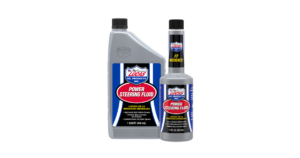 Fortunately, checking and adding power steering fluid turned out to be one of the easiest maintenance jobs I’ve ever done. In this guide, I’ll share my personal experience, explain how to put power steering fluid in your car correctly, and help you avoid expensive steering repairs.
Whether you’re a complete beginner or need a refresher, this article covers everything you need to know.
My Honest Experience
The first time I checked my power steering fluid, I expected a complicated repair. Instead, it took less than ten minutes. My steering had started to feel heavier than usual, especially when parking. After opening the hood, I discovered the fluid level was below the “MIN” line.
I purchased the manufacturer-recommended fluid, carefully filled the reservoir, and the steering immediately felt smoother after driving a few miles.
That simple maintenance task likely saved me from replacing an expensive power steering pump.
What Is Power Steering Fluid?
Power steering fluid is a specialized hydraulic fluid that helps transfer force inside your vehicle’s power steering system.
Without enough fluid, your steering system has to work much harder, leading to:
- Heavy steering
- Whining noises
- Pump damage
- Steering rack wear
- Expensive repairs
Some newer vehicles use Electric Power Steering (EPS) instead of hydraulic systems. These vehicles don’t use power steering fluid at all, so always check your owner’s manual first.
Signs Your Car Needs Power Steering Fluid
Watch for these warning signs:
- The steering wheel feels stiff
- Whining noise while turning
- Groaning sound
- Fluid leak under the front of the car
- Reservoir level below MIN mark
- Steering becomes harder at low speeds
If these symptoms continue after adding fluid, there may be a leak or a failing steering component.
Tools You’ll Need
Before starting, gather:
- Correct power steering fluid
- Clean funnel
- Microfiber towel
- Gloves
- Flashlight (optional)
- Owner’s manual
Step-by-Step: How To Put Power Steering Fluid in a Car
Step 1: Park Safely
Park on level ground.
Turn the engine off.
Allow the engine to cool slightly.
Open the hood.
Step 2: Locate the Reservoir
The power steering reservoir is usually:
- Near the engine belt
- Close to the firewall
- Marked with a steering wheel icon
- Labeled “Power Steering”
Some reservoirs are transparent with MIN and MAX markings.
Step 3: Clean Around the Cap
Before opening:
Use a clean towel to wipe dirt away.
This prevents contamination inside the steering system.
Step 4: Check the Fluid Level
Remove the cap. Depending on your vehicle:
- Use the dipstick attached to the cap
- Check the fluid through the transparent reservoir
Compare the level to:
- MIN
- MAX
Step 5: Choose the Correct Fluid
Never assume all fluids are the same. Some vehicles require:
- Power steering fluid
- Automatic Transmission Fluid (ATF)
- Synthetic hydraulic fluid
Using the wrong fluid can damage seals and pumps. Always verify your owner’s manual.
Step 6: Add the Fluid
Insert a funnel.
Pour slowly.
Stop frequently.
Check the level often.
Never overfill.
The fluid should reach the MAX mark without exceeding it.
Step 7: Replace the Cap
Tighten the cap securely.
Clean any spilled fluid immediately.
Step 8: Start the Engine
Start the vehicle. Turn the steering wheel:
- Full left
- Full right
Repeat several times.
This circulates the fluid through the system.
Step 9: Recheck the Level
Turn the engine off.
Wait a minute.
Check the reservoir again.
Top off if necessary.
Comparison Table: Hydraulic vs Electric Power Steering
| Feature | Hydraulic Power Steering | Electric Power Steering |
| Uses Fluid | Yes | No |
| Maintenance | Fluid checks required | Very little |
| Steering Feel | Traditional | Modern |
| Repair Cost | Moderate to High | High |
| Fuel Efficiency | Slightly lower | Better |
| Fluid Replacement | Required | Not applicable |
Common Mistakes to Avoid
Avoid these common errors:
Using the Wrong Fluid
This is one of the biggest mistakes.
Always follow manufacturer recommendations.
Overfilling
Too much fluid creates pressure.
It can damage seals and cause leaks.
Ignoring Leaks
Adding fluid repeatedly isn’t fixing the problem.
Find and repair the leak.
Mixing Different Fluids
Different formulations may react poorly together.
Stick with one approved type.
Leaving Dirt Inside
Even tiny contaminants can damage pumps.
Always clean around the cap first.
Why Power Steering Fluid Matters
Power steering fluid:
- Lubricates moving parts
- Reduces heat
- Prevents corrosion
- Protects seals
- Maintains steering performance
Without it, expensive components wear quickly.
How Often Should You Check It?
I recommend checking:
- Every oil change
- Every 5,000 miles
- Before long, road trips
- Whenever steering feels different
Regular inspections only take a minute.
Can You Drive With Low Power Steering Fluid?
Technically, yes. But you shouldn’t. Low fluid can quickly damage:
- Power steering pump
- Steering rack
- Hoses
- Seals
Repairs may cost hundreds or even thousands of dollars.
What Color Should Power Steering Fluid Be?
Healthy fluid is usually:
- Pink
- Red
- Light amber
Replace it if it becomes:
- Dark brown
- Black
- Milky
- Burnt-smelling
When Should You Replace the Fluid?
Most manufacturers recommend replacing power steering fluid every:
- 50,000–100,000 miles
Some vehicles don’t specify intervals.
If the fluid looks dirty, changing it is usually worthwhile.
Buyer’s Guide: Choosing the Right Power Steering Fluid
Buying the correct fluid is just as important as adding it properly. Here’s what to consider before making your purchase.
1. Check Your Owner’s Manual
This is always the first step. Different manufacturers specify different fluid types, and using the wrong one can cause leaks or premature wear.
2. Understand the Fluid Type
Some vehicles require:
- Standard power steering fluid
- Synthetic power steering fluid
- Automatic Transmission Fluid (ATF)
Never substitute one unless your vehicle manufacturer specifically approves it.
3. Choose a Trusted Brand
Reputable automotive fluid brands generally provide consistent quality and meet industry standards. Look for products that clearly state compatibility with your vehicle.
4. Look for OEM Approval
Whenever possible, choose a fluid that meets or exceeds your vehicle manufacturer’s specifications.
5. Buy the Right Quantity
For simply topping off the reservoir, one bottle is usually enough. If you’re performing a complete fluid flush, you’ll need more depending on your vehicle.
6. Consider Climate
Synthetic power steering fluids often perform better in extremely hot or cold temperatures due to their improved stability.
Maintenance Tips
Here are a few habits that can help extend the life of your steering system:
- Inspect the reservoir regularly.
- Keep the cap and surrounding area clean.
- Check for hose leaks during oil changes.
- Avoid holding the steering wheel at full lock for extended periods.
- Listen for unusual noises while turning.
- Replace dirty or contaminated fluid when necessary.
Read More: What Does A Map Sensor Do On A Car
FAQs: How To Put Power Steering Fluid In Car
1. Can I add power steering fluid myself?
Yes. It’s one of the easiest DIY vehicle maintenance tasks and usually takes less than 10 minutes.
2. Can I overfill the reservoir?
Yes. Overfilling may cause pressure buildup, leaks, and seal damage.
3. Is power steering fluid the same as transmission fluid?
Not always. Some vehicles use ATF in the power steering system, while others require dedicated power steering fluid. Always follow the owner’s manual.
4. How do I know if my car needs power steering fluid?
Signs include heavy steering, whining noises, and a low fluid level in the reservoir.
5. What happens if I use the wrong fluid?
Using the wrong fluid can damage seals, hoses, and the power steering pump, potentially leading to expensive repairs.
6. Should I check the fluid when the engine is hot or cold?
Follow your vehicle manufacturer’s instructions. Some reservoirs have separate HOT and COLD level markings.
7. How long does power steering fluid last?
Many vehicles can go 50,000–100,000 miles before needing a complete fluid replacement, though regular inspections are recommended.
8. Can low power steering fluid cause noise?
Yes. A whining or groaning sound while turning is one of the most common symptoms of low fluid.
9. What if the fluid level keeps dropping?
A consistently low fluid level usually indicates a leak. The steering system should be inspected and repaired.
10. Do electric power steering systems use fluid?
No. Electric Power Steering (EPS) systems use electric motors instead of hydraulic fluid, so there is no reservoir to fill.
Final Verdict
Adding power steering fluid is one of the simplest maintenance tasks any vehicle owner can perform. It takes only a few minutes, requires minimal tools, and can significantly improve steering performance while preventing costly repairs.
From my own experience, regularly checking the fluid level is far easier and much less expensive than replacing a worn power steering pump or steering rack. By using the correct fluid, avoiding overfilling, and addressing leaks promptly, you can keep your steering system operating smoothly for years.
If your steering remains heavy or noisy after topping off the fluid, don’t ignore it. That often indicates a leak, air in the system, or a failing pump that should be inspected by a qualified mechanic.