If you’ve ever heard a squealing or grinding sound when pressing the brake pedal, there’s a good chance your brake pads are wearing out. Brake pads are one of the most important safety components in your vehicle, yet they’re also among the most commonly replaced parts.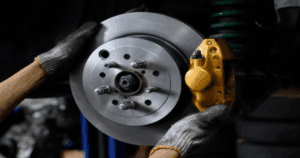 In this guide, I’ll walk you through brake pad replacement costs, what affects the price, and how to know when it’s time to change them.
Whether you drive a sedan from Toyota, a compact car from Honda, or a truck from Ford Motor Company, understanding brake pad costs can help you budget and avoid costly brake system damage.
Average Brake Pad Replacement Cost
Brake pad replacement costs can vary depending on the vehicle type, location, and quality of parts used.
Typical Cost Breakdown
| Cost Component | Average Price |
| Brake Pads (Parts) | $50 – $150 |
| Labor Cost | $80 – $200 |
| Total Cost Per Axle | $130 – $350 |
Most vehicles require replacing pads on both wheels of the same axle, so the cost typically applies to front or rear brakes separately. For both axles combined, the total cost may range from $260 to $700.
Brake Pad Replacement Cost Comparison
Here’s a quick comparison of average costs based on vehicle type.
| Vehicle Type | Parts Cost | Labor Cost | Total Per Axle |
| Economy Cars | $50 – $100 | $80 – $150 | $130 – $250 |
| Mid-Size Sedans | $80 – $150 | $100 – $180 | $180 – $330 |
| SUVs & Trucks | $100 – $200 | $120 – $220 | $220 – $420 |
| Luxury Vehicles | $200 – $350 | $150 – $300 | $350 – $650 |
Luxury vehicles from brands like BMW and Mercedes-Benz usually require premium brake pads, which increases costs.
What Are Brake Pads?
Brake pads are friction materials that press against the brake rotor when you apply the brakes. This friction slows down the wheel and ultimately stops your car.
Every time you press the brake pedal, the pads gradually wear down. Eventually, they must be replaced to maintain safe braking performance.
Types of Brake Pads
Different vehicles use different brake pad materials.
1. Organic Brake Pads
Made from fibers and resin materials.
Pros
• Quiet operation
• Affordable
Cons
• Wear out faster
2. Semi-Metallic Brake Pads
These contain metal fibers for durability.
Pros
• Good heat resistance
• Long-lasting
Cons
• Slightly noisy
3. Ceramic Brake Pads
High-performance pads commonly used in modern cars.
Pros
• Quiet braking
• Minimal brake dust
• Long lifespan
Cons
• Higher cost
Signs Your Brake Pads Need Replacement
Brake pads don’t fail suddenly. They usually show clear warning signs.
1. Squealing Noise
Most brake pads have wear indicators that make a squealing sound when they’re nearly worn out.
2. Grinding Sound
Grinding usually means the brake pads are completely worn, exposing metal.
3. Reduced Braking Performance
If the car takes longer to stop, worn pads may be the cause.
4. Brake Warning Light
Some vehicles have sensors that trigger dashboard warnings.
How Long Do Brake Pads Last?
The lifespan of brake pads depends on driving habits and road conditions. Average lifespan:
30,000 – 70,000 miles
Factors affecting lifespan include:
- Driving style
• Traffic conditions
• Vehicle weight
• Brake pad material
Drivers in cities typically replace pads more frequently than highway drivers.
Front vs Rear Brake Pad Replacement
Most cars wear front brake pads faster than rear ones. This happens because the front brakes handle about 70% of the stopping power.
| Brake Position | Wear Rate |
| Front Pads | Faster wear |
| Rear Pads | Slower wear |
Front brake pads often need replacement twice as often as rear pads.
DIY vs Professional Brake Pad Replacement
Brake pad replacement is one of the more common DIY car repairs.
DIY Replacement
Estimated cost: $50 – $150
Pros
• Saves labor cost
• Simple for experienced DIYers
Cons
• Requires proper tools
• Incorrect installation can affect safety
Professional Replacement
Estimated cost: $130 – $350 per axle
Pros
• Professional installation
• Brake system inspection included
Cons
• Labor cost increases the price
Step-by-Step Overview of Brake Pad Replacement
Although every vehicle is slightly different, the general process is similar.
- Lift the vehicle and remove the wheel
- Remove the brake caliper
- Take out the worn brake pads
- Compress the caliper piston
- Install the new brake pads
- Reassemble and test brakes
Many mechanics also inspect brake rotors and brake fluid during this service.
When Brake Rotors Also Need Replacement
Sometimes brake pads wear down enough to damage the rotors. Typical rotor replacement costs:
| Service | Average Cost |
| Brake Pads Only | $130 – $350 |
| Pads + Rotor Resurfacing | $200 – $400 |
| Pads + New Rotors | $350 – $800 |
Replacing rotors ensures smooth braking and prevents vibration.
Factors That Affect Brake Pad Replacement Cost
Several variables influence the final price.
Vehicle Type
Larger vehicles require bigger brake components, which increases costs.
Brake Pad Material
Ceramic pads cost more but last longer.
Labor Rates
Mechanic labor rates vary by region and shop reputation.
Additional Repairs
Brake fluid flush or rotor replacement can increase the total bill.
Buyer’s Guide: Choosing the Best Brake Pads
If you’re buying replacement brake pads, consider these important factors.
1. Material Type
Choose based on your driving needs:
- Organic – budget-friendly
• Semi-metallic – balanced durability
• Ceramic – premium performance
2. Driving Style
Aggressive drivers benefit from high-performance brake pads.
3. Noise Level
Ceramic pads are usually the quietest option.
4. Dust Production
Some brake pads produce large amounts of brake dust that can dirty wheels. Ceramic pads produce the least dust.
5. Brand Reputation
Reliable brake pad manufacturers often provide better durability and safety. Popular brands include:
- Bosch
• Brembo
• Akebono Brake Industry
Tips to Make Your Brake Pads Last Longer
Brake pads naturally wear out, but good driving habits can extend their lifespan.
1. Avoid Hard Braking
Sudden stops create excessive friction and heat.
2. Maintain Safe Following Distance
This reduces the need for frequent braking.
3. Reduce Vehicle Weight
Extra weight increases braking demand.
4. Use Engine Braking
Downshifting helps slow the vehicle without relying solely on brakes.
Brake Pad Maintenance Checklist
Regular brake inspections can prevent expensive repairs. Recommended checks:
- Inspect brake pads every 10,000–15,000 miles
• Check rotor condition
• Monitor brake fluid levels
• Listen for unusual noises
Routine maintenance helps catch issues early.
Read More: How Do I Check My Oil In My Car
FAQs: How Much Does Brake Pad Replacement Cost
How much does it cost to replace brake pads?
The average brake pad replacement cost ranges from $130 to $350 per axle, depending on the vehicle and parts used.
How long does brake pad replacement take?
Most brake pad replacements take 30 minutes to 1 hour.
Is it safe to drive with worn brake pads?
Driving with worn brake pads is unsafe because braking performance decreases, and rotor damage can occur.
Do I need to replace all four brake pads at once?
Not necessarily. Most mechanics replace pads on the same axle, meaning both front or both rear wheels.
Why are brake pad replacements expensive on luxury cars?
Luxury vehicles often use larger, high-performance brake systems, increasing parts and labor costs.
How often should brake pads be checked?
Brake pads should be inspected at least once a year or every 10,000–15,000 miles.
Final Thoughts
Brake pads are a small component with a huge impact on your vehicle’s safety. Fortunately, replacing them is one of the most affordable and common maintenance tasks for car owners.
Most drivers can expect to pay $130 to $350 per axle, though the cost can increase depending on vehicle type and brake pad material.
The key is to replace brake pads before they wear out completely, preventing damage to expensive components like brake rotors.
By paying attention to warning signs and maintaining your braking system regularly, you’ll keep your car safe and avoid costly repairs.