If your car suddenly starts running rough, struggles to accelerate, or triggers the dreaded check engine light, the culprit could be something surprisingly small: the fuel rail pressure sensor.
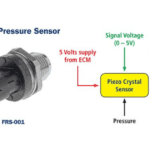
This tiny component plays a huge role in how efficiently your engine runs. The fuel rail pressure sensor monitors the pressure of fuel inside the fuel rail and sends that information to the Engine Control Unit (ECU).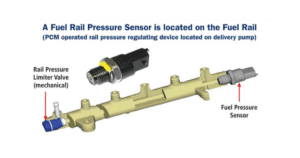 The ECU then adjusts the fuel delivery so the engine receives the perfect air-fuel mixture. When the sensor sends incorrect readings, your vehicle may experience poor fuel economy, rough idling, stalling, or difficulty starting.
Sometimes the sensor itself isn’t faulty; it simply needs a reset after a repair, battery replacement, or ECU update. Resetting the sensor can help the ECU relearn accurate pressure values and restore smooth engine performance.
In this guide, I’ll walk you through how to reset a fuel rail pressure sensor, share real-world tips from hands-on experience, and explain when resetting works and when replacement might be necessary. We’ll also cover tools, troubleshooting, and a buyer’s guide if you need a new sensor.
What Is a Fuel Rail Pressure Sensor?
The fuel rail pressure sensor measures fuel pressure in the fuel rail and sends signals to the ECU. Modern vehicles use it to maintain the correct fuel pressure for efficient combustion.
Without accurate pressure readings, the engine may:
- Run too rich (too much fuel)
- Run too lean (not enough fuel)
- Stall or misfire
- Trigger diagnostic trouble codes (DTCs)
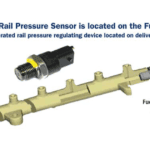
In most vehicles, the sensor is mounted on the fuel rail, near the intake manifold.
Signs Your Fuel Rail Pressure Sensor Needs Resetting
Before jumping into resetting the sensor, it’s helpful to recognize the symptoms. Common signs include:
- Check engine light appears
- Hard starting or long cranking
- Engine misfires
- Rough idle
- Reduced fuel economy
- Loss of acceleration power
- Stalling while driving
Common OBD codes related to the sensor include:
- P0190 – Fuel Rail Pressure Sensor Circuit
- P0191 – Range/Performance Problem
- P0192 – Low Input
- P0193 – High Input
Quick Overview: Reset Methods Comparison
| Reset Method | Difficulty | Tools Required | Time Needed | Best For |
| Disconnect the car battery | Easy | Wrench | 10–20 minutes | Basic ECU reset |
| OBD2 Scanner Reset | Very Easy | OBD2 scanner | 2–5 minutes | Clearing error codes |
| ECU Reset Procedure | Medium | None | 15 minutes | Relearning engine values |
| Sensor Replacement Reset | Hard | Tools + new sensor | 1–2 hours | Faulty sensors |
How To Reset Fuel Rail Pressure Sensor (Step-By-Step)
Below are the most effective methods I’ve used while troubleshooting fuel system issues.
Method 1: Disconnect the Car Battery
This is the simplest reset method.
Steps
- Turn off the ignition completely.
- Open the hood.
- Locate the car battery.
- Use a wrench to disconnect the negative battery terminal.
- Wait 10–15 minutes.
- Reconnect the terminal.
- Start the engine.
This process resets the ECU memory, allowing it to relearn fuel pressure readings.
Personal Tip
From my experience, this method works surprisingly well when the sensor error is caused by a temporary electrical glitch.
Method 2: Use an OBD2 Scanner
If you have an OBD scanner, this method is even easier.
Steps
- Plug the OBD2 scanner into the diagnostic port.
- Turn the ignition to ON.
- Read stored trouble codes.
- Clear the codes.
- Restart the engine.
Clearing the codes forces the ECU to refresh sensor readings.
Method 3: Perform an ECU Relearn Procedure
Some vehicles require a relearn process after resetting.
Steps
- Start the engine.
- Let the engine idle for 5 minutes.
- Turn on the AC and lights.
- Let the engine idle another 5 minutes.
- Drive normally for 10–15 minutes.
This allows the ECU to recalibrate fuel pressure data.
Where Is The Fuel Rail Pressure Sensor Located?
The sensor is usually mounted on the fuel rail, which distributes fuel to the injectors. Typical locations:
- On top of the engine
- Near the intake manifold
- Attached directly to the fuel rail
In diesel engines, it is usually easier to spot because the fuel rail is larger.
When Resetting Won’t Fix The Problem
Resetting only works if the sensor is functioning properly. If the sensor is damaged, replacement is required. Common causes of failure include:
- Fuel contamination
- Wiring damage
- Internal sensor failure
- High mileage wear
- ECU faults
Fuel Rail Pressure Sensor Replacement Cost
| Vehicle Type | Parts Cost | Labor Cost | Total Cost |
| Economy Cars | $50 – $120 | $80 – $150 | $130 – $270 |
| Mid-Size Cars | $80 – $180 | $100 – $200 | $180 – $380 |
| Luxury Cars | $150 – $350 | $150 – $300 | $300 – $650 |
Costs vary depending on vehicle model and location.
Tools Needed For Reset Or Replacement
You usually only need a few basic tools:
- Socket wrench set
- OBD2 scanner
- Screwdrivers
- Safety gloves
- Safety glasses
If replacing the sensor, a fuel pressure gauge may also be helpful.
Step-By-Step Sensor Replacement (If Reset Fails)
- Turn off the engine.
- Disconnect the battery.
- Relieve fuel system pressure.
- Locate the fuel rail sensor.
- Disconnect the electrical connector.
- Remove mounting bolts.
- Install the new sensor.
- Reconnect wiring.
- Reconnect the battery.
- Reset the ECU using a scanner.
Buyer’s Guide: Choosing The Best Fuel Rail Pressure Sensor
If resetting doesn’t fix the problem, you may need a new sensor. Choosing the right one is important. Here are key factors to consider.
1. OEM vs Aftermarket Sensors
OEM sensors are made by the original manufacturer and provide the best compatibility. Aftermarket sensors are cheaper, but quality varies. Recommendation:
- Choose OEM or trusted brands like Bosch, Denso, or Delphi.
2. Vehicle Compatibility
Always check:
- Make
- Model
- Engine type
- Year
Using the wrong sensor can cause incorrect pressure readings.
3. Material Quality
A good sensor should have:
- Heat-resistant housing
- Corrosion-resistant connectors
- Durable internal electronics
Cheap sensors often fail quickly.
4. Warranty
Reliable sensors often include:
- 1-year warranty
- 12,000-mile warranty
Warranty coverage indicates better build quality.
5. Customer Reviews
Look for sensors with:
- High ratings
- Verified buyer feedback
- Positive reliability reports
Avoid unknown brands with poor reviews.
Common Mistakes When Resetting The Sensor
Avoid these mistakes:
- Resetting without scanning codes
Always read the code first.
- Ignoring wiring issues
Damaged wiring can mimic sensor failure.
- Skipping fuel pressure checks
Low fuel pressure may be caused by the fuel pump, not the sensor.
- Installing cheap sensors
Low-quality parts may fail quickly.
Maintenance Tips To Prevent Sensor Problems
Proper maintenance keeps the fuel system healthy. Helpful tips:
- Replace fuel filters regularly
- Use high-quality fuel
- Avoid running the tank empty
- Inspect wiring connectors
- Perform periodic engine diagnostics
Read More: Car AC Evaporator Cleaning Cost
FAQs: How To Reset Fuel Rail Pressure Sensor
Can you reset a fuel rail pressure sensor?
Yes. The sensor itself does not have a manual reset button, but resetting the ECU or clearing codes with an OBD scanner can reset its readings.
What happens when a fuel rail pressure sensor fails?
A failing sensor may cause:
- Poor engine performance
- Engine stalling
- Hard starting
- Reduced fuel economy
- Check engine light
Is it safe to drive with a faulty fuel pressure sensor?
Driving short distances may be possible, but it is not recommended because incorrect fuel pressure can damage the engine.
How long does it take to replace a fuel rail pressure sensor?
Most replacements take 30 minutes to 2 hours, depending on vehicle accessibility.
Does disconnecting the battery reset the fuel sensors?
Yes. Disconnecting the battery resets the ECU and clears temporary sensor data.
Can a bad fuel rail pressure sensor cause no start?
Yes. If the ECU receives incorrect pressure readings, it may not deliver the correct fuel amount, preventing the engine from starting.
Final Thoughts
Resetting the fuel rail pressure sensor is often a quick and effective way to resolve engine performance issues caused by incorrect fuel pressure readings. In many cases, simply disconnecting the battery or clearing trouble codes with an OBD2 scanner allows the ECU to recalibrate and restore proper operation.
However, if the problem persists after resetting, the sensor itself may be faulty. In that situation, replacing the sensor is usually the best long-term solution.
Regular maintenance, quality fuel, and occasional diagnostics can go a long way toward keeping your fuel system running smoothly.