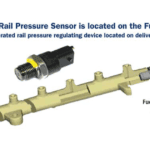
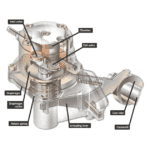
If your car has been hard to start, losing power, stalling unexpectedly, or throwing a check engine light, there’s a good chance the fuel rail pressure sensor could be involved. I first learned how important this little sensor was after dealing with a rough-idling turbocharged sedan that kept entering limp mode during highway driving.
After hours of checking fuel injectors, spark plugs, and even the fuel pump, the culprit turned out to be a failing fuel rail pressure sensor. The fuel rail pressure sensor may be small, but it plays a massive role in modern fuel-injected engines.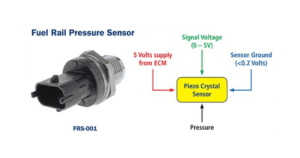 It constantly monitors fuel pressure inside the fuel rail and sends real-time information to the engine control module (ECM). Without accurate readings, the engine can’t properly regulate fuel delivery, which affects performance, efficiency, and emissions.
One of the most common questions drivers ask is: “Where is the fuel rail pressure sensor located?” The answer depends on the type of engine and fuel system your vehicle uses. In many gasoline direct injection (GDI) and diesel engines, the sensor is mounted directly on the fuel rail near the intake manifold.
In other vehicles, it may sit closer to the firewall or underneath engine covers. This complete guide explains:
- What the fuel rail pressure sensor does
- Where it’s usually located
- Signs of a bad sensor
- Differences between gasoline and diesel systems
- How to inspect and replace it
- Buying tips
- Frequently asked questions
Whether you’re troubleshooting a rough-running engine or simply learning more about your vehicle, this guide will help you understand everything you need to know.
What Is a Fuel Rail Pressure Sensor?
The fuel rail pressure sensor is an electronic component that measures fuel pressure inside the fuel rail. It communicates with the engine computer so the ECM can adjust:
- Fuel injector timing
- Air-fuel ratio
- Fuel pump operation
- Engine performance
- Emissions control
In modern vehicles, fuel pressure must remain extremely precise. Even a small pressure change can affect:
- Fuel economy
- Acceleration
- Idle smoothness
- Turbo performance
- Cold starts
The sensor continuously monitors pressure and helps maintain the correct fuel delivery under different driving conditions.
Where Is the Fuel Rail Pressure Sensor Located?
In most modern vehicles, the fuel rail pressure sensor is mounted:
- Directly on the fuel rail
- Near the intake manifold
- On top of the engine
- Close to the fuel injectors
The exact location depends on engine design.
Common Fuel Rail Pressure Sensor Locations
| Vehicle Type | Typical Sensor Location | Ease of Access |
| Gasoline Port Injection | Near the fuel rail on the intake side | Easy |
| Gasoline Direct Injection (GDI) | High-pressure fuel rail | Moderate |
| Diesel Engines | Common rail system near injectors | Moderate to Hard |
| Turbocharged Engines | Near the intake manifold or fuel pump | Moderate |
| V6/V8 Engines | Under the engine cover or the rear rail | Hard |
What Does a Fuel Rail Look Like?
The fuel rail is a metal tube or pipe that distributes fuel evenly to the injectors. In many engines, it appears as:
- A long aluminum rail
- Mounted above the injectors
- Running along the intake manifold
The pressure sensor usually screws into this rail and has:
- A small electrical connector
- A threaded mounting point
- A compact cylindrical shape
Fuel Rail Pressure Sensor Location by Engine Type
1. Inline 4-Cylinder Engines
On many 4-cylinder cars, the sensor is easy to find.
Typical location:
- Top of the engine
- Front side near the intake manifold
- Attached to the fuel rail
Examples:
- Honda Civic
- Toyota Corolla
- Hyundai Elantra
- Ford Focus
These are usually accessible after removing a plastic engine cover.
2. V6 Engines
V6 engines can be trickier because the rear bank may hide the fuel rail. Typical locations:
- Rear side of the engine
- Beneath the intake plenum
- Close to the firewall
Some vehicles require:
- Intake removal
- Special tools
- Extended sockets
3. V8 Engines
V8 engines often have dual fuel rails. Sensor locations may include:
- Driver-side fuel rail
- Passenger-side rail
- Center-mounted high-pressure rail
Access varies greatly between manufacturers.
4. Diesel Engines
Diesel engines use extremely high-pressure common rail systems. The sensor is usually:
- Mounted directly on the common rail
- Near injector lines
- Connected to the ECM harness
Diesel systems operate at much higher pressure than gasoline systems, making safety extremely important during repairs.
Symptoms of a Bad Fuel Rail Pressure Sensor
A failing sensor can create multiple engine problems.
Common Symptoms
1. Check Engine Light
This is usually the first warning sign. Common trouble codes include:
- P0190
- P0191
- P0192
- P0193
2. Hard Starting
Incorrect pressure readings can make the engine:
- Crank longer
- Struggle during cold starts
- Fail to start entirely
3. Poor Fuel Economy
Bad sensor readings may cause:
- Rich fuel mixtures
- Excessive fuel consumption
- Black smoke from the exhaust
4. Engine Stalling
An unstable fuel signal can interrupt injector operation. Symptoms include:
- Random stalling
- Hesitation
- Loss of throttle response
5. Reduced Power
Many vehicles enter limp mode when fuel pressure readings become unreliable. You may notice:
- Weak acceleration
- Turbo boost loss
- RPM limitations
Causes of Fuel Rail Pressure Sensor Failure
Several factors can damage the sensor over time.
Common Causes
| Cause | Effect |
| Heat exposure | Internal electronic damage |
| Fuel contamination | Sensor blockage |
| Wiring corrosion | Signal interruption |
| Vibration | Connector wear |
| High mileage | Normal sensor aging |
| Moisture intrusion | Electrical short circuits |
Can You Drive With a Bad Fuel Rail Pressure Sensor?
Technically, yes, but it’s risky. Driving with a faulty sensor can cause:
- Engine stalling
- Poor performance
- Increased emissions
- Fuel pump stress
- Catalytic converter damage
In severe cases, the engine may fail to start completely.
How to Find the Fuel Rail Pressure Sensor
Step-by-Step Guide
Step 1: Open the Hood
Allow the engine to cool fully.
Step 2: Remove Plastic Engine Cover
Many modern vehicles hide the engine under decorative covers.
Step 3: Locate the Fuel Rail
Look for:
- Long metal rail
- Fuel injector connections
- High-pressure fuel lines
Step 4: Identify the Sensor
The sensor usually has:
- Electrical connector
- Small cylindrical body
- Threaded mount into the rail
Is the Fuel Rail Pressure Sensor Easy to Replace?
In many vehicles, yes. However, access can range from:
- 10-minute DIY replacement
to - Multi-hour professional repair
Easy Access Vehicles
Usually include:
- Inline 4-cylinder engines
- Naturally aspirated engines
- Older fuel injection systems
Difficult Access Vehicles
Often include:
- Turbocharged engines
- V6 engines
- Diesel trucks
- Luxury vehicles
How to Replace a Fuel Rail Pressure Sensor
Important Safety Warning
Fuel systems may remain pressurized even after the engine is off. Always:
- Disconnect battery
- Relieve fuel pressure
- Wear safety glasses
- Avoid sparks or flames
Basic Replacement Steps
- Disconnect battery
- Relieve fuel pressure
- Remove engine cover
- Disconnect the electrical connector
- Unscrew the old sensor
- Install a new sensor
- Reconnect wiring
- Start the engine and inspect for leaks
Tools Needed for Replacement
Basic Tools
| Tool | Purpose |
| Socket set | Remove mounting hardware |
| Fuel line tool | Some fuel systems |
| Torque wrench | Proper installation |
| Safety gloves | Hand protection |
| OBD2 scanner | Clear engine codes |
OEM vs Aftermarket Fuel Rail Pressure Sensors
Choosing the right replacement matters.
OEM Sensors
Advantages:
- Exact fit
- Factory calibration
- Reliable durability
Disadvantages:
- Higher cost
Aftermarket Sensors
Advantages:
- Lower price
- Widely available
Disadvantages:
- Quality varies
- Calibration inconsistencies possible
Buyer’s Guide: Choosing the Best Fuel Rail Pressure Sensor
Buying the wrong sensor can create serious drivability problems. Here’s what to consider before purchasing.
1. Vehicle Compatibility
Always verify:
- Year
- Make
- Model
- Engine size
Even small engine variations may use different sensors.
2. OEM Part Number Matching
Matching the original part number is the safest option. This prevents:
- Incorrect pressure readings
- Wiring mismatches
- Installation issues
3. Build Quality
Look for:
- Durable metal housing
- High-quality electrical terminals
- Heat-resistant seals
4. Brand Reputation
Reliable brands include:
- Bosch
- Denso
- Delphi
- Motorcraft
- ACDelco
5. Warranty Coverage
A good warranty often indicates higher product confidence.
Aim for:
- At least 1-year warranty
- Manufacturer support
Fuel Rail Pressure Sensor vs Fuel Pressure Regulator
These two components are commonly confused.
Main Difference
| Component | Function |
| Fuel Rail Pressure Sensor | Measures fuel pressure |
| Fuel Pressure Regulator | Controls fuel pressure |
Some modern vehicles combine these functions electronically.
Average Replacement Cost
Costs vary by vehicle and labor complexity.
Estimated Cost Range
| Repair Type | Average Cost |
| DIY Sensor Replacement | $50–$200 |
| Professional Labor | $100–$400 |
| Luxury Vehicle Repair | $500+ |
Turbocharged and diesel engines usually cost more.
Can a Bad Sensor Damage the Fuel Pump?
Yes, potentially. Incorrect readings can force the fuel pump to:
- Work harder
- Overcompensate pressure
- Run continuously
Long-term stress may shorten pump lifespan.
Fuel Rail Pressure Sensor and Check Engine Codes
Common codes include:
| Code | Meaning |
| P0190 | Fuel rail pressure sensor circuit malfunction |
| P0191 | Range/performance issue |
| P0192 | Low input |
| P0193 | High input |
An OBD2 scanner helps diagnose these issues quickly.
DIY Inspection Tips
Before replacing the sensor, inspect:
- Wiring harness
- Connector corrosion
- Fuel leaks
- Vacuum leaks
- Damaged pins
Sometimes the sensor itself isn’t the actual problem.
Does Cleaning the Sensor Help?
Usually no.
Most fuel rail pressure sensors are sealed electronic units.
Cleaning rarely fixes:
- Internal electrical failure
- Calibration drift
- Signal issues
Replacement is typically the proper solution.
My Personal Experience With Fuel Rail Pressure Sensor Failure
I once dealt with a turbocharged vehicle that randomly lost power during highway acceleration. At first, I suspected:
- Spark plugs
- Ignition coils
- Turbo issues
But after scanning the car, I found a P0191 fuel pressure code.
The engine would:
- Hesitate under load
- Idle roughly
- Occasionally, stall at traffic lights
Replacing the sensor immediately restored:
- Smooth acceleration
- Stable idle
- Proper turbo response
What surprised me most was how such a small component could affect nearly every aspect of engine performance.
Preventing Fuel Rail Pressure Sensor Problems
Helpful Maintenance Tips
Use Quality Fuel
Poor-quality fuel can contaminate fuel systems.
Replace Fuel Filters
Clogged filters create abnormal pressure conditions.
Fix Fuel Leaks Quickly
Leaks may damage nearby electrical components.
Avoid Water Intrusion
Engine bay moisture can corrode connectors.
Scan Check Engine Lights Early
Early diagnosis prevents larger fuel system damage.
Modern Vehicles Depend Heavily on Fuel Sensors
Today’s engines rely on dozens of sensors working together. The fuel rail pressure sensor plays a critical role in:
- Fuel efficiency
- Emissions control
- Turbo performance
- Engine safety
As engines become more advanced, sensor accuracy becomes even more important.
Read More: How Do You Check The Oil Level In Your Car
FAQs: Location Where Is The Fuel Rail Pressure Sensor Located
What does a fuel rail pressure sensor do?
It measures fuel pressure inside the fuel rail and sends data to the engine control module for proper fuel delivery adjustments.
Where is the fuel rail pressure sensor usually located?
It’s commonly mounted directly on the fuel rail near the intake manifold or fuel injectors.
Can a bad fuel rail pressure sensor cause hard starting?
Yes. Incorrect fuel pressure readings can make the engine difficult to start.
Is it safe to drive with a faulty fuel rail pressure sensor?
Short-term driving may be possible, but it can lead to stalling, poor performance, and fuel system damage.
How much does a fuel rail pressure sensor cost?
Most sensors cost between $50 and $200, depending on vehicle type and brand.
Can I replace the fuel rail pressure sensor myself?
In many vehicles, yes. Basic mechanical skills and proper safety precautions are required.
Will a bad sensor trigger a check engine light?
Almost always. Common codes include P0190 through P0193.
Does the fuel rail pressure sensor affect fuel economy?
Yes. Incorrect readings can cause rich fuel mixtures and increased fuel consumption.
What tools are needed to replace the sensor?
Usually:
- Socket set
- Torque wrench
- OBD2 scanner
- Safety equipment
Can a faulty sensor cause engine stalling?
Yes. Unstable fuel pressure readings can interrupt proper injector operation.
Conclusion
So, where is the fuel rail pressure sensor located? In most vehicles, it’s mounted directly on the fuel rail near the intake manifold or injectors. While the exact position varies by engine design, the sensor is usually connected to the metal fuel rail and features a small electrical connector.
Although small, this sensor has a major impact on:
- Engine performance
- Fuel economy
- Starting reliability
- Emissions
- Overall drivability
If your vehicle shows symptoms like:
- Hard starting
- Rough idle
- Stalling
- Reduced power
- Check engine lights
The fuel rail pressure sensor is definitely worth inspecting. Fortunately, many sensors are relatively affordable and straightforward to replace, especially on common 4-cylinder engines.
Understanding where the sensor is located and how it works can save you time, money, and frustration when diagnosing fuel system problems.