If you have ever searched for engine problems and found the term “EGR valve,” you are not alone. Many drivers hear about this small component only when something goes wrong rough idling, poor acceleration, or a mysterious check engine light.
I remember the first time I heard about an EGR valve. A mechanic pointed toward a small component buried in the engine bay and casually said, “Your EGR is sticking.” At the time, I had absolutely no idea what that meant.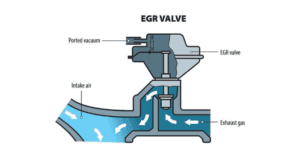 The truth is, the EGR valve performs a surprisingly important job. Without it, modern engines would produce more emissions, run hotter, and sometimes become less efficient.
This guide explains exactly what an EGR valve does, how it works, signs of failure, costs, maintenance tips, and everything else drivers should know.
What Is An EGR Valve?
EGR stands for:
Exhaust Gas Recirculation
The EGR valve is responsible for redirecting a portion of exhaust gases back into the engine’s intake system.
At first, this sounds strange.
Why would an engine send exhaust gases back into itself?
The answer is simple:
To reduce harmful emissions and control combustion temperatures.
By recycling small amounts of exhaust gas, the engine burns fuel at lower temperatures, reducing the formation of harmful nitrogen oxides (NOx).
How Does An EGR Valve Work?
The EGR valve acts like a controlled gateway. Here is the basic process:
Step 1: Engine Produces Exhaust
Combustion creates:
- Carbon dioxide
- Water vapor
- Nitrogen oxides
- Heat
Step 2: EGR Valve Opens
Under certain conditions:
- Moderate acceleration
- Cruising speeds
- Warm engine temperatures
The valve opens.
Step 3: Exhaust Re-enters Intake
A measured amount of exhaust gas mixes with incoming air.
Step 4: Combustion Temperature Drops
Lower temperatures mean:
- Reduced NOx emissions
- Cleaner exhaust
- Better emissions compliance
Why Do Cars Need EGR Valves?
Without EGR systems:
- Engines run hotter
- NOx emissions increase
- Fuel efficiency may suffer
- Engine knocking becomes more likely
Modern emissions standards depend heavily on EGR systems.
Types of EGR Valves
Different vehicles use different designs.
| EGR Valve Type | How It Works | Advantages | Disadvantages |
| Vacuum-Controlled | Uses vacuum pressure | Simple and cheap | Less precise |
| Electronic EGR | Computer controlled | Better efficiency | More expensive |
| Digital EGR | Multiple openings | Highly accurate | Complex repairs |
| Cooler EGR Systems | Uses cooling circuits | Improved emissions | Higher complexity |
Signs of a Bad EGR Valve
When an EGR valve fails, symptoms can appear slowly or suddenly.
1. Check Engine Light
One of the most common indicators. Possible codes include:
- P0400
- P0401
- P0402
2. Rough Idle
A stuck-open valve can create:
- Shaking
- Vibrations
- Unstable idle speed
3. Reduced Fuel Economy
Improper airflow causes inefficient combustion.
4. Poor Acceleration
Drivers often notice:
- Hesitation
- Sluggish response
- Reduced power
5. Increased Emissions
A failed valve can increase pollution significantly.
6. Engine Knocking
Higher combustion temperatures may create knocking noises.
Symptoms Comparison Table
| Symptom | Likely Cause | Severity |
| Rough idle | Valve stuck open | Medium |
| Engine knocking | Valve stuck closed | High |
| Check engine light | Sensor malfunction | Medium |
| Poor fuel economy | Restricted airflow | Medium |
| Stalling | Major EGR malfunction | High |
What Causes EGR Valves To Fail?
The biggest enemy of EGR valves is:
Carbon buildup
Over time:
- Exhaust deposits accumulate
- Passages become blocked
- Moving parts stick
Other causes include:
- Electrical failures
- Broken sensors
- Vacuum leaks
- Moisture contamination
Can You Drive With A Bad EGR Valve?
Technically:
Yes
Should you?
Usually no
Driving too long with a faulty valve may cause:
- Engine damage
- Failed emissions tests
- Reduced efficiency
- Catalytic converter problems
EGR Valve Cleaning: Does It Work?
Sometimes cleaning works surprisingly well. Cleaning may help if:
- Carbon buildup is the issue
- Valve movement is restricted
- Electronics remain functional
Cleaning may NOT help if:
- Internal electronics failed
- Springs broke
- Sensors malfunctioned
How To Clean An EGR Valve
Tools Needed
- Socket set
- Cleaner spray
- Brush
- Gloves
Basic Steps
Step 1
Disconnect the battery.
Step 2
Remove valve.
Step 3
Inspect for carbon buildup.
Step 4
Apply cleaner.
Step 5
Scrub deposits.
Step 6
Reinstall. Always verify the gasket condition before reinstalling.
EGR Valve Replacement Costs
Costs vary dramatically.
| Vehicle Type | Parts Cost | Labor Cost | Total |
| Economy Cars | $50–$200 | $80–$200 | $130–$400 |
| Mid-Size Cars | $100–$300 | $100–$250 | $200–$550 |
| Luxury Vehicles | $200–$700 | $150–$500 | $350–$1,200 |
Personal Experience: Is Replacing an EGR Valve Worth It?
In my experience, EGR issues often seem terrifying at first because warning lights appear and engines behave strangely.
However:
Many EGR repairs are relatively manageable compared to major engine work. A few hundred dollars on an EGR repair is often far cheaper than ignoring the issue and creating additional damage.
Can You Delete An EGR Valve?
Some owners consider deleting EGR systems. Potential downsides:
- Illegal in many places
- Increased emissions
- Possible engine problems
- Failed inspections
For most drivers:
Keeping the system functioning properly is usually the better choice.
Buyer’s Guide: Choosing An EGR Valve
If replacement becomes necessary, consider these factors.
OEM vs Aftermarket
OEM
Pros:
- Exact fit
- Better reliability
Cons:
- Higher price
Aftermarket
Pros:
- Lower cost
Cons:
- Variable quality
Material Quality
Look for:
- Corrosion resistance
- Durable housings
- High-quality seals
Warranty
A longer warranty often indicates higher confidence from manufacturers.
Compatibility
Always verify:
- Engine size
- Model year
- Trim level
Reviews Matter
Look for:
- Repeat failure complaints
- Fitment issues
- Installation difficulties
How Long Does An EGR Valve Last?
Average lifespan:
50,000–150,000 miles
Many factors affect longevity:
- Driving habits
- Fuel quality
- Maintenance
- Engine design
How To Extend EGR Valve Life
Simple habits help.
Drive Longer Distances
Short trips increase carbon buildup.
Use Quality Fuel
Cleaner fuel often creates fewer deposits.
Perform Maintenance
Ignoring tune-ups increases stress on emissions systems.
Address Warning Lights Quickly
Early repairs prevent larger problems.
Read More: What Is An AC Belt In A Car
FAQs: What Does A EGR Valve Do
What does an EGR valve actually do?
It redirects a portion of exhaust gas back into the engine to reduce combustion temperatures and lower emissions.
Does an EGR valve affect performance?
Yes. A faulty EGR valve can reduce power, cause rough running, and hurt fuel economy.
Can a bad EGR valve cause stalling?
Yes. Especially if stuck open.
Is cleaning cheaper than replacement?
Usually yes. But cleaning only works when carbon buildup is the primary problem.
How long does the replacement take?
Typically:
1–3 hours
Depending on vehicle design.
Can EGR problems damage an engine?
Long-term neglect can contribute to:
- Overheating
- Increased deposits
- Catalytic converter damage
Does every car have an EGR valve?
No. Some newer engines use alternative emissions technologies.
Final Thoughts
The EGR valve is one of those components most drivers never think about until problems appear. Despite being relatively small, it plays a major role in:
- Reducing emissions
- Controlling temperatures
- Supporting efficiency
- Maintaining smooth operation
Understanding how it works makes diagnosing symptoms much easier.
And if your mechanic ever says:
“Your EGR valve is failing.”
You now know exactly what they mean.