If you’ve spent any time shopping for motorcycle tires, especially if you ride on a budget, then you’ve probably come across Shinko tires. They pop up everywhere: online retailers, local shops, dual-sport forums, cruiser groups, and even track-day conversations.
And almost always, the same question follows: Who makes Shinko tir, s, and are they actually any good? That exact question is what led me down the Shinko rabbit hole in the first place. I’m not sponsored, not affiliated, and not here to hype anything up.
I’m just a regular U.S. rider who’s gone through more tires than I’d like to admit commuting, touring, weekend canyon runs, and the occasional “let’s see where this dirt road goes” adventure.
This article is my honest, real-world experience with Shinko tires, combined with practical research, ownership insights, comparisons, and a buyer’s guide to help you decide if they’re right for your bike and riding style.
We’ll cover:
- Who actually makes Shinko tires
- What I genuinely like about them
- Where they fall short
- Performance, design, and build quality
- How they compare to bigger-name brands
- Alternative options worth considering
- A detailed buyer’s guide
- FAQs from real riders
No fluff. No corporate marketing speak. Just straight talk from one rider to another.

Who Makes Shinko Tires?
Let’s clear this up first because there’s a lot of confusion online. Shinko Group, a South Korean company, manufactures Shinko tires. However, the story doesn’t stop there. Originally, Shinko purchased tire mold technology from Yokohama back in the late 1990s.
That means many early Shinko designs were based on proven Japanese tire molds. Over time, Shinko expanded and modernized production, refining compounds, tread patterns, and construction methods.
Today:
- Manufacturing: Primarily South Korea (some production also outsourced depending on model)
- Brand Positioning: Budget-friendly, performance-capable alternatives
- Market Focus: Motorcycles, dual-sport, adventure, cruiser, dirt, and scooter tires
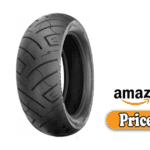
Shinko is not a fly-by-night brand. They’ve been around for decades and sell millions of tires worldwide, especially in the U.S.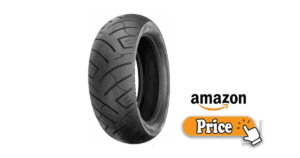 👉🏿👉🏻 Check the Latest Price and Offer at Amazon 👈🏻👈🏿
My Personal Experience With Shinko Tires
I didn’t buy Shinko tires because I was trying to be cheap. I bought them because:
- I was riding a lot
- Tire costs were adding up fast
- I wanted something reliable without paying premium-brand prices every time
My first set was a Shinko 705 on an adventure-style bike. I was really skeptical. Low price usually sets off alarm bells in the motorcycle world.
But after mounting them, breaking them in, and putting real miles on them, my opinion changed. Over the years, I’ve personally used:
- Shinko 70ADV/lightght off-road)
- Shinko 777 (cruiser)
- Shinko 009 Raven (sport-touring)
- Shinko SR244 (dual-sport)
Each had strengths. Each had weaknesses. None were outright bad. And that’s the key takeaway: Shinko tires are honest tires.
What I Like About Shinko Tires
Let’s start with the positives because there are plenty.
1. Price That Actually Makes Sense
There’s no way around it: Shinko tires are significantly cheaper than most major brands. In many cases:
- 30–50% less than Michelin
- 25–40% less than Bridgestone or Dunlop
- Often cheaper than Pirelli equivalents
For riders who:
- Commute daily
- Ride multiple bikes
- Burn through rear tires quickly
- Or don’t want $500 tied up in rubber
That matters a lot.
2. Predictable, Confidence-Inspiring Grip
Are they race tires? No. Are they sketchy? Also no. Shinko tires tend to offer predictable grip, which is honestly more important than ultimate grip for most riders.
What I noticed:
- Progressive lean-in
- No sudden loss of traction
- Stable cornering at legal (and slightly enthusiastic) speeds
- Good wet-road confidence for the price
Especially for street and touring use, they do exactly what you expect them to do.
3. Easy Mounting and Balancing
This might sound minor, but if you:
- Mount your own tires
- Or pay for mounting
Shinko tires are generally:
- Easy to seat
- Require minimal wheel weights
- Consistent in manufacturing balance
That’s not always true with budget brands.
What Could Be Better
Now for the honest part, because no tire is perfect.
1. Tread Life Is Average, Not Amazing
Shinko tires usually:
- Wear faster than premium touring tires
- Last few miles under aggressive riding
- Show flat-spotting sooner on heavy bikes
That said, when you factor in price:
- Cost per mile is often still competitive
- Especially if you replace tires yourself
You’re trading longevity for affordability, and that’s a fair trade for many riders.
2. Not Designed for Extreme Riding
If you:
- Track your bike hard
- Ride aggressively in cold weather
- Push the edge grip constantly
Shinko may not be your best option. They’re built for real-world riding, not podium finishes.
3. Brand Perception
Let’s be real,l some riders look down on Shinko because they’re “cheap.” That stigma exists. But after thousands of miles without drama, I stopped caring what the logo said.
Design and Tread Patterns
Shinko doesn’t overcomplicate things. Their tread designs are:
- Functional
- Purpose-driven
- Easy to read for wear
Street and Sport-Touring Designs
Models like the 009 Raven use:
- Continuous center ribs for stability
- Angled grooves for water evacuation
- Smooth shoulder transitions
Adventure and Dual-Sport Designs
Models like the 705 and SR244 balance:
- On-road stability
- Light off-road traction
- Long straight-line wear
No gimmicks. Just proven patterns.
Performance: Real-World Riding Impressions
Dry Roads
Solid. Predictable. No surprises.
Wet Roads
Better than expected. Not class-leading, but trustworthy if ridden responsibly.
Highway Speeds
Stable up to triple digits (on closed courses, of course).
Gravel and Light Dirt (ADV models)
Capable but know their limits.
Shinko Tires vs Major Brands (Comparison Table)
| Feature | Shinko | Michelin | Bridgestone | Dunlop |
| Price | ⭐⭐⭐⭐⭐ | ⭐⭐ | ⭐⭐ | ⭐⭐⭐ |
| Grip | ⭐⭐⭐⭐ | ⭐⭐⭐⭐⭐ | ⭐⭐⭐⭐ | ⭐⭐⭐⭐ |
| Tread Life | ⭐⭐⭐ | ⭐⭐⭐⭐⭐ | ⭐⭐⭐⭐ | ⭐⭐⭐⭐ |
| Wet Performance | ⭐⭐⭐⭐ | ⭐⭐⭐⭐⭐ | ⭐⭐⭐⭐ | ⭐⭐⭐⭐ |
| Value | ⭐⭐⭐⭐⭐ | ⭐⭐⭐ | ⭐⭐⭐ | ⭐⭐⭐ |
Build Quality
This is where Shinko has quietly improved over the years.
- Uniform sidewalls
- Consistent rubber compounds
- No unusual deformities
- DOT compliant for U.S. roads
I’ve never experienced:
- Sidewall bubbles
- Delamination
- Sudden failure
And that matters more than brand prestige.
Buyer’s Guide: Should You Buy Shinko Tires?
Shinko Is a Great Choice If You:
- Ride daily or commute
- Want solid performance on a budget
- Own multiple bikes
- Do your own maintenance
- Value predictable handling over bragging rights
You May Want Another Brand If You:
- Track your bike frequently
- Want maximum mileage above all else
- Ride aggressively year-round in cold climates
- Prefer a premium brand backing
Alternative Options to Shinko Tires
If Shinko isn’t quite right, consider:
- Dunlop RoadSmart (more mileage)
- Michelin Pilot series (top-tier grip)
- Bridgestone Battlax (balanced performance)
- Continental ContiMotion (another value option)
Each comes at a higher cost.
Read More: How Good Are Mickey Thompson Tires | My Honest Experience
FAQs: Who Makes Shinko Tires | My Honest Experience
Are Shinko tires safe?
Yes. DOT-approved and widely used in the U.S.
Why are Shinko tires so cheap?
Lower marketing costs, efficient manufacturing, and value-focused positioning.
Do professionals use Shinko tires?
Some club racers and endurance riders do, especially in budget classes.
Where are Shinko tires made? Primarily South Korea.
Final Thought
Shinko tires won’t win beauty contests or track championships, but they will get you where you’re going safely, affordably, and reliably. For many riders, that’s exactly what matters most.