I still remember the first time my car’s temperature gauge crept into the red zone. At first, I thought it was just a sensor glitch, but within minutes, steam started rising from under the hood.
The culprit? A cooling fan that had quietly stopped working. If your car cooling fan is not working, you’re dealing with one of those problems that can go from “minor annoyance” to “engine disaster” surprisingly quickly.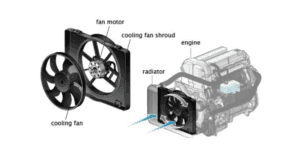 The cooling fan plays a critical role in keeping your engine temperature under control, especially in traffic or hot weather. In this guide, I’ll walk you through everything from symptoms and causes to repair options and costs based on real-world experience and practical knowledge.
Whether you’re troubleshooting yourself or planning a repair, this article will help you make smarter decisions.
What Does a Car Cooling Fan Do?
The cooling fan is part of your vehicle’s cooling system. It pulls air through the radiator to cool the engine coolant, especially when:
- You’re idling
- Driving at low speeds
- Stuck in traffic
- Running the AC
Without it, your engine relies only on natural airflow, which simply isn’t enough in many situations.
Common Symptoms of a Cooling Fan Not Working
Here are the most obvious signs I’ve personally noticed (and you should watch for):
- Engine overheating, especially in traffic
- Temperature drops when driving fast, but rises when stopped
- AC blowing warm air at idle
- Loud whining or grinding noises from the fan
- Cooling fan not turning on at all
If you notice even one of these, don’t ignore it cooling system issues escalate quickly.
Top Causes of a Car Cooling Fan Not Working
Let’s break down the most common culprits:
1. Blown Fuse
One of the simplest fixes. A blown fuse cuts power to the fan.
2. Faulty Relay
The relay controls when the fan turns on. If it fails, the fan won’t activate.
3. Bad Temperature Sensor
If the sensor doesn’t detect heat correctly, the fan won’t engage.
4. Damaged Fan Motor
This is a common issue in older vehicles. The motor simply wears out.
5. Wiring Issues
Corroded or loose wiring can interrupt power flow.
6. Faulty Thermostat
A stuck thermostat can confuse the system and prevent proper fan operation.
Quick Comparison Table: Causes vs Fixes vs Cost
| Problem | Difficulty Level | Estimated Cost (USD) | DIY Friendly? | Notes |
| Blown Fuse | Easy | $10–$20 | Yes | Quick fix |
| Bad Relay | Easy | $20–$50 | Yes | Plug-and-play |
| Temp Sensor Failure | Medium | $50–$150 | Yes/Maybe | Needs basic tools |
| Fan Motor Replacement | Medium/Hard | $150–$400 | Maybe | Depends on access |
| Wiring Issues | Medium | $100–$300 | No | Needs diagnosis |
| Thermostat Replacement | Medium | $100–$250 | Yes/Maybe | Common issue |
How I Diagnosed My Cooling Fan Problem (Real Experience)
When my fan stopped working, I didn’t jump straight to replacing parts. Instead, I followed a simple process:
- Checked the fuse box → blown fuse found
- Replaced it → fan worked briefly
- Checked relay → faulty relay confirmed
- Replaced relay → problem solved
Lesson learned: always start with the simplest components before spending big.
Step-by-Step: How to Troubleshoot a Cooling Fan
If you want to check things yourself, here’s a beginner-friendly approach:
Step 1: Check the Fuse
Locate your fuse box and inspect the cooling fan fuse.
Step 2: Inspect the Relay
Swap it with a similar relay (like a horn relay) to test.
Step 3: Test the Fan Motor
Connect the fan directly to the battery. If it doesn’t spin → motor is bad.
Step 4: Check Coolant Temperature Sensor
Use a scanner or multimeter if available.
Step 5: Inspect Wiring
Look for burnt, loose, or corroded wires.
Can You Drive With a Broken Cooling Fan?
Short answer: You shouldn’t. But realistically, you can drive short distances if:
- You keep moving (airflow helps cooling)
- Avoid traffic
- Monitor temperature constantly
Still, I strongly recommend fixing it ASAP. Overheating can lead to:
- Blown head gasket
- Warped cylinder head
- Engine failure
Repair vs Replace: What Should You Do?
Here’s how I decide:
- Minor issues (fuse, relay): Always repair
- Motor failure: Replace the fan assembly
- Electrical issues: Professional diagnosis is worth it
Sometimes replacing the whole fan assembly is cheaper than chasing multiple small issues.
Buyer’s Guide: Choosing the Right Cooling Fan Replacement
If you’re buying a replacement, here’s what to look for:
1. OEM vs Aftermarket
- OEM: Better fit, higher cost
- Aftermarket: Cheaper, varies in quality
2. Compatibility
Always match your car’s make, model, and year.
3. Build Quality
Look for durable plastic shrouds and strong motors.
4. Warranty
A good fan should come with at least a 1-year warranty.
5. Noise Level
Some cheaper fans are noticeably louder.
Pro Tips From Experience
- Always check the relay before replacing the fan
- Keep spare fuses in your car
- Clean your radiator regularly
- Don’t ignore early overheating signs
How Much Does It Cost to Fix a Cooling Fan?
Here’s a realistic breakdown (USA-based):
- DIY fix: $10–$150
- Professional repair: $150–$500
- Full replacement: $300–$700
Labor is usually the biggest cost factor.
Preventing Cooling Fan Problems
Prevention is simple but often overlooked:
- Regular coolant checks
- Inspect electrical connections
- Keep the radiator clean
- Replace worn components early
Read More: What Does A Coil Do In A Car
FAQs: Car Cooling Fan Not Working
1. Why is my cooling fan not turning on?
It could be a blown fuse, a bad relay, a faulty sensor, or motor failure.
2. Can a bad thermostat stop the fan?
Yes, indirectly, it can affect temperature readings and system behavior.
3. How do I know if my fan motor is bad?
If it doesn’t spin when directly connected to the battery, it’s faulty.
4. Does the AC use the cooling fan?
Yes, most cars activate the fan when the AC is on.
5. Is it expensive to fix?
Not always are simple fixes under $50.
6. Can overheating damage my engine?
Absolutely. It can cause severe and costly damage.
7. Should I replace or repair?
Start with repair. Replace only if necessary.
8. How long does a cooling fan last?
Typically 8–12 years, depending on usage.
Final Thoughts:
A car cooling fan not working might seem like a small issue, but it’s one of those problems that can escalate fast. From my experience, catching it early can save you hundreds (or even thousands) in repairs.
If your engine temperature starts rising or your fan seems silent when it shouldn’t be, take action immediately. Start simple, diagnose smart, and don’t hesitate to get professional help when needed.