If I had a dollar for every time I thought my engine oil was “probably fine,” I could afford a lot more oil changes by now. I’ll be honest: measuring engine oil level sounds boring…
until the day your dashboard lights up like a Christmas tree or your engine starts sounding like it’s chewing gravel. That’s when oil suddenly becomes very interesting.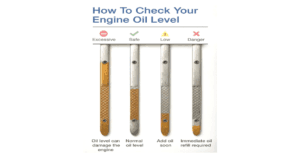 This guide is written from a real U.S. car owner’s perspective, not a mechanic talking down to you, not a textbook lecture, and definitely not one of those “just check the dipstick” one-liners that skip all the important details.
By the end of this article, you’ll know:
- Exactly how to measure your engine oil level correctly
- When to check it (hot vs cold engine)
- How modern cars differ from older ones
- The mistakes I’ve personally made (so you don’t repeat them)
- Why oil level matters way more than most people think
And yes, this is a full, deep dive, written in plain English, for everyday U.S. drivers.
Why Measuring Engine Oil Level Actually Matters (More Than You Think)
Let me start with something most of us don’t hear enough:
Low engine oil doesn’t just cause damage; it causes expensive damage. Engine oil does four critical things:
- Lubricates moving parts
- Cool internal components
- Cleans sludge and debris
- Protects against corrosion
When the oil level drops:
- Metal parts start rubbing metal
- Engine temperature spikes
- Wear accelerates fast
- Oil pressure drops (bad news)
I learned this the hard way on an older Honda Accord, with no oil light. No warning. Just a faint ticking sound that I ignored… until I couldn’t. Checking oil takes under 5 minutes and can literally save you thousands of dollars.
How Often Should You Check Your Engine Oil Level?
Here’s the real-world answer, not the “once every oil change” myth.
For Most U.S. Drivers:
- Once a month (minimum)
- Before long road trips
- After noticing engine noise
- If your car burns oil (common on higher-mileage engines)
Older or High-Mileage Cars:
- Every 2–3 weeks
- Some engines naturally consume oil even when healthy
Modern cars are better, yes,s but they’re not immune.
What You Need Before Checking Engine Oil (It’s Simple)
You don’t need a garage or fancy tools. Just:
- A flat surface (this part is huge)
- A clean rag or paper towel
- 3–5 minutes of your time
- Decent lighting (phone flashlight works)
That’s it.
Step-by-Step: How To Measure Engine Oil Level With a Dipstick
This is the classic method still used in millions of cars across the U.S.
Step 1: Park on Level Ground
This isn’t optional. If your car is tilted:
- Oil pools to one side
- Reading becomes inaccurate
- You may think you’re low when you’re not (or worse)
Driveways with slopes? Avoid them.
Step 2: Turn the Engine Off (Timing Matters)
Here’s where people get confused.
Best practice:
- Turn the engine off
- Wait 5–10 minutes
Why?
- Oil needs time to drain back into the oil pan
- Checking immediately after shutdown can give a false low reading
Some owners’ manuals say to check the cold. Others say warm. Waiting 5–10 minutes is the safest universal rule.
Step 3: Open the Hood and Find the Dipstick
Look for:
- Bright yellow or orange handle
- Oil can icon
If you’re unsure:
- Check your owner’s manual
- Or Google: “[Your car model] oil dipstick location”
Step 4: Pull the dipstick out and Wipe It Clean
First pull doesn’t count. Oil splashes around while driving, so:
- Wipe the dipstick completely clean
- This resets the reading
Step 5: Reinsert the Dipstick Fully
Push it all the way in. Not halfway. Not loosely. This step gets rushed way too often.
Step 6: Pull It Out Again and Read the Oil Level
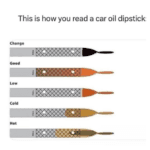
Now this is the moment of truth. Most dipsticks have:
- Two dots
- Two lines
- Or a cross-hatched area
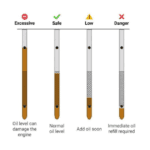
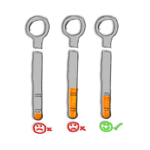
What the Marks Mean:
- Top mark = FULL
- Bottom mark = LOW
- Anywhere in between = acceptable
👉 Best oil level: near the top mark, but not over it.
What If the Oil Level Is Low?
If oil is:
- Below the lower mark
- Barely touching the dipstick
- Not visible at all
That’s a red flag. Low oil can mean:
- Normal consumption
- A slow leak
- Worn piston rings
- Gasket issues
Don’t panic, don’t ignore it either.
Can You Overfill Engine Oil?
Yes. And it’s bad. Overfilled oil can:
- Foam up
- Increase pressure
- Damage seals
- Reduce lubrication efficiency
If oil is above the full mark, you’ve gone too far.
How Modern Cars Measure Oil Level (No Dipstick)
Many newer U.S. cars, such as BMW, Mercedes, Audi, and some Toyotas, don’t have dipsticks at all. Instead, they use:
- Electronic oil level sensors
- Dashboard menus
How Electronic Oil Checks Work:
- The car must be on level ground
- Engine at operating temperature
- Check via infotainment or the dash menu
These systems are accurate but slower and less forgiving if you rush them.
Dipstick vs Electronic Oil Level Systems (Quick Comparison)
| Feature | Dipstick | Electronic System |
| Speed | Fast | Slower |
| Accuracy | Very high | High (when done right) |
| Tools needed | Rag | None |
| User control | Full | Limited |
| Common mistakes | Misreading | Wrong conditions |
Both work, but you need to follow the rules.
Common Mistakes I’ve Made (So You Don’t)
Let’s keep this real. I’ve:
- Checked oil on a slope
- Checked immediately after shutting off the engine
- Read the oil smear instead of the level
- Overfilled “just to be safe.”
Every one of those caused confusion or problems. Slow down. Oil doesn’t reward rushing.
Hot vs Cold Engine Oil Checks (Let’s End the Confusion)
This question comes up all the time: “Should I check my engine oil hot or cold?” The frustrating answer is: it depends, but I’ll make it simple.
The Most Reliable Rule (Works for Most U.S. Cars)
- Drive your car normally
- Turn it off
- Wait 5–10 minutes
- Then check the oil
Why this works:
- Oil is warm (flows properly)
- Oil has drained back into the pan
- Reading reflects real driving conditions
This method avoids both extremes.
Checking Oil on a Cold Engine
Pros:
- Oil is fully settled
- No risk of burns
- Easy for morning checks
Cons:
- Oil is thicker
- Reading may appear slightly lower
- Doesn’t reflect real-world driving stress
Cold checks are fine, just stay consistent.
Checking Oil on a Hot Engine (Right After Driving)
Not recommended unless your owner’s manual explicitly says so.
Why?
- Oil hasn’t drained yet
- You’ll likely get a false low reading
- Risk of burns
I’ve made this mistake and panicked for no reason. Learn from me 😅
Why Consistency Matters More Than Timing
Here’s a pro tip most people miss:
👉 Check your oil the same way every time.
Same spot.
Same wait time.
Same routine.
That’s how you notice trends in oil consumption, leaks, or sudden drops.
Understanding Oil Level Changes Over Time
A small drop between checks is normal.
What’s Normal:
- Slight decrease over the weeks
- Especially in higher-mileage engines
- Turbocharged engines may consume more oil
What’s NOT Normal:
- Needing to add oil every few days
- The oil level is dropping dramatically
- Oil is disappearing without visible leaks
That’s when you dig deeper.
Reading Oil Color: What It Really Tells You
Let’s talk about oil color, and no, dark oil doesn’t automatically mean bad oil.
Fresh Oil
- Amber or light brown
- Transparent
- Slippery texture
Totally normal.
Dark Brown or Black Oil
Here’s the surprise:
Dark oil is often doing its job.
Engine oil:
- Collects carbon
- Holds contaminants
- Suspends dirt
So, darker oil ≠ is useless oil. However…
When Dark Oil Is a Problem
Be cautious if oil is:
- Thick and gritty
- Sludgy
- Smells burnt
- Extremely black shortly after an oil change
That could signal:
- Overheating
- Poor oil quality
- Extended oil change intervals
- Internal engine issues
Oil Smell Test (Yes, This Matters)
I didn’t believe this at first either, but smell tells you a lot.
Normal Oil Smell
- Slight petroleum scent
- Neutral, not sharp
Warning Smells
- Burnt smell: overheating or breakdown
- Fuel smell: leaking injectors or blow-by
- Sweet smell: coolant contamination
If oil smells like gasoline, don’t ignore it.
Oil Texture: Rub It Between Your Fingers
Do this carefully (and wipe your hands after).
Healthy Oil Feels:
- Smooth
- Slippery
- Consistent
Problem Oil Feels:
- Gritty
- Sticky
- Thick like syrup
Grit usually means contamination or internal wear.
What Milky or Foamy Oil Means (Big Warning)
If oil looks:
- Milky
- Creamy
- Coffee-with-cream colored
Stop right there. This usually indicates:
- Coolant mixing with oil
- Blown head gasket
- Cracked engine components
This is not a “wait and see” situation.
Oil Level Dropping but No Leaks? Here’s Why
This one drives people crazy. Possible reasons:
- Normal engine oil consumption
- Worn piston rings
- Valve seal wear
- Turbocharger oil use
Many U.S. engines, especially older ones, burn oil quietly. That’s why checking the oil level matters even if there’s no puddle under your car.
Dashboard Oil Lights vs Dipstick Reality
Let’s clear up another myth.
Oil Pressure Light
- Means dangerously low pressure
- NOT low oil level warning
- Often comes on when damage has already started
Oil Level Warning (If Equipped)
- Better
- Still not perfect
- Sensors can lag or misread
👉 Dipstick checks beat warning lights every time.
How Much Oil Is “One Mark” on the Dipstick?
This surprises a lot of people.
On most cars:
- Distance between low and full = about 1 quart
That means:
- If you’re halfway down → add ~½ quart
- Add slowly and recheck
Never dump a full quart without checking.
Topping Off Oil the Right Way
Quick but important tips:
- Use the correct oil type (viscosity matters)
- Add oil in small amounts
- Wait a minute
- Recheck level
- Stop near the full mark
Overfilling is just as bad as underfilling.
Why Engines Burn More Oil as They Age
This is normal and misunderstood. As engines rack up miles:
- Clearances widen
- Seals harden
- Oil slips past rings more easily
That doesn’t mean your engine is dying; it means it needs monitoring. I’ve owned cars that burned oil for years and ran just fine.
When Low Oil Is a Bigger Warning Sign
Low oil combined with:
- Engine noise
- Blue exhaust smoke
- Rough idle
- Poor fuel economy
…means it’s time for a professional look.
Oil is a symptom and a solution.
Dipstick vs Electronic Oil Monitoring vs Shop Checks (Full Comparison)
Here’s a clear, honest comparison based on real ownership experience.
Engine Oil Level Measurement Comparison Table
| Feature | Dipstick Check | Electronic Oil System | Service Shop Check |
| Accuracy | Very high | High (when conditions are right) | High |
| Speed | Fast (2–5 min) | Slower (5–10 min) | Depends on the wait |
| Cost | Free | Free | Often paid |
| Skill Required | Low | Low–Medium | None |
| Error Risk | User error | Condition-dependent | Low |
| Best For | Hands-on owners | Newer vehicles | Busy drivers |
| Availability | Most cars | Select modern cars | Anytime |
My Take
- Dipstick wins for control and reliability
- Electronic systems are convenient but picky
- Shops are great, just don’t rely on them exclusively
Knowing your own oil level makes you a smarter customer, even at a shop.
Buyer’s Guide: What You Actually Need to Measure and Maintain Oil
Good news: you don’t need a toolbox the size of a suitcase.
1. Engine Oil (The Most Important Choice)
Always follow your owner’s manual, but here’s how to understand it.
Common U.S. Oil Types:
- 0W-20 – Many modern Hondas, Toyotas, Fords
- 5W-20 – Older U.S. vehicles
- 5W-30 – Extremely common, great all-around oil
- 10W-30 – Older or high-mileage engines
Conventional vs Synthetic vs High-Mileage Oil
| Oil Type | Best For | Pros | Cons |
| Conventional | Older engines | Cheap | Shorter life |
| Synthetic | Modern engines | Better protection | Higher cost |
| High-Mileage | 75k+ miles | Seal conditioners | Slightly pricier |
👉 I personally switch to high-mileage synthetic once a car crosses 80,000 miles. It’s helped reduce oil consumption in more than one vehicle.
2. Oil Funnel (Underrated but Essential)
If you’ve ever spilled oil on an engine cover, you already know. Look for:
- Wide mouth
- Flexible neck
- Oil-resistant rubber
Cheap funnels crack. Don’t ask how I know.
3. Clean Rags or Shop Towels
Paper towels work until they don’t.
Reusable shop towels:
- Absorb better
- Don’t shred
- Save frustration
4. Disposable Gloves (Optional but Nice)
Not required, but:
- Keeps hands clean
- Makes frequent checks easier
- Encourages consistency
How to Choose the Right Oil for Your Driving Style
Oil choice isn’t one-size-fits-all.
Short Trips & City Driving
- The engine doesn’t fully warm up
- Moisture builds up
- Synthetic oil handles this better
Highway Driving
- Consistent temps
- Less stress
- Conventional oil can survive, but synthetic still wins
Hot U.S. Climates (Texas, Arizona, Florida)
- Higher oil breakdown risk
- Stick with the manufacturer’s spec
- Avoid cheap oils
How Much Oil Should You Keep on Hand?
I always keep:
- 1 quart of the correct oil in the trunk or garage
Why?
- Emergency top-offs
- Long road trips
- Unexpected consumption
It’s cheap insurance.
When Topping Off Oil Is NOT Enough
This is important. Adding oil is fine until it’s not.
Get the Car Checked If:
- You add oil every week
- Oil light flickers
- Blue smoke from exhaust
- Oil smells like fuel
- Oil turns milky
Oil loss is a symptom. Don’t just treat the symptom forever.
How Oil Level Affects Fuel Economy (Yes, Really)
Low oil:
- Increases friction
- Makes the engine work harder
- Reduces MPG
I’ve personally seen a 1–2 MPG improvement just by keeping oil at the proper level.
It’s small, but it adds up over a year.
Oil Change Intervals vs Oil Level Checks
Let’s kill another myth.
👉 Oil changes do NOT replace oil checks.
Even with:
- 7,500-mile intervals
- 10,000-mile synthetic oil
- New cars
You still check the oil. Engines consume oil between changes period.
DIY Oil Checks vs “Quick Lube” Trust
Quick lube shops are convenient, but:
- They’re busy
- Mistakes happen
- Overfilling is common
Knowing your oil level:
- Protects your engine
- Protects your wallet
- Makes upsells easier to spot
Signs You’re Becoming a Smarter Car Owner 😉
- You check oil monthly
- You know what oil your car uses
- You don’t panic at dark oil
- You trust your dipstick over warning lights
Welcome to the club.
Read More: What Is Offset On Wheels
FAQs: How To Measure Engine Oil Level In Car
How do I measure engine oil level accurately?
To measure engine oil level accurately:
- Park your car on level ground
- Turn off the engine and wait 5–10 minutes
- Pull out the dipstick, wipe it clean
- Reinsert fully, then pull it out again
- Read the oil level between the low and full marks
This method works for most cars in the U.S.
Should I check engine oil when the engine is hot or cold?
The best method is to check the oil after the engine has been turned off for 5–10 minutes. This allows oil to drain back into the oil pan while still being warm enough for an accurate reading.
Checking immediately after driving or on a fully cold engine can lead to inaccurate results.
What happens if my engine oil level is low?
Low engine oil can cause:
- Increased engine wear
- Overheating
- Reduced fuel economy
- Engine knocking or ticking
- Long-term internal damage
If the oil level drops frequently, the engine may be consuming or leaking oil.
Is it safe to drive with low engine oil?
Driving with low engine oil is risky. Short trips might not cause immediate failure, but continued driving can lead to serious and expensive engine damage. If oil is below the minimum mark, add oil before driving.
How much oil should I add if it’s low?
On most vehicles:
- The distance between low and full marks equals about 1 quart
Add oil gradually:
- Start with ¼ to ½ quart
- Wait a minute
- Recheck the level
Never overfill.
Can too much oil damage my engine?
Yes. Overfilled oil can:
- Foam up
- Increase crankcase pressure
- Damage seals and gaskets
- Reduce lubrication effectiveness
Oil level should be near but not above the full mark.
Why does my engine burn oil but not leak?
Many engines burn oil internally due to:
- Worn piston rings
- Valve seal wear
- High mileage
- Turbocharged systems
This is common in older U.S. vehicles and doesn’t always mean the engine is failing; it just needs monitoring.
Is dark engine oil bad?
Not necessarily.
Dark oil often means it’s doing its job by holding contaminants. However, oil that is thick, gritty, smells burnt, or turns dark very quickly may indicate a problem.
Color alone doesn’t tell the full story.
What does milky engine oil mean?
Milky or creamy oil usually means coolant contamination, often caused by:
- Blown head gasket
- Cracked engine components
This is a serious issue and should be inspected immediately.
Can I trust my dashboard oil warning light?
Oil pressure lights warn of dangerously low pressure, not oil level. By the time the light comes on, damage may already be occurring. Manual oil checks are more reliable.
How often should I check my engine oil?
For most drivers:
- Once a month
- Before long road trips
For older or high-mileage cars:
- Every 2–3 weeks
Consistency is key.
Engine Oil Maintenance Schedule (U.S. Drivers)
Here’s a simple, realistic schedule that works.
Monthly
- Check oil level
- Inspect oil condition
- Look for leaks under the car
Every Oil Change
- Verify oil level after service
- Reset oil reminder (if applicable)
Before Road Trips
- Check oil level
- Top off if needed
High-Mileage Vehicles (75k+ miles)
- Monitor oil consumption
- Keep spare oil on hand
Pro-Level Oil Checking Tips (From Experience)
These small habits make a big difference:
- Check oil in the same location every time
- Use the same wait time after shutdown
- Track oil usage mentally or in notes
- Keep oil near the upper mark, not the middle
- Never rely solely on warning lights
Oil checks are about patterns, not one-off readings.
Why Measuring Engine Oil Level Is One of the Best Habits You Can Build
Checking oil is:
- Free
- Fast
- Preventive
- Empowering
It puts you in control of your vehicle instead of reacting to problems later.
I’ve owned cars that lasted far longer than expected simply because I paid attention to the oil level. It’s boring until it saves you thousands.
Final Thoughts: My Honest Take as a U.S. Car Owner
If you remember only one thing from this guide, let it be this:
👉 Oil level matters just as much as oil changes.
Modern cars are smarter, engines are tighter, and oil tolerances are thinner than ever. That means monitoring oil is more important now, not less.
You don’t need to be a mechanic.
You don’t need fancy tools.
You just need consistency.
Five minutes a month can keep your engine alive for years.