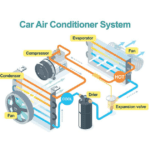
A car’s air conditioning system is one of those components you rarely think about until it stops working on a scorching summer day. I learned this lesson firsthand when my vehicle suddenly began blowing warm air despite the AC being turned to maximum.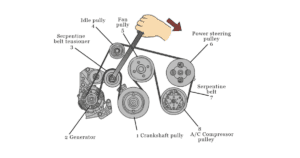 After some inspection, the culprit turned out to be a worn-out car AC belt. At first, I assumed the problem would involve expensive compressor repairs. Surprisingly, replacing the AC belt solved everything at a fraction of the expected cost.
Since then, I’ve become much more aware of the importance of this small yet critical component. In this guide, I’ll share my personal experience with car AC belts, explain how they work, compare different types, discuss buying considerations, and answer the most common questions drivers have.
What Is a Car AC Belt?
A car’s AC belt, often referred to as the air conditioning drive belt or part of the serpentine belt system, transfers rotational power from the engine crankshaft to the AC compressor. Without this belt:
- The AC compressor cannot operate.
- Cabin cooling performance drops significantly.
- Other accessories may also be affected in vehicles using a single serpentine belt.
Although it may seem like a simple rubber component, its condition directly affects comfort and, in some vehicles, overall engine accessory performance.
My Personal Experience with a Failing AC Belt
A few summers ago, I noticed several warning signs:
- A squealing noise during startup.
- Reduced cooling efficiency.
- Occasional burning rubber smell.
- Minor cracking is visible on the belt.
Initially, I ignored these symptoms because the car still drove normally. Eventually, the air conditioning completely stopped working during a long road trip.
After visiting a mechanic, I discovered that the AC belt had become loose and severely worn. The replacement process was surprisingly inexpensive and took less than an hour. The difference afterward was immediate:
✔ Colder air
✔ Quieter engine operation
✔ Improved peace of mind during long drives
That experience taught me that preventive maintenance is far cheaper than emergency repairs.
How a Car AC Belt Works
The process is straightforward:
- The engine rotates the crankshaft pulley.
- The belt transfers this mechanical energy.
- The AC compressor pulley spins.
- Refrigerant circulates through the system.
- Cool air enters the cabin.
When the belt slips or breaks, the compressor cannot generate sufficient pressure, resulting in poor cooling performance.
Common Signs of a Bad Car AC Belt
1. Squealing Noise
This is often the earliest warning sign.
A worn or loose belt may produce a high-pitched squeal, particularly during startup.
2. Weak Air Conditioning
If the compressor isn’t receiving enough power, cabin cooling decreases significantly.
3. Visible Cracks
Inspecting the belt may reveal:
- Fraying edges
- Surface cracks
- Missing rubber ribs
4. Burning Rubber Smell
A slipping belt generates heat and may produce a noticeable burnt odor.
5. Complete AC Failure
In severe cases, the compressor stops functioning.
Types of Car AC Belts
Different vehicles use different belt arrangements.
| Belt Type | Description | Advantages | Disadvantages |
| Dedicated AC Belt | Separate the belt only for the AC compressor | Easier replacement | Extra component to maintain |
| Serpentine Belt | Drives multiple accessories, including AC | Efficient design | Failure affects multiple systems |
| V-Belt | Older style belt | Inexpensive | Less durable |
| Ribbed Belt | Modern multi-rib construction | Better grip and lifespan | Slightly higher cost |
Comparison Table: Premium vs Budget AC Belts
| Feature | Premium Belt | Budget Belt |
| Material Quality | High-grade EPDM rubber | Standard rubber |
| Heat Resistance | Excellent | Moderate |
| Lifespan | 80,000–100,000 km | 30,000–60,000 km |
| Noise Reduction | Better | Average |
| Crack Resistance | High | Lower |
| Price | Higher | More affordable |
| Long-Term Value | Excellent | Moderate |
Why Belt Quality Matters
Many drivers choose the cheapest available replacement belt. I nearly made the same mistake. However, low-quality belts often:
- Wear faster
- Produce more noise
- Crack under extreme temperatures
- Require frequent replacement
Spending slightly more on a reputable belt usually saves money over time.
Materials Used in Modern AC Belts
Modern belts commonly use:
EPDM Rubber (Ethylene Propylene Diene Monomer)
This material offers:
- Excellent heat resistance
- Longer lifespan
- Better flexibility
- Improved resistance to cracking
Older neoprene belts tend to degrade much faster.
Benefits of Maintaining Your Car’s AC Belt
Improved Cooling Performance
A healthy belt allows the compressor to operate efficiently.
Lower Repair Costs
Replacing a worn belt is considerably cheaper than replacing an AC compressor.
Better Reliability
You avoid unexpected failures during hot weather.
Reduced Noise
Fresh belts operate quietly and smoothly.
When Should You Replace a Car AC Belt?
Replacement intervals vary by manufacturer, but most experts recommend inspection every:
40,000–60,000 km
Replacement may be necessary sooner if you notice:
- Cracks
- Fraying
- Excessive noise
- Belt glazing
- Reduced AC performance
Can You Drive with a Bad AC Belt?
Technically, yes, depending on your vehicle. However, I would not recommend it. In vehicles where the AC uses a separate belt, driving may still be possible.
If your car uses a serpentine belt system, belt failure can potentially affect:
- Alternator operation
- Power steering
- Water pump functionality
This could leave you stranded.
Cost of Replacing a Car AC Belt
Typical replacement costs include:
| Service | Estimated Cost |
| Belt Only | $15–$60 |
| Labor | $40–$120 |
| Complete Replacement | $60–$180 |
Luxury vehicles may incur higher costs.
DIY Replacement vs Professional Service
DIY Advantages
- Lower cost
- Educational experience
- Quickly, if tools are available
DIY Disadvantages
- Incorrect tension adjustment risk
- Limited access in compact engine bays
- Potential installation mistakes
Personally, unless you’re comfortable working on vehicles, professional installation is usually worth the extra expense.
Buyer’s Guide: Choosing the Right Car AC Belt
Selecting the correct AC belt involves more than simply matching dimensions.
1. Check Vehicle Compatibility
Always verify:
- Make
- Model
- Year
- Engine size
Even different engine versions may use different belts.
2. Choose Reputable Brands
Quality manufacturers generally provide:
- Better materials
- Longer warranties
- Superior durability
Known automotive belt brands often outperform generic alternatives.
3. Consider Climate Conditions
If you live in extremely hot regions, heat-resistant belts are especially important.
Hot climates accelerate rubber deterioration.
4. Inspect Belt Construction
Look for:
- Uniform ribs
- Strong rubber compound
- High flexibility
- Reinforced internal cords
5. Avoid Ultra-Cheap Options
A very cheap belt may save money initially, but can lead to:
- Premature failure
- Increased labor costs
- Potential accessory damage
6. Check Warranty Coverage
Manufacturers that provide warranties generally have greater confidence in product durability.
Maintenance Tips to Extend Belt Life
Through experience, I’ve learned several simple habits that significantly improve belt longevity.
Inspect Every Oil Change
A quick visual inspection can reveal early problems.
Keep Pulleys Clean
Dirty pulleys accelerate wear.
Address Leaks Quickly
Oil contamination damages belt materials.
Replace Tensioners if Necessary
A new belt installed on a failing tensioner may wear rapidly.
Listen for Noise
Squealing is often the earliest warning sign.
Common Mistakes Car Owners Make
Ignoring Early Symptoms
Many people wait until complete failure occurs.
Buying the Cheapest Belt
Poor-quality products often fail sooner.
Skipping Tensioner Inspection
The tensioner can be the real problem.
Delaying Replacement
A worn belt may damage related components.
Is Replacing an AC Belt Worth It?
Absolutely.
In my case, replacing the belt restored cooling performance immediately and prevented potentially expensive compressor issues.
Considering the relatively low replacement cost, preventive maintenance provides excellent value.
Read More: Bad Car AC Pressure Switch Symptoms
FAQs: Car AC Belt: A Complete Guide, Personal Review
1. How long does a car AC belt last?
Most modern belts last between 60,000 and 100,000 kilometers, depending on driving conditions and material quality.
2. Can a bad AC belt cause warm air?
Yes. If the compressor cannot rotate properly, cooling efficiency drops significantly.
3. How much does an AC belt replacement cost?
Most replacements cost between $60 and $180, including labor.
4. Is a squealing noise always caused by the AC belt?
Not always. The issue may also involve:
- Serpentine belt wear
- Tensioner problems
- Pulley misalignment
5. Can I replace the AC belt myself?
Yes, if you have mechanical experience and the correct tools.
6. How do I know if my AC belt is cracked?
Inspect the belt for:
- Surface cracks
- Frayed edges
- Missing ribs
- Glazed appearance
7. Does a broken AC belt damage the compressor?
Prolonged issues may contribute to compressor wear, especially if slipping occurs repeatedly.
8. Should I replace the tensioner with the belt?
If the tensioner shows signs of wear, replacing both components together is often recommended.
9. Can weather affect belt lifespan?
Yes. Extreme heat and cold accelerate rubber deterioration.
10. Are premium belts worth the extra money?
In most cases, yes. They typically provide:
- Longer lifespan
- Better heat resistance
- Reduced noise
- Lower long-term maintenance costs
Investing slightly more upfront often results in better reliability and lower ownership costs over time.
Final Thoughts
The car AC belt is a small component that plays an essential role in cabin comfort and overall accessory performance.
My own experience taught me not to underestimate seemingly minor symptoms like squealing noises or reduced cooling. A simple belt replacement can often restore your air conditioning system and prevent much larger repair bills.
Regular inspections, quality replacement parts, and timely maintenance can keep your vehicle’s AC functioning efficiently for years.
If your car’s air conditioning isn’t performing as it should, don’t overlook the possibility that the AC belt may be the hidden culprit.