If you’ve ever opened your car door after it sat in the summer sun for a few hours, you already know how brutal the heat can be. The steering wheel feels too hot to touch, the seat belts can burn your skin, and the dashboard seems like it could fry an egg. After experiencing this countless times, I finally decided to try using a car sunshade.
Like many people, I was skeptical at first. Could a simple foldable piece of reflective material really make that much difference? Or was it just another inexpensive accessory that looked useful but delivered little real-world benefit?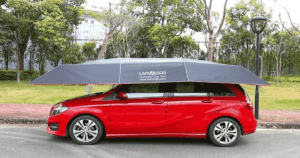 After using several different styles of sunshades over the years, from basic accordion-style reflectors to umbrella-style and custom-fit windshield shades,s I can confidently say that yes, car sunshades really do work. However, their effectiveness depends on the quality of the shade, the size, the fit, and the weather conditions.
In this guide, I’ll explain how car sunshades work, what kind of temperature reduction you can realistically expect, their advantages and disadvantages, and whether they’re actually worth your money. If you’re wondering whether a sunshade belongs on your shopping list, this article will help you decide.
The Short Answer: Do Car Sunshades Really Work?
Yes, they absolutely work. The important thing is understanding what they actually do. Many people expect a sunshade to keep the inside of a parked vehicle cool, almost like air conditioning. That’s simply not possible.
Instead, a good windshield sunshade works by:
- Reflecting sunlight away
- Blocking harmful UV rays
- Reducing solar heat entering through the windshield
- Keeping dashboard temperatures significantly lower
- Preventing steering wheels and seats from becoming dangerously hot
Rather than eliminatingthe heaty, a quality sunshade slows down how quickly the cabin heats up. Even a reduction of 10–20°F (about 6–11°C) can make getting into your car much more comfortable.
Quick Comparison Table
| Feature | Cheap Universal Shade | Umbrella Sunshade | Custom-Fit Sunshade |
| Heat Reduction | Good | Very Good | Excellent |
| UV Protection | Moderate | High | Excellent |
| Ease of Installation | Easy | Very Easy | Easy |
| Storage | Folded Large | Compact | Medium |
| Durability | Average | Good | Excellent |
| Price | $10–15 | $20–35 | $40–80 |
| Best For | Budget buyers | Daily commuters | Long-term owners |
Why Cars Become So Hot
To understand why sunshades help, it helps to know why cars heat up so dramatically. Your windshield acts much like the glass of a greenhouse.
Sunlight enters easily through the glass. Once inside, it warms:
- Dashboard
- Seats
- Center console
- Steering wheel
- Carpets
- Door panels
These surfaces then release heat into the cabin. Because the hot air can’t escape easily, the temperature continues climbing.
This is known as the greenhouse effect, and it’s the primary reason a parked vehicle can become much hotter than the surrounding air.
How Car Sunshades Actually Work
A reflective windshield shade interrupts this process before much of the solar energy enters the cabin. Instead of allowing sunlight to pass through the windshield, reflective materials bounce a large portion of it back outside.
Less incoming solar radiation means:
- Cooler dashboard
- Cooler steering wheel
- Cooler front seats
- Less heat is stored inside plastics
- Lower overall cabin temperature
Think of it like wearing a white shirt instead of a black shirt on a sunny day. The white fabric reflects more sunlight, helping you stay cooler. The same basic principle applies to reflective car sunshades.
My Personal Experience
I’ve tested several different types of sunshades over many summers, parking in shopping center lots, office parking areas, and open driveways with full afternoon sun.
The difference was noticeable every time. Without a sunshade:
- The steering wheel is almost impossible to touch
- Dashboard extremely hot
- Phone mount overheated
- Leather seats uncomfortable
With a quality windshield sunshade:
- The steering wheel is still warm but manageable
- Dashboard noticeably cooler
- The interior felt less suffocating
- The air conditioner cooled the cabin much faster
One thing that surprised me was how much faster the air conditioning seemed to work after using a sunshade. Since the dashboard and steering wheel weren’t storing as much heat, the AC didn’t have to fight against as much radiant heat once I started driving.
How Much Cooler Does a Sunshade Make Your Car?
This is probably the biggest question people ask. The answer depends on:
- Outside temperature
- Sun intensity
- Parking duration
- Windshield size
- Sunshade quality
- Vehicle color
- Interior color
In typical summer conditions, you can often expect:
| Condition | Temperature Difference |
| Dashboard | 20–40°F cooler |
| Steering wheel | 15–30°F cooler |
| Cabin air | 10–20°F cooler |
| Front seats | 10–25°F cooler |
These numbers vary, but even modest reductions can make entering your car far more comfortable.
The Biggest Benefits of Using a Car Sunshade
1. Reduces Interior Heat
This is the primary reason most people buy one. While it won’t keep your car cold, it noticeably reduces heat buildup.
2. Protects the Dashboard
Continuous UV exposure can dry out dashboard materials, causing fading, discoloration, and cracking over time.
Using a sunshade helps extend the life and appearance of these surfaces.
3. Keeps the Steering Wheel Cooler
One of my favorite benefits is simply avoiding a steering wheel that’s painfully hot to hold.
4. Protects Electronics
Navigation screens, dash cameras, wireless chargers, and phone mounts all last longer when they’re exposed to less heat day after day.
5. Makes Air Conditioning More Effective
Since the cabin starts at a lower temperature, your AC reaches a comfortable level more quickly, improving comfort and potentially reducing fuel or battery use during the initial cooling period.
Different Types of Car Sunshades
Not all car sunshades are created equal. While they all serve the same basic purpose, reducing heat and blocking sunlight, their effectiveness, ease of use, and durability vary significantly.
Choosing the right type depends on your budget, how often you park outdoors, and how much convenience matters to you.
1. Accordion (Foldable) Sunshades
These are the classic reflective sunshades that fold like an accordion.
Pros
- Affordable
- Easy to find
- Fits many vehicles
- Good heat reflection
- Lightweight
Cons
- Doesn’t always fit perfectly
- Can sag over time
- Requires both sun visors to stay in place
- Takes up more storage space when folded
Best for: Budget-conscious drivers who occasionally park outdoors.
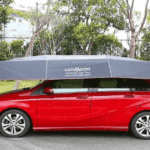
2. Umbrella-Style Sunshades
These have become increasingly popular because they open just like an umbrella.
Pros
- Extremely quick to install
- Compact storage
- Better windshield coverage
- Convenient for daily commuters
- Modern design
Cons
- Slightly more expensive
- Hinges may wear out after years of use
- Not ideal if your windshield has unusual curves
Best for: People who use a sunshade every day.
3. Custom-Fit Sunshades
These are made specifically for your vehicle’s make and model.
Pros
- Perfect windshield coverage
- Excellent insulation
- Highest UV protection
- Very durable
- Premium appearance
Cons
- Highest price
- Larger when folded
- Vehicle-specific
Best for: Long-term owners who want maximum protection.
4. Side Window Sunshades
These attach to side windows using suction cups, clips, or static cling material. They don’t lower cabin temperatures as much as windshield shades, but they help by:
- Reducing glare
- Protecting passengers
- Blocking UV rays
- Keeping rear-seat areas cooler
- Providing some privacy
Families with young children often find these especially useful.
5. Rear Window Sunshades
The rear windshield also allows significant sunlight into the cabin. Adding a rear sunshade can:
- Reduce heat entering from behind
- Protect rear seats
- Prevent fading of cargo-area materials
- Improve overall comfort
For maximum heat reduction, many drivers combine windshield, side window, and rear window shades.
Do Expensive Sunshades Work Better?
Generally, yes, but only up to a point. A $15 reflective shade is almost always better than using nothing at all. However, premium models often provide:
- Better reflective coatings
- More insulation
- Improved durability
- Better fit
- Easier installation
- Longer lifespan
In my experience, spending a little more often results in a product that’s easier to use every day, which means you’re more likely to actually use it.
Materials Matter
One of the biggest differences between inexpensive and premium sunshades is the material used.
Basic Aluminum Foil Layer
These reflect sunlight effectively but may wrinkle or tear over time.
Multi-Layer Reflective Material
Premium shades often combine:
- Reflective aluminum
- Foam insulation
- Polyester fabric
- Reinforced stitching
These layers improve both heat reflection and durability.
Real-World Performance
Here’s how I found each type performed during typical summer parking.
| Parking Situation | No Shade | Basic Foldable | Umbrella | Custom-Fit |
| Grocery Store (30 min) | Very Hot | Cooler | Cooler | Coolest |
| Office Parking (8 hrs) | Extremely Hot | Noticeably Better | Better | Best |
| Beach Parking | Nearly Unbearable | Significant Improvement | Excellent | Outstanding |
| Daily Commuting | Poor | Good | Excellent | Excellent |
The custom-fit shade consistently offered the best performance because it covered nearly every inch of the windshield.
When Car Sunshades Work Best
You’ll notice the greatest benefit when:
- Parking in direct sunlight
- Leaving your vehicle for several hours
- Driving in hot climates
- Using dark-colored interiors
- Parking on asphalt
- Leaving your car at work all day
The longer your vehicle sits in the sun, the more noticeable the difference becomes.
Situations Where Sunshades Help Less
Although they work well, they aren’t magic. Their effectiveness is reduced when:
- Windows are left partially open (allowing warm air to circulate)
- The windshield shade doesn’t fit properly
- The reflective side faces inward by mistake
- The shade leaves large gaps
- Temperatures are extremely high (over 100°F / 38°C)
Even in these situations, a quality sunshade still provides meaningful protection compared to no shade at all.
Common Misconceptions
“A Sunshade Will Keep My Car Cold”
Not exactly.
A sunshade slows heat buildup, but it doesn’t stop it. Your car will still warm up, just not as quickly or as intensely.
“Any Reflective Shade Works the Same”
False.
Size, fit, material quality, and construction all influence performance.
A poorly fitting shade leaves gaps where sunlight can enter, reducing its effectiveness.
“I Only Need One for Summer”
UV rays are present year-round.
Using a sunshade in spring, summer, and even sunny winter days can help preserve your dashboard, upholstery, and interior trim from long-term fading and damage.
Additional Benefits You Might Not Expect
Reduced Dashboard Cracking
Plastic dashboards expand and contract with repeated heating and cooling. Over time, this can lead to cracks.
Reducing peak temperatures helps slow this aging process.
Longer Life for Leather Seats
Leather dries out faster when exposed to constant heat and UV radiation.
A sunshade reduces direct sunlight, helping seats stay in better condition.
Cooler Child Safety Seats
If you transport children, a sunshade can make a noticeable difference in how hot child safety seats become after hours in the sun.
Windshield vs. Side Window vs. Rear Window Sunshades
One of the most common questions buyers ask is whether they need just a windshield sunshade or if side and rear window shades are worth purchasing too.
The answer depends on where and how you park. For most drivers, a windshield sunshade provides the biggest improvement because the windshield is typically the largest piece of glass on the vehicle and allows the most sunlight into the cabin.
However, adding side and rear window shades can further reduce heat buildup and protect passengers from direct sunlight.
Windshield Sunshades
A windshield sunshade is the most effective single accessory for reducing interior temperatures.
Advantages
- Blocks the majority of direct sunlight
- Protects the dashboard
- Keeps the steering wheel cooler
- Reduces heat reaching the front seats
- Helps the air conditioner cool the cabin faster
Disadvantages
- Doesn’t block sunlight entering through side windows
- Requires correct sizing for maximum effectiveness
Best for: Every vehicle owner.
Side Window Sunshades
Side windows allow sunlight to strike seats, door panels, and passengers directly. These shades are especially useful for:
- Families with children
- Pets
- Long road trips
- Vehicles parked for several hours
Benefits
- Less glare
- Cooler rear seats
- Better passenger comfort
- Reduced UV exposure
- Increased privacy
Rear Window Sunshades
Many people overlook the rear windshield, but it also contributes to interior heat buildup. A rear window shade can:
- Protect cargo
- Reduce heat in hatchbacks and SUVs
- Prevent rear-seat fading
- Improve overall cabin comfort
Which Combination Works Best?
| Combination | Heat Reduction | Interior Protection | Recommended For |
| Windshield Only | ★★★★☆ | ★★★★☆ | Most drivers |
| Windshield + Side | ★★★★★ | ★★★★★ | Families |
| Full Vehicle Coverage | ★★★★★ | ★★★★★ | Hot climates |
| Side Windows Only | ★★☆☆☆ | ★★★☆☆ | Rear passengers |
For most people, starting with a quality windshield sunshade offers the best value.
How to Choose the Best Car Sunshade
Not every sunshade performs equally. Here are the most important factors to consider before buying.
1. Correct Size
A poorly fitting sunshade leaves gaps around the windshield, allowing sunlight to enter.
Measure your windshield or purchase a model designed specifically for your vehicle.
2. Reflective Material
Look for:
- Multi-layer construction
- Reflective aluminum coating
- Thick insulation
- Durable stitching
Thin, single-layer shades generally don’t perform as well over time.
3. Ease of Installation
If a sunshade is difficult to install, you’re less likely to use it consistently.
Umbrella-style designs are popular because they open and close in seconds.
4. Storage
Consider where you’ll keep the shade when driving.
Some fold into a small storage pouch, while others require more space behind the seats or in the trunk.
5. Build Quality
A quality sunshade should have:
- Reinforced edges
- Strong folding mechanism
- Durable fabric
- Heat-resistant materials
- Secure fasteners (if applicable)
Spending a little more up front often means the shade lasts for years instead of just one summer.
Common Buying Mistakes
Avoid these mistakes to get the most value from your purchase.
Buying the Cheapest Option
Low-cost shades may work initially, but they often:
- Tear easily
- Lose their shape
- Fit poorly
- Wear out after one season
Ignoring Vehicle Size
A universal shade may not fully cover your windshield.
Large gaps reduce heat protection significantly.
Choosing Style Over Function
Some decorative shades look appealing but lack the reflective materials needed to block heat effectively.
Always prioritize performance over appearance.
Forgetting UV Protection
Heat isn’t the only concern. Ultraviolet (UV) rays contribute to:
- Dashboard fading
- Seat discoloration
- Plastic cracking
- Leather drying
A good sunshade helps reduce both heat and UV exposure.
How to Install a Car Sunshade Correctly
Proper installation makes a noticeable difference.
Step 1
Open the sunshade completely.
Step 2
Place the reflective side facing outward toward the windshield.
Step 3
Fit it snugly against the glass.
Step 4
Lower both sun visors to hold the shade securely.
Step 5
Check for large gaps around the edges.
A snug fit provides the best protection.
Tips for Maximum Heat Reduction
A sunshade works even better when combined with a few simple habits.
Park in the Shade
Whenever possible, choose shaded parking areas.
Trees, parking garages, or covered spaces significantly reduce heat buildup.
Crack the Windows Slightly
If it’s safe and the weather permits, opening the windows just a small amount can allow trapped hot air to escape.
(Be sure to follow local safety practices and avoid leaving windows open in unsecured areas.)
Use Light-Colored Seat Covers
Light fabrics absorb less heat than dark materials, helping keep seats more comfortable.
Tint Your Windows
Legal window tint can reduce additional heat and UV entering through side and rear windows.
Combined with a windshield sunshade, this provides even greater protection.
Clean the Windshield
Dust and grime can reduce how well a sunshade sits against the glass.
A clean windshield helps ensure maximum coverage and reflection.
Maintenance Tips
A quality sunshade requires very little maintenance, but proper care can extend its lifespan.
- Fold it according to the manufacturer’s instructions.
- Avoid forcing folding hinges.
- Store it in a dry location.
- Wipe off dust and dirt with a damp microfiber cloth.
- Allow it to dry before storing if it becomes wet.
- Inspect seams and edges periodically for wear.
With proper care, many premium sunshades can last for several years of regular use.
Personal Review: Is It Worth Buying?
After years of using different styles, I consider a windshield sunshade one of the best low-cost accessories you can buy for a vehicle.
It doesn’t eliminate heat, but it noticeably improves comfort and helps protect the interior from long-term sun damage. The difference is especially noticeable after your car has been parked in direct sunlight for several hours.
If you frequently park outdoors, whether at work, the grocery store, or while traveling, a good sunshade is a simple investment that pays off in comfort and interior preservation.
Complete Buyer’s Guide: How to Choose the Best Car Sunshade
Buying a car sunshade may seem straightforward, but with so many options available, selecting the right one can make a significant difference in both comfort and long-term vehicle protection. This buyer’s guide highlights the key features to consider before making a purchase.
Why Investing in a Quality Sunshade Is Worth It
Compared to many automotive accessories, a windshield sunshade is inexpensive. Yet it helps protect some of the most expensive interior components, including:
- Dashboard
- Infotainment screen
- Steering wheel
- Leather or fabric seats
- Door panels
- Center console
- Interior trim
Replacing a cracked dashboard or faded upholstery can cost hundreds or even thousands of dollars. A quality sunshade is a simple way to reduce that risk.
Key Features to Look For
1. Vehicle-Specific Fit
A custom-fit sunshade provides the best coverage because it’s designed to match the exact shape of your windshield.
Benefits include:
- Minimal light gaps
- Better heat reflection
- Easier installation
- More secure fit
If a custom-fit option isn’t available, choose a universal model that closely matches your windshield dimensions.
2. High-Quality Reflective Surface
Look for reflective materials that efficiently bounce sunlight away from your vehicle. The best models often feature:
- Aluminum-coated reflective layers
- Multi-layer insulation
- UV-resistant materials
- Reinforced stitching
These features improve both performance and durability.
3. Thickness
A thicker sunshade generally offers better insulation than a thin, single-layer version. While thicker models may cost slightly more, they typically provide:
- Better heat reduction
- Improved durability
- Longer service life
4. Ease of Use
If installing your sunshade is frustrating, you’re less likely to use it consistently. Consider designs that:
- Open quickly
- Fold easily
- Store compactly
- Fit without constant adjustment
Convenience encourages regular use.
5. Durability
Choose a product made with sturdy materials and quality craftsmanship. Check for:
- Strong seams
- Reinforced edges
- Durable folding mechanisms
- Heat-resistant construction
A well-made sunshade can last for years with proper care.
Who Should Buy a Car Sunshade?
A sunshade is a smart investment for almost any driver, but it’s especially useful if you:
- Park outside daily
- Live in a hot or sunny climate
- Own a vehicle with a leather interior
- Want to reduce dashboard fading
- Frequently travel with children or pets
- Plan to keep your vehicle for many years
Even if you primarily park in a garage, a sunshade can still be helpful when you’re at work, shopping, or traveling.
Are Cheap Sunshades Worth Buying?
Budget sunshades are certainly better than using nothing at all. However, they may have drawbacks such as:
- Thinner materials
- Less effective insulation
- Shorter lifespan
- Poorer fit
- Lower-quality construction
If you use a sunshade every day, spending a bit more on a well-made model often pays off in convenience and durability.
When a Sunshade May Not Be Necessary
While beneficial for most drivers, a sunshade may be less essential if:
- Your vehicle is almost always parked in a garage.
- You mainly drive during cooler months.
- You rarely leave your car parked in direct sunlight.
Even in these cases, having a sunshade available for occasional use can still be worthwhile.
Additional Tips for Keeping Your Car Cooler
A sunshade works best when combined with other heat-reducing strategies.
Park Under Cover
Whenever possible, choose:
- Covered parking garages
- Carports
- Tree shade (while being mindful of sap and falling debris)
Reducing direct sunlight is the most effective way to keep your vehicle cooler.
Use Window Tint
High-quality, legally compliant window tint helps block heat and UV rays through side and rear windows, complementing your windshield sunshade.
Protect Interior Surfaces
Use products designed for automotive interiors to maintain dashboards, leather, vinyl, and plastic trim. Combined with a sunshade, they help preserve your vehicle’s appearance over time.
Ventilate Before Driving
Before turning on the air conditioning:
- Open the doors for a few moments.
- Allow trapped hot air to escape.
- Then start the vehicle and activate the AC.
This simple step helps cool the cabin more quickly.
Read More: Car AC Blower Motor Replacement
FAQs: What Does A Map Sensor Do On A Car
1. Do windshield sunshades actually lower the temperature inside a car?
Yes. While they won’t keep the interior cold, they can significantly reduce heat buildup by reflecting sunlight away from the windshield. They also help keep surfaces like the dashboard and steering wheel noticeably cooler.
2. How much cooler can a sunshade make a car?
Results vary depending on weather conditions, but many drivers notice interior temperatures that are around 10–20°F (6–11°C) lower compared to a vehicle without a sunshade. Surface temperatures on the dashboard and steering wheel can be reduced even more.
3. Are expensive sunshades worth the extra cost?
If you use one regularly, premium sunshades often provide:
- Better fit
- Improved heat reflection
- Greater durability
- Easier installation
- Longer lifespan
For occasional use, a well-made budget model can still offer good value.
4. Can a sunshade prevent dashboard cracking?
It can help reduce the risk by limiting prolonged exposure to heat and ultraviolet (UV) rays. While no sunshade can completely prevent aging, it can slow the wear caused by intense sunlight.
5. Do sunshades protect leather seats?
Yes. By reducing direct sunlight entering through the windshield, they help minimize heat and UV exposure, which can contribute to fading, drying, and premature wear.
6. Should the reflective side face outward?
Yes. The reflective surface should face the windshield so it can reflect sunlight away before it enters the cabin.
7. Will a sunshade interfere with my rearview mirror?
Most modern designs include a cutout or flexible shape to fit around the rearview mirror. A properly sized sunshade should install without significant interference.
8. Can I use a sunshade in winter?
Absolutely. While they’re most popular in summer, sunshades also help block UV rays year-round and can protect your interior on bright winter days.
9. Are umbrella-style sunshades durable?
Quality umbrella-style models are generally durable and easy to use. Choosing one with reinforced hinges and sturdy materials can improve longevity.
10. Do I need side window shades, too?
If you frequently carry children, pets, or passengers in the rear seats or if your car spends long hours in direct sun, light side window shades can provide additional comfort and UV protection.