Checking your car’s engine oil is one of the simplest maintenance tasks you can perform, yet it’s also one of the most important. It takes less than five minutes, requires almost no tools, and can save you thousands of dollars in engine repairs.
I remember the first time I checked my own oil dipstick. I wasn’t sure whether the oil level was correct, what the markings meant, or whether I should wipe the dipstick before reading it. Like many new drivers, I assumed checking engine oil was complicated. After learning the proper technique, I realized it’s incredibly easy.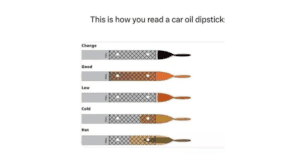 Whether you drive every day or only occasionally, knowing how to check your car’s oil dipstick helps you catch problems early, improve engine performance, and extend the life of your vehicle.
This guide explains everything you need to know, from locating the dipstick to interpreting oil color, level markings, and deciding when it’s time for an oil change.
Why Checking Engine Oil Matters
Engine oil performs several critical jobs:
- Lubricates moving engine parts
- Reduces friction
- Prevents overheating
- Cleans internal components
- Protects against corrosion
- Improves fuel efficiency
Driving with low or dirty oil increases wear and can eventually destroy an engine. Checking the dipstick regularly helps you spot issues before they become expensive repairs.
What Is a Car Oil Dipstick?
A dipstick is a long, thin metal rod inserted into the engine through a tube. It allows you to quickly measure:
- Oil level
- Oil condition
- Oil color
- Signs of contamination
Most vehicles have a brightly colored handle, usually yellow, orange, or red, making it easy to locate.
Tools You’ll Need
Fortunately, checking engine oil requires very little.
- Clean microfiber cloth or paper towel
- Disposable gloves (optional)
- Flashlight (optional)
That’s it.
Step-by-Step: How To Check Car Oil Dipstick
Step 1: Park on Level Ground
Always park on a flat surface.
A sloped driveway can give an inaccurate reading because oil pools to one side of the oil pan.
Step 2: Turn Off the Engine
Switch off the engine.
If you’ve been driving, wait about 5–10 minutes.
This allows the oil to drain back into the oil pan for a more accurate reading.
Step 3: Open the Hood
Locate the hood release lever inside your vehicle.
Lift the hood and secure it with the support rod if necessary.
Step 4: Find the Dipstick
Look for a handle labeled:
- Engine Oil
- Oil
- Yellow loop handle
- Orange handle
If you’re unsure, consult your owner’s manual.
Step 5: Pull Out the Dipstick
Slowly remove the dipstick.
The first reading usually isn’t accurate because oil splashes while driving.
Step 6: Wipe It Clean
Use a clean rag or paper towel.
Wipe every bit of oil from the dipstick.
This is the most commonly forgotten step.
Step 7: Reinsert the Dipstick
Push it completely back into the tube.
Wait one or two seconds.
Step 8: Remove It Again
Pull it out slowly.
Now you’ll see the true oil level.
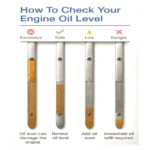
Step 9: Read the Oil Level
Most dipsticks have:
- MIN
- MAX
or
- LOW
- FULL
Some have two holes or crosshatched markings.
The oil should be between these marks.
Ideally, it’s close to the FULL mark without exceeding it.
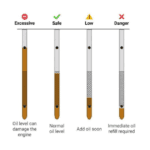
Understanding Dipstick Markings
| Oil Level | Meaning | Action |
| Above MAX | Too much oil | Drain excess oil |
| Near MAX | Perfect | No action needed |
| Middle | Safe | Continue driving |
| Near MIN | Low | Add oil soon |
| Below MIN | Very low | Add oil immediately |
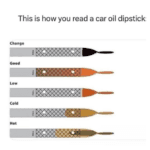
How Should Engine Oil Look?
Healthy oil typically appears:
- Amber
- Golden brown
- Light brown
Older oil becomes:
- Dark brown
- Black
Dark oil alone doesn’t always mean it’s bad. Instead, watch for:
- Thick sludge
- Metal flakes
- Milky appearance
- Burnt smell
These may indicate engine problems.
Common Mistakes People Make
Checking Immediately After Driving
Oil hasn’t settled.
Result:
Inaccurate reading.
Forgetting to Wipe the Dipstick
This produces a false high reading.
Parking on a Hill
Oil shifts inside the pan.
Always use level ground.
Overfilling the Engine
Too much oil can:
- Cause foaming
- Increase pressure
- Damage seals
- Harm the catalytic converter
Ignoring Oil Color
Low oil isn’t the only concern.
Dirty oil also affects engine performance.
How Often Should You Check Engine Oil?
I recommend checking:
- Once every month
- Before long road trips
- Every 1,000 miles (1,600 km)
- Whenever the oil warning light appears
Older vehicles may require more frequent checks.
Signs Your Oil Is Low
Watch for:
- Oil warning light
- Engine knocking
- Increased engine noise
- Burning smell
- Reduced fuel economy
- Rough engine performance
Don’t ignore these symptoms.
When Should You Add Oil?
If the oil level sits close to or below the MIN mark, add the manufacturer-recommended oil gradually.
Pour a little at a time, wait a minute, then recheck the dipstick until the level is near the FULL mark. Avoid filling above the MAX mark.
Can You Check Oil While the Engine Is Cold?
Yes.
Many manufacturers actually recommend checking the oil before starting the engine in the morning.
The important thing is consistency.
Personal Review
After checking oil on several different vehicles over the years, from compact sedans to SUVs, I can confidently say the dipstick remains one of the easiest ways to monitor engine health.
Modern cars often include electronic oil monitoring systems, but I still prefer confirming the level with the dipstick whenever possible. It gives immediate visual feedback about both the quantity and condition of the oil, something a dashboard indicator cannot fully provide.
I also appreciate that this simple habit takes only a few minutes yet can prevent costly repairs. In my experience, drivers who check their oil regularly are more likely to notice leaks, excessive oil consumption, or contamination before these issues become serious.
Comparison Table
| Feature | Manual Dipstick | Electronic Oil Monitor |
| Accuracy | Excellent when used correctly | Good |
| Shows oil condition | Yes | No |
| Detects contamination | Yes | No |
| Cost | Free | Built into the vehicle |
| Requires user inspection | Yes | No |
| Best for | All vehicles | Newer vehicles |
Buyer’s Guide: Helpful Accessories for Checking Engine Oil
While a dipstick is built into your vehicle, a few inexpensive accessories can make oil checks cleaner and more convenient.
Microfiber Cloths
Reusable microfiber cloths remove oil cleanly without leaving lint on the dipstick.
Disposable Nitrile Gloves
Gloves keep your hands clean and protect your skin from used engine oil.
Funnel
A small automotive funnel makes topping up engine oil easier and reduces spills.
LED Flashlight
Useful when checking oil in poor lighting or during evening inspections.
Spare Engine Oil
Keep a bottle of the manufacturer-recommended engine oil in your trunk so you’re prepared if the level drops during a trip.
Expert Tips
- Check oil at the same time each month.
- Use only the oil grade recommended by your vehicle manufacturer.
- Record how often you need to add oil.
- Frequent top-ups may indicate a leak or oil consumption issue.
- Never rely solely on the dashboard oil light; check the dipstick periodically.
- Replace the oil filter whenever you perform an oil change.
Read More: How To Replace a Car Window Seal
FAQs: How To Check Car Oil Dipstick
How often should I check my oil dipstick?
Once a month or before any long trip is a good routine. Older vehicles or engines that consume oil may need more frequent checks.
Can I check the oil when the engine is hot?
Yes, but wait about 5–10 minutes after turning the engine off so the oil drains back into the oil pan.
What if my oil is black?
Dark oil is normal after use. Replace the oil according to your maintenance schedule or sooner if it appears sludgy, gritty, or has a burnt smell.
Is it bad to overfill engine oil?
Yes. Overfilling can increase pressure, create foaming, reduce lubrication efficiency, and potentially damage engine seals and other components.
Should the oil be exactly at the FULL mark?
It’s ideal for the oil level to be near the FULL mark without going above it.
What happens if the oil is below the MIN mark?
Add the correct type of engine oil immediately. Driving with very low oil can cause severe engine wear or failure.
Why do I need to wipe the dipstick first?
The initial pull may have splashed oil up the tube. Wiping it clean and reinserting it gives the most accurate reading.
Can I use any engine oil to top up?
No. Always use the oil viscosity and specification recommended in your vehicle owner’s manual.
How long does checking the oil take?
Most drivers can complete the process in less than five minutes.
Is checking the dipstick better than relying on the dashboard oil light?
Yes. The dipstick lets you verify both the oil level and its condition, while the dashboard light typically warns only after the oil level or pressure has already become a concern.
Final Thoughts
Learning how to check your car’s oil dipstick is one of the easiest and most valuable maintenance skills any driver can master. In just a few minutes, you can confirm your engine has enough clean oil, identify early warning signs of trouble, and help prevent expensive engine damage.
Whether you own a brand-new vehicle or an older daily driver, making oil checks part of your routine is a small habit that pays off with better reliability, longer engine life, and greater peace of mind.