If you’ve ever wondered why mechanics constantly emphasize checking your engine oil, here’s the truth: engine oil is the lifeblood of your car. Without it, your engine would overheat, wear out faster, and potentially fail.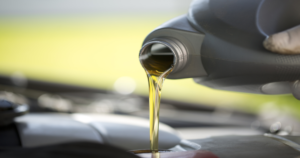 I still remember the first time I checked my engine oil. It felt intimidating lifting the hood, finding the dipstick, and worrying about doing something wrong. But once I learned the process, it became one of the easiest and most valuable habits in maintaining a car.
This guide is designed to make that learning curve smooth for you. Whether you’re a complete beginner or someone looking to refine your car maintenance routine, you’ll find everything you need here.
What Does Engine Oil Actually Do?
Before jumping into the “how,” it’s important to understand the “why.” Engine oil performs several critical functions:
- Lubricates moving parts
- Reduces friction
- Prevents overheating
- Cleans internal components
- Protects against corrosion
Without proper oil levels, your engine works harder and wears down faster. That’s why regular checks are essential.
When Should You Check Your Engine Oil?
From personal experience, consistency matters more than perfection. Ideally, you should check your oil:
- Once every 2–4 weeks
- Before long road trips
- When dashboard oil warning lights appear
- After oil changes (to ensure proper fill)
If your car is older, checking more frequently is a smart move.
Step-by-Step: How To Check Engine Oil
Let’s break this down into simple, actionable steps.
Step 1: Park on Level Ground
Always ensure your car is parked on a flat surface. This ensures an accurate reading.
Step 2: Turn Off the Engine
Wait at least 5–10 minutes after turning off the engine. This allows the oil to settle in the oil pan.
Step 3: Locate the Dipstick
Open the hood and find the dipstick. It usually has a bright handle (yellow or orange).
Step 4: Remove and Clean the Dipstick
Pull the dipstick out and wipe it clean using a cloth or paper towel.
Step 5: Reinsert and Remove Again
Insert the dipstick fully back in, then pull it out again to get the actual reading.
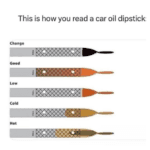
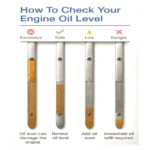
Step 6: Check Oil Level
Look at the markings:
- Minimum (low)
- Maximum (full)
Your oil level should be between these two marks.
Step 7: Inspect Oil Condition
Good oil looks:
- Amber or light brown
- Smooth in texture
Bad oil appears:
- Dark/black
- Gritty or dirty
Step 8: Add Oil if Necessary
If the level is low, add oil gradually and recheck until it reaches the proper level.
Personal Experience: What I Learned the Hard Way
I once ignored checking my oil for months. Everything seemed fine until my engine started making strange noises. When I finally checked, the oil level was dangerously low.
That mistake taught me something important: checking oil takes 5 minutes, but ignoring it can cost thousands.
Comparison Table: Manual vs Electronic Oil Monitoring
| Feature | Manual Dipstick Check | Electronic Oil Monitor |
| Accuracy | High (if done correctly) | Moderate |
| Ease of Use | Requires effort | Very easy |
| Cost | Free | Built into the vehicle |
| Maintenance Awareness | Hands-on | Passive |
| Reliability | Very reliable | Depends on sensors |
Signs Your Engine Oil Needs Attention
Even if you forget to check regularly, your car often gives warning signs:
- Engine knocking sounds
- Oil warning light
- Burning smell
- Reduced performance
- Dark exhaust smoke
Never ignore these signs; they usually indicate urgent issues.
Buyer’s Guide: Choosing the Right Engine Oil
Choosing engine oil can feel overwhelming, especially with so many options available. Here’s a simplified guide.
Types of Engine Oil
1. Conventional Oil
- Best for older vehicles
- Affordable
2. Synthetic Oil
- High performance
- Better for extreme temperatures
3. Synthetic Blend
- Balanced performance and cost
4. High-Mileage Oil
- Designed for vehicles with over 75,000 miles
Viscosity Grades Explained
You’ve probably seen labels like 5W-30 or 10W-40.
- The first number (5W) = cold temperature performance
- The second number (30) = operating temperature thickness
Always follow your car manufacturer’s recommendation.
What I Personally Recommend
From experience, synthetic oil is worth the extra cost if you want long-term engine health and smoother performance.
Common Mistakes to Avoid
Even simple tasks can go wrong. Here are mistakes I’ve seen (and made):
- Checking oil on an uneven surface
- Not wiping the dipstick before measuring
- Overfilling oil
- Using the wrong oil type
- Ignoring oil color and texture
Avoiding these mistakes can save you serious trouble.
Advanced Tips for Better Engine Health
If you want to go beyond basics:
- Keep a maintenance log
- Check oil before long drives
- Replace the oil filter regularly
- Monitor oil consumption trends
These habits separate average car owners from smart ones.
Read More: What Is A Turbo Back Exhaust
FAQs: How To Check Engine Oil
1. Can I check engine oil when the engine is hot?
Yes, but it’s best to wait a few minutes after turning it off to get an accurate reading.
2. What happens if the engine oil is too low?
Low oil can cause engine damage due to increased friction and overheating.
3. How often should I change engine oil?
Typically, every 5,000–10,000 km, depending on oil type and driving conditions.
4. What color should engine oil be?
Clean oil is amber or light brown. Dark oil may indicate it’s time for a change.
5. Can I mix different types of engine oil?
It’s not recommended unless necessary. Always try to use the same type.
6. What if I overfill the engine oil?
Overfilling can cause pressure buildup and engine damage. Drain excess oil if needed.
Final Thoughts
Checking your engine oil isn’t just a maintenance task; it’s a habit that protects your car, saves money, and gives you peace of mind.
Once you’ve done it a few times, it becomes second nature. And honestly, there’s something satisfying about knowing you’re taking care of your vehicle the right way.
If you take away one thing from this guide, let it be this: never underestimate the importance of engine oil. It’s a small effort, big impact.