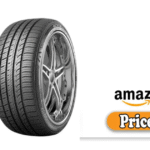
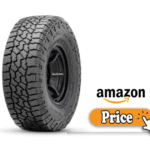
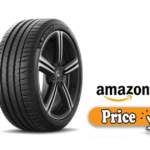
When I first started looking into my next set of tires, the brand called Continental kept coming up. But the question lingered: Who really owns Continental tires? Beyond that, I wanted to know: Are these tires worth the investment? How do they perform? And most importantly, how did they feel in my everyday driving experience?
In this article, I’ll walk you through everything that I like about Continental, what could be better, how they performed for me, build quality, design impressions, and even an alternative option if they’re not a perfect fit for you.
I’ll lay out clearly Who Owns Continental Tires | My Honest Experience, and you’ll get an authentic, down-to-earth take from someone who’s been behind the wheel for a while. So buckle up, and let’s roll into it.

Who Owns Continental Tires | My Honest Experience?
Before I talk tires, let’s settle the ownership question. If you’re searching “Who owns Continental tires?”, here’s the short answer: The brand Continental is part of the German multinational Continental AG, headquartered in Hanover, Germany.
In fact, their shareholder structure shows free float at 54.0% as of the end of 2024, with a large stake held by the grouping around INA‑Holding Schaeffler GmbH & Co. KG (formerly IHO) owning about 46% of shares. So, in essence, Continental tires are made by Continental AG. End of story.
Here’s a little more color: Continental AG has a long history (founded in 1871) and has grown into a broad automotive parts and tire-making company. They’re more than just tires; they do electronics, brake systems, and vehicle safety tech, too.
But when you buy a “Continental tire,” you’re buying into that parent company’s legacy. Now that we’ve answered the ownership question, let’s move into what I found in my personal experience with their tires.
What I Like
There were quite a few positives when I ran Continental tires on my vehicle. Here’s what stood out.
1. Premium Feel & Reputation
From the get-go, I felt like I was getting a premium product. Continental has built up a reputation for high quality in the tire world. For instance, the company itself says that since its foundation, its mission has included “safe, efficient, intelligent and affordable solutions for vehicles, machines, traffic and transportation.” When you buy the brand, you know you’re not getting bargain-bin stuff.
2. Good Performance in Various Conditions
In my daily driving, city traffic, some highway stretches, occasional rain, I felt confident with the grip, especially when things got a bit wet. Continental’s manufacturing footprint is global (17 countries and 22 manufacturing sites), which suggests scale and capability. The tires felt stable at speed and held up well during braking.
3. Build Quality Visible Upon Inspection
When I looked closely at the tires (sidewall, tread pattern, manufacturing date code), they appeared well-made. No obvious flaws, good finishing touches, solid materials.
For me, that builds confidence. Buying a known brand gives you an extra layer of trust compared to unknowns.
4. Brand Assurance and After-Sales Support
Because Continental is a large, established company, I felt I had more assurance around warranty, support, and parts availability (in the U.S. at least). That peace of mind matters when you’re investing in tires.
5. Balanced Performance
I didn’t feel like I was trading off one major area (say, wet grip) for another (like longevity) in a big way. Continental seemed to hit the “sweet spot” for everyday driving versatility was a big plus.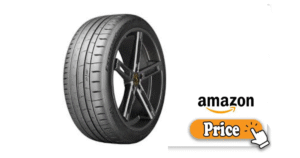 👉🏿👉🏻 Check the Latest Price and Offer at Amazon 👈🏻👈🏿
What Could Be Better
No product is perfect, and while I was positively surprised in many areas, there were a few things I thought could have been better with the Continental tire experience.
1. Cost Premium
Since you’re buying into a premium brand, you inevitably pay a bit more. If you’re budget-conscious, you might feel the pinch.
I did. While I believed the value was there, it still made me pause and evaluate if the extra cost (over mid-tier brands) was justified for my driving habits.
2. Noise Levels
On certain surfaces (especially rough asphalt or chip-seal roads in the U.S.), I noticed the road noise a little more than I expected. It wasn’t horrible, it didn’t ruin the ride, but compared to the quietest tires I’ve used, the Continental set was just a touch noisier. For someone very sensitive to noise, it might be worth comparing side-by-side.
3. Longevity vs. Expectations
While the build quality is good, I do think the lifespan (tread life) was slightly below the highest possible benchmarks from ultra-longevity tires.
I got very good mileage but not record-setting mileage. If you drive superhigh miles annually, you might trade off lifespan for performance.
4. Availability of Specific Models / Sizes
In my local region, certain sizes or variants of Continental tires were harder to source or required special ordering. If you drive a non-standard size or want a very specialized tire, you may find the lead time a little longer. For a standard size, you’re fine, but if in a niche size/variant, this could matter.
My Personal Experience
Here’s my story, unfiltered. I hope this gives you a realistic sense of what it’s like to live with Continental tires day-to-day.
Vehicle, Setup & Background
I drive a mid-sized sedan (U.S. roads, mixed city/highway use). I switched to Continental tires about a year ago, replacing an older set of mid-tier tires that were nearing the end of their life.
I live in an area that sees occasional heavy rain, moderate winters (but not extreme snow), and mostly highway plus city driving.
First Impressions
When I mounted the Continentals, I noticed a firmer ride initially, slightly more road feel through the steering than my previous tires. But in a good way: it felt more responsive, more connected.
After a few hundred miles, I adapted, and the ride settled into comfortable territory: not harsh, but a bit more “planted.”
Wet Weather Performance
During a few heavy rain events, I was impressed. The tires handled standing water reasonably well, did not hydroplane (in my experience), and braking distances felt good. That reinforced my confidence when commuting in less-than-ideal conditions.
Dry Highway Cruising
On long highway drives (70–80 mph range), the Continental tires delivered a stable, composed feel. At higher speeds, I felt less wobble or flex compared to the previous set comfortable and confidence-inspiring.
Noise & Comfort
As I mentioned above, the comfort level was solid. The ride was smooth, but I did pick up a little more external noise (especially on rougher pavement) than my previous tires, so if you’re someone who prioritizes ultra-quiet, you might notice. For me, it was acceptable and didn’t bother me significantly, but I did register it.
Tread Wear & Longevity (so far)
After about 10,000 miles, I’ve seen good remaining tread, no uneven wear, and the wear pattern looks healthy. I expect that if I maintain them (rotations, proper inflation), I’ll get good service life.
But I also don’t expect a miracle lifespan, more like “very good” than “exceptional.” Time will tell beyond my current mileage.
Real-World Value
In terms of value for my u,e: I felt the extra cost (versus cheaper alternatives) was justified for the improved performance and confidence I gained, especially in wet conditions and highway stability.
For a driver who does moderate to heavy driving and values safety & comfort, I’d say it was a smart investment. If you drive lightly or rarely encounter wet/highway conditions, maybe less critical but still a strong choice.
Any Issues?
So far, nothing catastrophic. No blowouts, no early failures, no weird vibrations. Just that minor “noise vs ultra-quiet tires” thing. I did ensure proper maintenance (air pressure, alignment), and that always helps.
Would I Do It Again?
Yes. If I were replacing again, I would choose Continental (assuming similar pricing) for the reasons above. They tick the boxes for performance, quality, brand trust, and overall experience. Of course, I’d still shop around for deals, check local availability, compare model by model, but yes, I’d go back.
Design
Let’s talk design, not chrome rims, but tire design: tread pattern, sidewall styling, sizing options, and how those design choices impacted my experience.
Tread Pattern & Sidewalls
The tread design on the Continental tires I used features well-defined grooves, siping (for wet traction), and a relatively clean sidewall design (nothing too flashy, but premium enough).
The design conveys “serious tire” rather than “budget tire.” That matters when you see it in person. It gives you confidence.
Variant / Model Selection
Continental offers multiple variants (summer, all-season, performance, etc.). For my use, I chose an all-season/performance-oriented model (i.e., a blend). If you’re choosing Continental, the design you pick (model) matters a lot.
A pure performance summer variant might sacrifice some comfort; an all-season will compromise a bit of ultimate dry grip in trade for wet and year-round use. I opted for the balance.
Fit & Finish
When they were installed, I inspected the sidewalls and tread edges for good finishing, no weird bulges, and the DOT codes and manufacturing codes looked clean. That might sound minor, but in my opinion, it’s part of the premium feel: you see the details.
Aesthetic and Branding
From a pure look standpoint, tires are tires, so aesthetics aren’t the top priority. But the branding (Continental name, tread design) looked well integrated. If your car has a premium feel, you don’t want the tires to look cheap. These did not.
Design Impacts on Performance
The design choices (grooves, tread depth, sidewall stiffness) translated into what I felt: better straight-line stability, predictable behavior, decent responsiveness in turns. I didn’t feel like the tire was “floating” or mushy.
That said, firmer sidewalls can sometimes mean a slightly stiffer ride, which, for me, was fine, but for someone who prioritizes ultra-soft ride, it might register.
Performance
This is the part many of you care about: How did these Continental tires actually perform in real-world driving? Let’s break it down.
Handling & Steering Response
I found the steering response to be sharper than my previous tires. When I made a quick lane change or cornered a bit more aggressively (on safe roads, of course), I felt more confident.
The tire didn’t feel disconnected from the road. That contributes to a sense of control.
Braking & Wet Traction
In wet conditions, braking distances seemed improved compared to my old tires. On one rainy morning when traffic ahead stopped suddenly, I was grateful for the grip; the tire didn’t squeal, didn’t slide badly, and deceleration felt solid. That gives real peace of mind.
Highway Stability & Ride Comfort
At highway speeds, the tire delivered. Less wandering, less course correction needed, stable line, even cross-winds didn’t upset it as much as some budget tires I’ve used. Ride comfort? Very good, but as noted, not ultra-silence level. Some road texture still came through.
Noise & Vibration
As I said, a little more noise on rough pavement than in the best benchmarks. Not excessive, but noticeable to someone listening closely. Vibration? None in my experience. Without alignment or installation issues, everything was smooth.
Tread Wear & Durability (so far)
It’s early days in the lifespan for me, but the pattern of wear is healthy. No cupping, no weird edges, no uneven wear, which suggests alignment and build quality are good, and the tire design supports even wear. Unless something changes dramatically, I expect good mileage.
Seasonal / Weather Considerations
Because I live in a moderate climate (not extreme snow), I didn’t stress test in deep winter conditions. If you’re in heavy snow zones, you’ll want to pick a specific winter model or verify the winter rating. For wet & dry in moderate climates, the performance was more than satisfactory.
Build Quality
Build quality is often under-appreciated until you have issues. Here’s what I observed with Continental tires.
Materials & Manufacturing
Given Continental’s global manufacturing footprint, including multiple U.S. plants (Clinton, MS; etc) and worldwide sites, your tires likely were produced in a facility with modern manufacturing standards.
In my case, the tires had clear mold markings, the sidewall printing looked crisp, and the overall finish was clean.
Quality Control & Fitment
When installed, I asked the shop to balance and rotate, and they remarked that the tires were very well balanced out of the box. That suggests quality control is strong, which again aligns with what you’d expect from a premium brand like Continental.
Longevity Factors & Maintenance
The build quality gives you a head-start, but maintenance still matters (proper inflation, rotation, alignment). The fact that I’m seeing even wear and good condition after my miles so far reinforces that the build is durable.
Warranty & Support
Because it’s a big brand, warranty support was straightforward (I reviewed the documentation). The dealer had seen many installations of Continental, so in case of any issue, I felt I had a reliable backup.
Fit-and-Forget Reliability
One of the most underrated parts of tire build quality is just reliability: you want a tire you mount, forget about, and it doesn’t give you headaches. That’s been my experience so far. For me, that adds value.
Alternative Option
While I like Continental and would go back to them, it’s only fair to point you toward a strong alternative, especially if budget, availability, or specific driving needs push you that way.
Alternative: Bridgestone Potenza or Michelin Pilot Series
If I were choosing an alternative, two brands come to mind:
- Michelin Excellent build, excellent reputation, often at a premium price. If you want ultra-longevity or flagship performance, Michelin is often at the top.
- Bridgestone (e.g., Potenza line) is also a strong choice, with good performance, and perhaps slightly wider availability depending on region.
If cost is a major constraining factor, I might also look at high-quality mid-tier brands (but then you’re trading off some of the premium attributes I found in Continental).
Important: whichever brand you select, make sure the model is appropriate for your driving style (commuting vs high performance vs off-road) and region (wet, snow, dry).
Why Consider the Alternative?
- If your driving is extremely high-mileage, you might prioritize ultra-long tread life (Michelin tends to shine there).
- If your size or vehicle is exotic, availability may be better among some of these competitors.
- If the budget is tighter, you might find deals or promotions with alternative brands that give you near-premium performance at slightly lower cost.
My Take: Continental vs Alternative
In my comparison, F for balanced everyday driving in a moderate climate, Continental nailed the sweet spot for me. If I were doing ultra-performance driving (track days) or extreme winter driving, I might lean toward the Michelin or Bridgestone premium lines (or specialized models). But for what I do, Continental was the right choice.
Read More: Kumho Tires Near Me | My Honest Experience
Final Thoughts
So, in closing: Who Owns Continental Tires | My Honest Experience. Continental tires are owned by Continental AG, a German multinational with deep roots in the automotive & tire business.
When you purchase Continental tires, you’re getting a product backed by premium heritage, global manufacturing, strong quality control, and reliable performance. From my first mount to the 10,000+ miles I’ve covered, I’ve been genuinely pleased.
The positive premium feel, good wet and highway performance, decent longevity so far, strong build quality, outweigh the minor downsides (slightly more road noise than ultra-premium quiet tires, higher cost than budget options). For me, the value is there.
If I were you, depending on your driving profile, I’d recommend:
- Choose Continental if you value balanced performance, safety in wet conditions, and premium build.
- Make sure you select the right variant (all-season vs performance vs summer) to match your climate and driving style.
- Compare pricing among local dealers; premium brands often have deals or seasonal offers.
- Maintain proper inflation, alignment, and rotation, which matters no matter how good the tire is.
- If your budget is tighter, or you drive in niche conditions (extreme winter, track only, etc), check alternatives like Michelin or Bridgestone.
In short, I would absolutely recommend Continental tires for drivers like me, commuters, highway users, moderate weather, who want good performance and reliability without going all-in on ultra-exotic or ultra-track-focused models.
FAQs: Who Owns Continental Tires | My Honest Experience
1. Who owns Continental Tires?
Continental Tires is owned by Continental AG, a German multinational company headquartered in Hanover, Germany. Founded in 1871, Continental AG produces tires, braking systems, and other automotive technologies. It’s one of the top five global tire manufacturers.
2. Are Continental tires made in the USA?
Yes, Continental has several manufacturing facilities in the United States, including plants in Mount Vernon, Illinois, and Clinton, Mississippi. However, the company also produces tires in other countries, so the specific tire you buy could be made domestically or abroad. You can find the manufacturing origin on your tire’s sidewall (look for the DOT code).
3. Are Continental tires of good quality?
Absolutely. Continental tires are known for excellent grip, wet-weather performance, and overall durability. They’re considered premium tires on par with brands like Michelin and Bridgestone and are frequently praised for balanced comfort, traction, and safety.
4. Are Continental tires worth the price?
In my honest experience: yes, they’re worth it if you value safety, performance, and ride confidence. They do cost more than many budget brands, but you get what you pay for: superior handling, braking, and reliability. If you’re on a tighter budget or drive fewer miles, you might consider mid-tier alternatives.
5. How long do Continental tires last?
Longevity varies depending on driving habits, road conditions, and tire type, but most Continental tires last 45,000–70,000 miles with proper maintenance. Regular rotation, alignment checks, and correct inflation will maximize their lifespan.
6. Who are Continental’s main competitors?
Continental’s biggest competitors are Michelin, Bridgestone, Goodyear, and Pirelli. Each brand has its strengths: Michelin for longevity, Bridgestone for comfort, and Goodyear for wide availability, while Continental often excels in balanced wet and dry performance.
7. Are Continental tires quiet?
They’re relatively quiet, but not the absolute quietest on the market. On smoother roads, they deliver a comfortable, low-noise ride; on rougher asphalt, you may notice a bit more hum compared to ultra-quiet models like Michelin’s high-end touring tires.
8. Are Continental tires good in the rain?
Yes, that’s one of their standout strengths. Continental designs its tread patterns and rubber compounds for excellent wet traction and hydroplane resistance. I found braking and handling confidence noticeably better in heavy rain than with my previous mid-tier tires.
9. Do Continental tires have a warranty?
Yes, Continental offers a Limited Warranty covering materials, workmanship, and tread life for most models. Warranty details vary by tire type, but you can typically expect a 60,000–70,000-mile coverage for many all-season models.
10. Are Continental tires made by Michelin?
No, Continental tires are not made by Michelin. They’re produced by Continental AG, an entirely separate company. Both are top-tier tire brands competing in the global market.
11. How can I tell where my Continental tire was made?
Check the DOT code printed on the sidewall. The first two characters identify the factory of origin. If the code starts with “A3,” for example, it may indicate a U.S. manufacturing site. You can cross-reference these codes online or on Continental’s official website.
12. Are Continental tires good for winter?
Continental offers specific winter tire models like the WinterContact line that perform exceptionally in snow and ice. Their all-season tires can handle light to moderate winter conditions, but for harsh winters, a dedicated winter tire is best.
13. Do Continental tires come on new cars?
Yes, many automakers use Continental tires as original equipment (OE) on their vehicles, including brands like BMW, Audi, Mercedes-Benz, Ford, and Volkswagen. That speaks to the brand’s quality and reputation in the automotive industry.
14. Where can I buy Continental tires in the U.S.?
You can find them at Tire Rack, Discount Tire, Costco, Walmart, and most local tire shops. You can also purchase directly through Continental’s website or authorized dealers, often with rebate promotions or seasonal discounts.
15. What’s the best Continental tire model?
That depends on your driving needs:
- PureContact LS – Best all-season daily driver tire.
- ExtremeContact DWS06+ – Best for high-performance all-season use.
- TerrainContact A/T – Great for SUVs and light trucks.
Each offers unique handling and comfort characteristics, but all maintain Continental’s signature performance and build quality.