If you own a car, knowing how to add oil to your engine is one of the most important basic maintenance skills you can learn. Engine oil is essentially the lifeblood of your vehicle.
It lubricates internal engine parts, reduces friction, prevents overheating, and keeps everything running smoothly. When I first started driving, I assumed oil changes and oil checks were something only mechanics handled. But after noticing my car’s oil warning light flicker during a long trip, I realized how important it was to understand this simple process. Once I learned how easy it was to add oil myself, it saved me time, money, and a lot of stress.
The good news? Adding oil to a car is simple, safe, and takes less than 10 minutes. You don’t need advanced tools or mechanical expertise. With the right oil and a little knowledge, anyone can do it. In this guide, you’ll learn:
- When your car needs oil
- How to check oil levels
- Step-by-step instructions to add oil
- Which type of oil to choose
- Helpful maintenance tips
- A buyer’s guide for engine oils
By the end of this article, you’ll feel confident taking care of your engine like a pro.
Why Engine Oil Is Important
Before learning the process, it helps to understand why engine oil matters so much. Engine oil performs several critical functions:
1. Lubrication
Oil reduces friction between moving engine components such as pistons, crankshafts, and valves.
2. Cooling
It helps absorb heat generated by the engine.
3. Cleaning
Oil collects dirt, metal particles, and sludge, keeping the engine clean.
4. Protection
It prevents rust and corrosion inside the engine.
5. Improved Efficiency
A well-lubricated engine works more smoothly and consumes less fuel. Without enough oil, your engine could suffer serious damage within minutes.
Signs Your Car Needs Oil
Many drivers forget to check their oil until something goes wrong. Here are some warning signs:
Oil Warning Light
The dashboard oil light turning on is a major indicator.
Engine Noise
Low oil levels cause ticking or knocking sounds.
Burning Smell
Overheated oil can produce a burning odor.
Poor Performance
Low lubrication reduces engine efficiency.
Dark or Dirty Oil
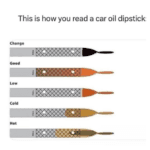
Oil should be amber or light brown. If it’s black and thick, it’s time for a change. Experts recommend checking oil at least once a month.
Tools You Need to Add Oil
Adding oil requires only a few basic items:
- Correct engine oil type
- Funnel
- Clean cloth or rag
- Gloves (optional)
- Owner’s manual
These tools make the process cleaner and easier.
Step-by-Step: How To Add Oil To Your Car
Follow these steps carefully.
Step 1: Park on a Flat Surface
Make sure your car is parked on level ground. This ensures an accurate oil reading. Turn off the engine and allow it to cool for 5–10 minutes.
Step 2: Open the Hood
Locate the hood release lever inside your car, usually near the driver’s seat. Lift the hood and secure it with the support rod.
Step 3: Locate the Oil Dipstick
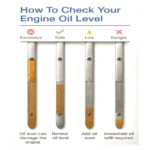
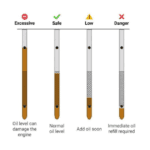
The dipstick usually has a yellow or orange handle. Pull it out and wipe it clean with a rag. Insert it back fully, then pull it out again to check the level. You will see two marks:
- MIN
- MAX
If the oil level is near or below MIN, you need to add oil.
Step 4: Find the Oil Filler Cap
Look for a cap on top of the engine labeled “Oil” or showing an oil can symbol. Unscrew the cap.
Step 5: Add Oil Slowly
Place a funnel in the oil opening. Pour a small amount of oil (about half a quart/liter). Avoid overfilling.
Step 6: Recheck the Oil Level
Wait a minute for the oil to settle. Check the dipstick again. If needed, add more oil gradually until the level reaches between MIN and MAX.
Step 7: Replace Cap and Close Hood
Tighten the oil cap securely.
Close the hood properly.
You’re done!
Comparison Table: Types of Engine Oil
| Oil Type | Best For | Pros | Cons |
| Conventional Oil | Older engines | Affordable, widely available | Shorter lifespan |
| Synthetic Oil | Modern engines | Best performance, longer life | Higher cost |
| Synthetic Blend | Daily drivers | Balance of price and performance | Not as durable as a full synthetic |
| High-Mileage Oil | Cars over 75,000 miles | Helps reduce leaks and wear | Slightly more expensive |
Choosing the right oil depends on your engine type, mileage, and climate.
My Personal Experience Adding Oil
The first time I added oil to my car, I was nervous about doing something wrong. But after checking the owner’s manual and watching a quick tutorial, I realized how straightforward it was.
What surprised me most was how much smoother the engine felt afterward. The ticking noise I had heard disappeared, and the car ran noticeably quieter.
Since then, checking and topping off oil has become part of my monthly car maintenance routine. I also learned an important lesson: never ignore the oil light.
Buyer’s Guide: Choosing the Right Engine Oil
Buying engine oil can feel confusing because there are many options. Here’s how to pick the right one.
1. Check the Owner’s Manual
Your car manufacturer specifies the correct oil type. Look for information like:
- 5W-30
- 10W-40
- 0W-20
This number refers to the oil viscosity.
2. Understand Oil Viscosity
Viscosity measures how thick the oil is. Example:
5W-30
- 5W = winter cold performance
- 30 = thickness at high temperature
Lower numbers work better in cold climates.
3. Choose Synthetic or Conventional
Synthetic oil offers better performance and lasts longer. Conventional oil is cheaper but requires more frequent changes.
4. Consider Climate Conditions
Hot climates benefit from thicker oils. Cold regions require thinner oils for easier starts.
5. Look for Certification Labels
Quality oils have certifications such as:
- API
- ILSAC
These ensure engine protection standards.
Tips for Maintaining Proper Oil Levels
Follow these habits to keep your engine healthy.
Check Oil Monthly
Regular checks prevent engine damage.
Change Oil on Schedule
Most vehicles need oil changes every 5,000–10,000 miles.
Watch for Leaks
Oil spots under your car could indicate leaks.
Use Quality Oil
Cheap oil may break down faster.
Don’t Overfill
Too much oil can cause engine problems.
Common Mistakes When Adding Oil
Avoid these mistakes.
Adding Too Much Oil
Overfilling can damage seals and gaskets.
Using the Wrong Oil Type
Incorrect viscosity may reduce engine protection.
Ignoring Dirty Oil
Sometimes oil needs a full change instead of topping off.
Forgetting to Check the Dipstick
Always verify the level after adding oil.
When You Should Not Add Oil Yourself
Sometimes adding oil isn’t enough. You should visit a mechanic if:
- Oil level drops frequently
- Oil looks milky or foamy
- The engine smokes excessively
- Oil warning light stays on
These signs may indicate deeper issues.
How Often Should You Check Engine Oil?
Experts recommend checking oil:
- Once a month
- Before long road trips
- After the engine warning lights appear
Regular checks take less than two minutes but can prevent thousands of dollars in repairs.
Environmental Tips for Engine Oil
Used engine oil can harm the environment. Always:
- Dispose of oil at recycling centers
- Never pour oil down drains
- Store oil containers safely
Recycling used oil helps protect ecosystems.
Read More: Can A Bad Coil Pack Cause a Car Not To Start
FAQs: How To Add Oil To Car
1. Can I add oil while the engine is hot?
It’s best to wait until the engine cools slightly to avoid burns and inaccurate readings.
2. How much oil should I add?
Add small amounts at a time (about half a quart) and recheck with the dipstick.
3. What happens if I overfill the oil?
Too much oil can cause foaming, pressure buildup, and engine damage.
4. Can I mix different brands of oil?
Yes, as long as the viscosity and type match.
5. How long does adding oil take?
Usually 5–10 minutes.
6. Do all cars use the same oil?
No. Always follow your vehicle manufacturer’s specifications.
7. What color should engine oil be?
Fresh oil is amber. Dark oil indicates it may need changing.
8. Is synthetic oil worth it?
Yes. It lasts longer and provides better protection, especially for modern engines.
9. What if my oil light stays on after adding oil?
Stop driving and have the vehicle inspected immediately.
10. Can low oil damage the engine?
Yes. Severe engine damage can occur if oil levels drop too low.
Final Thoughts
Learning how to add oil to your car is one of the easiest and most valuable skills for any driver. It takes only a few minutes but can dramatically extend your engine’s lifespan.
By checking oil regularly, using the right type, and adding it properly, you can keep your vehicle running smoothly for years.
Car maintenance doesn’t always require a mechanic. Sometimes, a simple check under the hood can make all the difference.