If you’ve ever peeked under the hood of an older car or watched someone tune an engine, you’ve probably heard the word carburetor thrown around. It sounds technical, maybe even intimidating, but at its core, a carburetor does something surprisingly simple… and incredibly important.
A carburetor is the part of a gasoline engine that mixes air and fuel in the right ratio so your engine can run smoothly. That’s it. But like many “simple” things in engineering, the details and the impact are huge.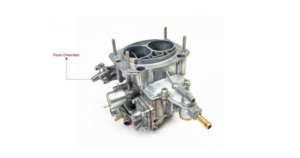 Even though modern cars have mostly switched to fuel injection systems, carburetors still hold a special place in automotive history and are still widely used in motorcycles, small engines, and classic cars.
If you’re curious about how engines breathe, perform, and even “feel,” understanding the carburetor is a great place to start.
What a Carburetor Actually Does (In Plain Terms)
Think of your engine like a fire. To keep that fire going, you need:
- Fuel (gasoline)
- Oxygen (air)
- A spark (from spark plugs)
The carburetor is responsible for getting just the right mix of fuel and air into the engine. Too much fuel? The engine floods. Too much air? It runs weakly or stalls.
Core Functions:
- Mixes air and fuel
- Regulates engine speed
- Controls fuel delivery based on throttle input
- Helps start the engine (via choke mechanism)
How It Works (Simplified)
Here’s a step-by-step breakdown:
- Air enters through the air filter
- It passes through a narrow section called the venturi
- This creates a pressure drop that pulls fuel into the airflow
- Fuel and air mix together
- The mixture goes into the engine cylinders and ignites
That’s the magic: a mechanical system using airflow physics to deliver fuel, no computers needed.
My Personal Take: Driving With a Carburetor
Driving a carbureted vehicle feels… different. There’s a rawness to it. You can actually feel how the engine responds.
- Cold starts require a bit more patience
- Throttle response can feel more “connected.”
- You sometimes need to tweak things manually.
It’s less convenient but more engaging. If modern cars feel like smartphones, carbureted cars feel like vintage cameras: manual, imperfect, but satisfying.
Carburetor vs Fuel Injection (Comparison Table)
| Feature | Carburetor | Fuel Injection |
| Technology Type | Mechanical | Electronic |
| Fuel Efficiency | Lower | Higher |
| Maintenance | Frequent tuning needed | Minimal |
| Cold Start | Harder (needs choke) | Easy (automatic adjustment) |
| Cost | Cheaper upfront | More expensive |
| Performance | Less precise | Highly optimized |
| Repairability | Easy DIY fixes | Requires specialized tools |
| Driving Feel | Raw and responsive | Smooth and consistent |
| Common Usage | Older cars, small engines | Modern vehicles |
Types of Carburetors
Not all carburetors are the same. Here are the main types:
1. Single Barrel Carburetor
- Basic design
- Found in small engines
- Easy to maintain
2. Double-Barrel Carburetor
- Better airflow
- More power
- Common in mid-range vehicles
3. Four-Barrel Carburetor
- High performance
- Used in muscle cars
- Delivers serious fuel when needed
4. Side Draft vs Down Draft
- Refers to airflow direction
- Affects engine design and performance
Common Carburetor Problems (And What They Feel Like)
If something goes wrong, you’ll usually notice:
Symptoms:
- Rough idling
- Engine stalling
- Poor fuel economy
- Black smoke (too much fuel)
- Hard starting
Causes:
- Dirty jets
- Clogged passages
- Misadjusted float
- Vacuum leaks
The good news? Most of these are fixable with basic tools and patience.
Buyer’s Guide: Should You Get a Carbureted Engine?
If you’re considering a carbureted vehicle or engine, here’s what to think about:
✅ Good For:
- Classic car enthusiasts
- DIY mechanics
- Budget builds
- Learning engine basics
❌ Not Ideal For:
- Daily commuting
- Fuel efficiency concerns
- Low-maintenance expectations
What to Look For When Buying:
1. Condition
- Check for leaks
- Look for corrosion
- Ensure smooth throttle movement
2. Compatibility
- Match with your engine size
- Ensure proper mounting type
3. Brand Reputation
- Reliable brands matter
- Avoid cheap, poorly built units
4. Ease of Adjustment
- Look for accessible screws and parts
- Simpler designs are easier to tune
Pro Tip:
If you’re new, start with a simple single or dual-barrel carburetor before jumping into performance models.
Carburetor Maintenance Tips
Keeping a carburetor happy isn’t hard; it just needs attention.
Basic Maintenance:
- Clean regularly
- Use quality fuel
- Replace gaskets when needed
- Adjust idle and mixture screws
How Often?
- Light use: once a year
- Heavy use: every few months
Why Carburetors Still Exist
Even in a world of advanced electronics, carburetors haven’t disappeared.
Here’s why:
- Simplicity
- Low cost
- Easy repair
- No need for sensors or ECUs
They’re still widely used in:
- Lawn mowers
- Motorcycles
- Generators
- Classic cars
Deep Dive: Why Air-Fuel Ratio Matters
The ideal ratio is about 14.7:1 (air to fuel). Too rich (more fuel):
- More power
- More emissions
- Wasted fuel
Too lean (more air):
- Better efficiency
- Risk of engine damage
Carburetors aim to balance this, but not as precisely as fuel injection.
Carburetor vs Modern Tech: The Emotional Factor
Let’s be honest, this isn’t just about function. Carburetors appeal to people who:
- Like working with their hands
- Enjoy mechanical systems
- Want control over their engine
There’s something satisfying about tuning your engine and feeling the difference immediately.
Read More: Where Is The Fuel Tank On A Car
FAQs: What Does A Car Carburetor Do
1. What is the main job of a carburetor?
To mix air and fuel in the correct ratio for combustion.
2. Are carburetors still used today?
Yes, mostly in small engines and older vehicles.
3. Why did cars stop using carburetors?
Fuel injection is more efficient, reliable, and environmentally friendly.
4. Can I replace a carburetor with fuel injection?
Yes, but it can be expensive and complex.
5. How do I know if my carburetor is bad?
Look for rough idling, stalling, or poor fuel economy.
6. Is it hard to clean a carburetor?
Not really, basic tools and a cleaning kit are usually enough.
7. Do carburetors improve performance?
In some cases, especially in tuned or classic engines.
8. What happens if the carburetor is dirty?
Fuel flow gets restricted, causing poor engine performance.
Final Thoughts
Carburetors might seem outdated, but they’re far from irrelevant. They represent a time when machines were more mechanical, more hands-on, and arguably more fun.
If you value simplicity, control, and a deeper connection to how your engine works, a carburetor offers something modern systems just don’t.
But if you want convenience, efficiency, and reliability? Fuel injection wins by no contest. It really comes down to what kind of driver or tinkerer you are.