If you’ve ever pulled into a gas station and had to awkwardly stretch the fuel hose across your car, you’ve probably wondered: “Why isn’t the fuel tank always in the same place?”
It’s one of those small details that seems trivial until it suddenly isn’t. Whether you’re a new driver, buying your first car, or just curious, understanding where a car’s fuel tank is located can save time, prevent mistakes, and even improve safety.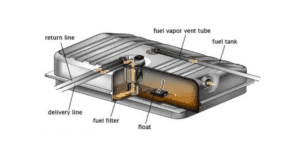 From my own experience switching between different cars over the years, I’ve learned this the hard way. One car had the fuel cap on the left, another on the right, and one older SUV even had a surprisingly hidden filler under a flap near the license plate.
That confusion at the pump? Very real. This guide breaks everything down in a simple, engaging way so next time you fuel up, you’ll know exactly what’s going on.
Where Is the Fuel Tank on a Car?
Let’s start with the basics. The fuel tank itself is usually located underneath the rear section of the vehicle, typically:
- Beneath the rear seats
- Under the trunk floor
- Between the rear wheels
This placement is intentional. Engineers design it this way for safety, balance, and space efficiency.
Why the Rear?
- Crash Safety: Keeps the tank away from engine heat and front-end collisions
- Weight Distribution: Helps maintain balance for smoother driving
- Space Optimization: Frees up room under the hood
What About the Fuel Door (Fuel Cap)?
Here’s where things get interesting and where most confusion happens. The fuel filler door (where you actually pump gas) is typically:
- On the left (driver’s side) OR
- On the right (passenger side)
There’s no universal standard; it depends on the manufacturer.
Quick Comparison Table: Fuel Tank vs Fuel Door Location
| Feature | Typical Location | Purpose | Why It Matters |
| Fuel Tank | Rear underside of the car | Stores fuel | Safety & balance |
| Fuel Filler Door | Left or right rear side | Access point for refueling | Convenience |
| Fuel Line | Runs from the tank to the engine | Delivers fuel | Performance |
| Fuel Pump | Inside tank | Pumps fuel to the engine | Efficiency |
Left vs Right: Which Side Is Better?
This is a surprisingly debated topic.
Left-Side Fuel Door (Driver Side)
Pros:
- Easier to access when driving alone
- You can monitor fueling directly
- More convenient in countries with right-hand traffic
Cons:
- May cause congestion at pumps in busy areas
Right-Side Fuel Door (Passenger Side)
Pros:
- Often less crowded at gas stations
- Safer when refueling on the roadside (keeps you away from traffic)
Cons:
- Less intuitive for drivers
- Harder to monitor while pumping
My Take (Personal Review)
After driving both types, I’ve found that right-side fuel doors are underrated.
At busy gas stations, I often notice shorter lines on the “opposite side” pumps. Once you get used to it, it actually feels more efficient and sometimes safer, especially if you’re parked roadside.
How to Instantly Know Which Side Your Fuel Door Is On
Here’s a simple trick many drivers don’t know:
👉 Look at your fuel gauge on the dashboard.
There’s usually a small arrow next to the fuel icon.
- Arrow pointing left → fuel door is on the left
- Arrow pointing right → fuel door is on the right
This tiny detail has saved me countless awkward moments at gas stations.
Do All Cars Have the Same Fuel Tank Design?
Not at all. The design varies based on the type of vehicle.
Sedans
- Tank located under rear seats
- Compact and efficient
SUVs & Trucks
- Larger tanks
- Often mounted slightly lower for capacity
Hatchbacks
- Similar to sedans but more compact
Sports Cars
- May have central or custom placement for balance
Electric Cars (Bonus Insight)
Electric vehicles don’t have fuel tanks, but they do have charging ports that can be in similar locations.
Buyer’s Guide: What to Consider About Fuel Tank Location
When buying a car, fuel tank placement might not be your first concern, but it should at least be on your checklist.
1. Convenience
Think about your daily routine:
- Do you frequently visit crowded fuel stations?
- Do you prefer driver-side access?
2. Safety
If you often park roadside:
- Passenger-side fuel doors are generally safer
3. Tank Capacity
Larger tanks mean:
- Fewer refueling stops
- Longer trips without interruption
4. Vehicle Type
- SUVs and trucks offer bigger tanks
- Smaller cars are more fuel-efficient
5. Accessibility
Some cars have:
- Capless fuel systems
- Hidden or locked fuel doors
Common Mistakes People Make
Let’s be honest, we’ve all been there.
1. Pulling Up on the Wrong Side
Happens more often than you’d think.
2. Stretching the Hose Across the Car
Not ideal and sometimes risky.
3. Not Knowing the Arrow Trick
This one’s a game-changer.
Fuel Tank Safety: What You Should Know
Modern cars are designed with safety in mind, but here are a few key facts:
- Fuel tanks are made from high-strength plastic or metal
- They’re positioned to minimize damage during crashes
- Most include anti-leak systems
Long Expansion: A Deeper Look at Fuel Tank Engineering
Fuel tank placement isn’t random; it’s the result of decades of automotive engineering evolution.
Historical Perspective
Older cars often had:
- Rear-mounted tanks near bumpers
- Less protection
Modern vehicles have shifted toward:
- Centralized rear positioning
- Reinforced shielding
Engineering Priorities
1. Crash Protection
Fuel tanks are placed away from:
- Crumple zones
- High-impact areas
2. Heat Management
Keeping fuel away from the engine reduces:
- Evaporation
- Fire risk
3. Weight Distribution
A well-placed tank improves:
- Handling
- Stability
Real-World Driving Impact
You might not notice it daily, but fuel tank placement affects:
- Cornering stability
- Braking balance
- Overall ride comfort
Read More: What Are Coil Packs On A Car
FAQs: Where Is The Fuel Tank On A Car
1. Is the fuel tank always at the back?
Yes, in most modern cars, it’s located near the rear for safety and balance.
2. Why isn’t there a standard side for fuel doors?
Manufacturers design based on:
- Market preferences
- Engineering constraints
3. Can I switch the side of my fuel door?
No, it’s built into the car’s design.
4. Is one side safer than the other?
Passenger-side doors can be safer when refueling near traffic.
5. How do I remember my car’s fuel side?
Use the dashboard arrow trick; it’s the easiest method.
6. Do electric cars follow the same design?
No fuel tank,s but charging ports can be placed similarly.
7. Does fuel tank size affect performance?
Indirectly, larger tanks add weight but increase range.
Final Thoughts
The location of your car’s fuel tank might seem like a small detail,l but it’s actually a carefully engineered feature that impacts safety, convenience, and performance.
From personal experience, once you understand how it all works, you’ll never second-guess yourself at a gas station again.
And honestly? That small moment of confidence when you pull up on the correct side every time feels pretty great.