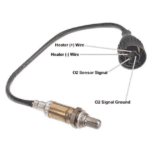
A few years ago, my car suddenly started burning more fuel than usual. My gas mileage dropped, the engine felt rough, and then the dreaded check engine light appeared on my dashboard.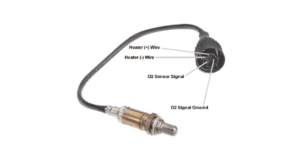 At first, I assumed it was a major engine problem. I imagined expensive repairs, dealership visits, and a drained wallet. But after running a diagnostic scan, the mechanic pointed to something surprisingly small: the oxygen sensor (O2 sensor).
I remember asking him: “What does the O2 sensor actually do in a car?” That simple question led me down a rabbit hole of learning how critical this little component really is.
After replacing mine, fuel efficiency improved, engine performance stabilized, and emissions problems disappeared.
What Is an O2 Sensor?
An oxygen sensor, often called an O2 sensor, measures how much oxygen remains in your vehicle’s exhaust gases after combustion.
It sends this information to the vehicle’s Engine Control Unit (ECU), which adjusts:
- Fuel injection
- Air-fuel ratio
- Engine timing
- Emissions control
- Catalytic converter performance
Its primary goal is to ensure your engine burns fuel efficiently. Without a functioning O2 sensor, your car may:
- Waste fuel
- Produce more emissions
- Run rough
- Trigger warning lights
- Damage the catalytic converter
Where Is the O2 Sensor Located?
Most vehicles have multiple oxygen sensors. They are usually found:
Upstream O2 Sensor
Located before the catalytic converter.
Downstream O2 Sensor
Located after the catalytic converter.
Modern Vehicles
May have 4 or more sensors, depending on engine design. For example:
- 4-cylinder cars: Usually 2 sensors
- V6 engines: Usually 3–4 sensors
- V8 engines: Often 4+ sensors
What Does the O2 Sensor Actually Do?
Here’s the simple explanation:
The engine burns fuel and air.
The O2 sensor checks the amount of oxygen remaining in the exhaust gases.
The ECU uses that data to determine if the engine is running:
Too Rich
Too much fuel
Too Lean
Too much air
The computer constantly adjusts fuel delivery based on O2 sensor readings.
This process helps maintain the ideal air-fuel ratio of approximately:
14.7:1
That ratio helps engines run efficiently while reducing pollution.
Why O2 Sensors Are Important
I learned the hard way that ignoring O2 sensor issues creates bigger problems. They help improve:
Fuel Economy
Better fuel management means fewer trips to the gas station.
Engine Performance
Smooth acceleration and idling.
Emissions
Helps your vehicle pass emissions tests.
Catalytic Converter Protection
Prevents overheating and damage.
Check Engine Diagnostics
Provides critical ECU data.
Symptoms of a Bad O2 Sensor
These were the exact warning signs I experienced:
Poor Gas Mileage
Fuel consumption increased dramatically.
Check Engine Light
Most common symptom.
Rough Idling
The engine felt unstable.
Failed Emissions Test
Common in many states.
Rotten Egg Smell
Catalytic converter issues may develop.
Sluggish Acceleration
Engine performance drops.
O2 Sensor Types Comparison
| Type | Common Use | Lifespan | Cost |
| Heated O2 Sensor | Most modern cars | 60,000–100,000 miles | $50–$250 |
| Unheated O2 Sensor | Older vehicles | 30,000–50,000 miles | $30–$100 |
| Wideband Sensor | Performance vehicles | 100,000 miles | $100–$400 |
| OEM Sensor | Factory replacement | Long lifespan | Higher cost |
| Aftermarket Sensor | Budget replacement | Varies | Lower cost |
What Causes O2 Sensor Failure?
Mechanics explained several common causes:
- Carbon buildup
- Oil contamination
- Coolant leaks
- Age and wear
- Poor fuel quality
- Exhaust leaks
How Much Does O2 Sensor Replacement Cost?
My repair bill looked like this:
| Service | Average Cost |
| Sensor Part | $50–$300 |
| Labor | $80–$250 |
| Full Replacement | $130–$550 |
Luxury vehicles may cost more.
Can You Drive With a Bad O2 Sensor?
Technically yes. But it’s risky because:
- Fuel costs increase
- Emissions rise
- Catalytic converter damage may occur
- Engine performance suffers
I drove mine for a few weeks and regretted waiting.
DIY Replacement Experience
I tried replacing one myself. Tools needed:
- O2 sensor socket
- Ratchet
- Jack stands
- Penetrating oil
- Safety gloves
The hardest part was removing a seized sensor. If you’re not comfortable working under a car, let a mechanic handle it.
OEM vs Aftermarket O2 Sensors
I debated this for days.
OEM Sensors
Pros:
- Perfect fit
- Better reliability
- Longer lifespan
Cons:
- Expensive
Aftermarket Sensors
Pros:
- Affordable
- Easy to find
Cons:
- Quality varies
I personally went with OEM.
Buyer’s Guide: Choosing the Right O2 Sensor
Before buying:
Confirm Compatibility
Match your car’s make/model/year.
Check Sensor Position
Upstream vs downstream matters.
Choose Trusted Brands
Popular options include:
Bosch
Denso
NGK
ACDelco
Review Warranty
Longer warranties are better.
Read Reviews
Look for real-world feedback.
How Long Do O2 Sensors Last?
Most last:
60,000–100,000 miles
Driving habits affect lifespan.
Read More: How To Read an Engine Oil Dipstick
FAQs: What Does The O2 Sensor Do In A Car
Can a bad O2 sensor ruin an engine?
Usually, no, but it can damage the catalytic converter.
How many O2 sensors does a car have?
Most cars have 2–4.
Can I clean an O2 sensor?
Sometimes, but replacement is often better.
Will a bad O2 sensor cause misfires?
It can contribute to poor engine performance.
Does the O2 sensor affect gas mileage?
Yes significantly.
How long does replacement take?
Usually 30 minutes to 2 hours.
Can I replace it myself?
Yes, with proper tools.
Will it turn off the check engine light?
Usually, after replacement and code clearing.
Are aftermarket sensors reliable?
Some are excellent, but OEM often lasts longer.
What happens if I ignore it?
Higher fuel bills and possible catalytic converter damage.
My Final Thoughts
I underestimated how important an oxygen sensor was until mine failed. It’s a relatively affordable repair that can dramatically improve:
- Fuel economy
- Engine performance
- Emissions compliance
- Overall drivability
If your check engine light is on and fuel mileage drops, don’t ignore your O2 sensor.