If you’ve ever turned the key (or pushed the start button) and your car just cranks and cranks but refuses to fire up, there’s a good chance your fuel pump might be the culprit.
I’ve been there late for work, battery strong, engine turning over, but no fuel reaching the engine. Frustrating doesn’t even begin to describe it. A failing fuel pump doesn’t always mean your car is completely dead.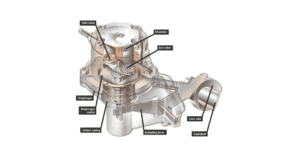 In many cases, you can temporarily start or revive the vehicle just long enough to get it to a repair shop. But here’s the thing: these are short-term tricks, not permanent fixes. In this guide, I’ll walk you through:
- Practical methods to start a car with a bad fuel pump
- Real-world tips that actually work
- A comparison of emergency techniques
- A buyer’s guide for replacement pumps
- A deep dive into fuel pump failures
- FAQs and expert insights
Let’s get into it.
Quick Comparison: Ways to Start a Car with a Bad Fuel Pump
| Method | Difficulty | Effectiveness | Tools Needed | Risk Level | Best For |
| Tapping the fuel tank | Easy | Medium | None / small tool | Low | Temporary pump revival |
| Using starting fluid | Medium | High (short burst) | Starting fluid spray | Medium | Emergency starts |
| Ignition cycling | Easy | Low–Medium | None | Low | Weak pumps |
| Checking fuel relay/fuse | Easy | Medium | Basic tools | Low | Electrical issues |
| External fuel source | Hard | High | Advanced setup | High | Experienced users only |
What Happens When a Fuel Pump Goes Bad?
The fuel pump’s job is simple but critical: deliver fuel from the tank to the engine at the right pressure. When it starts failing, you might notice:
- The engine cranks but won’t start
- Sudden stalling
- Loss of power under load
- Whining noise from the tank
- Difficulty starting when hot
In my experience, the worst part is that failure isn’t always instant; it often degrades slowly, leaving you guessing.
How To Start A Car With A Bad Fuel Pump (Step-by-Step Methods)
1. The “Tap the Fuel Tank” Trick (Old-School but Effective)
This is probably the most well-known trick, and surprisingly, it works more often than you’d expect.
How to do it:
- Locate the fuel tank (usually under the rear of the car)
- Use a rubber mallet or even a shoe
- Gently tap the tank while someone cranks the engine
Why it works:
Sometimes the fuel pump gets stuck. Tapping can temporarily free the internal motor.
My take:
I’ve personally used this trick twice. It worked once, got me home, and saved me a tow bill.
⚠️ Warning: Don’t hit too hard, you don’t want to damage the tank.
2. Use Starting Fluid (Fastest Emergency Method)
Starting fluid can help your engine fire up even if fuel isn’t reaching it properly.
Steps:
- Open the air intake
- Spray a small amount of starting fluid
- Immediately try starting the car
What happens:
The engine runs briefly on the fluid, which may help the fuel pump “kick in.”
Real-world insight:
This is your best bet if you’re stranded, but it’s not something you should rely on repeatedly.
⚠️ Caution: Too much starting fluid can damage the engine.
3. Cycle the Ignition Key
Sometimes, a weak fuel pump can still build pressure if given multiple chances.
How:
- Turn the key to “ON” (not start)
- Wait 3–5 seconds
- Turn off
- Repeat 3–5 times
- Try starting
Why it works:
Each cycle primes the fuel system slightly.
Experience note:
This works best when the pump is failing, not completely dead.
4. Check the Fuel Pump Relay and Fuse
Before assuming the pump is bad, check the electrical components.
Steps:
- Locate the fuse box
- Inspect the fuel pump fuse
- Swap the relay with a similar one
Why:
Sometimes the issue isn’t the pump, it’s the power supply.
5. Apply Direct Power to the Fuel Pump (Advanced)
This is more technical and not for beginners.
What it involves:
- Running power directly to the pump
- Bypassing the car’s wiring
When to use:
- Diagnosing the pump
- Emergencies
⚠️ Warning: Incorrect wiring can cause serious damage or fire risk.
Real-Life Scenario: What Actually Worked for Me
One evening, my car refused to start in a parking lot. After ruling out the battery, I tried:
- Ignition cycling → no luck
- Tapping tank → slight sputter
- Starting fluid → engine fired
That combo got me moving just enough to reach a mechanic. Diagnosis? Failing fuel pump motor.
Buyer’s Guide: Choosing the Right Fuel Pump Replacement
If your pump is failing, replacement is inevitable. Here’s how to choose wisely.
1. OEM vs Aftermarket
- OEM (Original Equipment Manufacturer)
- Perfect fit
- More expensive
- Aftermarket
- Cheaper
- Quality varies
👉 My advice: Go OEM if you plan to keep the car long-term.
2. Electric vs Mechanical Pumps
- Most modern cars use electric fuel pumps
- Older cars may use mechanical pumps
Make sure you match your vehicle type.
3. Compatibility
Always check:
- Make and model
- Engine size
- Year
Wrong fit = wasted money.
4. Build Quality
Look for:
- Strong housing
- Good warranty
- Trusted brand
Cheap pumps often fail quickly learn from my mistake.
5. Price Range
| Type | Average Cost |
| Budget aftermarket | $50 – $150 |
| Mid-range | $150 – $300 |
| OEM premium | $300 – $800+ |
Deep Dive: Why Fuel Pumps Fail
Fuel pumps don’t just “die”; they usually fail due to:
1. Running on Low Fuel
Fuel cools the pump. Constant low fuel = overheating.
2. Contaminated Fuel
Dirt and debris clog the system.
3. Electrical Issues
Bad wiring or relays can kill the pump prematurely.
4. Age and Wear
Like any component, it simply wears out.
Prevention Tips (Save Yourself the Trouble)
- Keep fuel above 1/4 tank
- Replace the fuel filter regularly
- Use quality fuel
- Address starting issues early
Read More: How Do You Check Transmission
FAQs: How To Start A Car With A Bad Fuel Pump
1. Can I drive with a bad fuel pump?
Yes, but only temporarily. It can fail at any time.
2. How long will a failing fuel pump last?
Anywhere from a few days to a few months, it’s unpredictable.
3. Will a bad fuel pump throw a code?
Sometimes, but not always. That’s what makes diagnosis tricky.
4. Can a fuel pump fail suddenly?
Yes. Especially if it overheats or if an electrical failure occurs.
5. Is it expensive to fix?
Including labor, expect $300–$1000+, depending on the car.
6. What sound does a bad fuel pump make?
A whining or buzzing noise from the fuel tank area.
7. Can I fix a fuel pump myself?
Possible, but often difficult especially in modern cars.
8. Does tapping the tank always work?
No but it’s worth trying in emergencies.
Final Thoughts
Starting a car with a bad fuel pump is absolutely possible, but only as a temporary workaround. From my experience, tricks like tapping the tank or using starting fluid can buy you time, but they won’t solve the underlying issue.
If your car shows consistent symptoms, don’t delay; replace the pump before you get stranded in a worse situation. Think of these methods as survival tactics, not solutions.