Your car’s transmission is one of the most important parts of the vehicle. Without it, the engine’s power cannot reach the wheels. Whether you drive an automatic or manual vehicle, understanding how to check your transmission can save you thousands of dollars in repairs.
Many people ignore transmission problems until the vehicle stops working properly. However, early detection of transmission issues is much easier than most drivers think. In this guide, I’ll walk you through how to check your transmission, share personal insights, compare different inspection methods, and explain what tools or products might help you maintain your vehicle.
By the end of this article, you’ll feel confident about checking your transmission and spotting problems before they become serious.
Why Checking Your Transmission Matters
When I bought my first used car, I didn’t think much about the transmission. The engine sounded fine, and the car looked good. But after a few months, I started noticing strange shifting and delayed acceleration.
The repair cost?
Almost $1,800.
If I had checked the transmission earlier, I could have caught the problem when it was just low fluid.
Your transmission works under extreme pressure and heat. Without regular checks, small issues can quickly turn into major repairs.
Checking your transmission helps you:
- Prevent expensive repairs
• Improve fuel efficiency
• Extend the lifespan of your car
• Detect leaks early
• Ensure smooth driving
Types of Transmissions You Might Have
Before checking your transmission, it’s important to know what type your car has.
Automatic Transmission
Most modern cars use automatic transmissions that shift gears automatically.
Manual Transmission
Manual transmissions require the driver to shift gears using a clutch.
CVT Transmission
A Continuously Variable Transmission (CVT) uses belts and pulleys instead of gears.
Each type has slightly different maintenance requirements.
Signs Your Transmission Might Have Problems
Before physically checking your transmission, your car may already be giving warning signs.
Look out for these symptoms:
Delayed Gear Shifting
If your car hesitates before shifting gears, the transmission may be struggling.
Burning Smell
Overheated transmission fluid produces a burnt smell.
Grinding or Shaking
Unusual noises while shifting gears can indicate worn parts.
Fluid Leaks
Transmission fluid is usually red or pink.
Check Engine Light
Modern vehicles often detect transmission problems electronically.
If you notice any of these symptoms, checking the transmission should be your next step.
Step-by-Step: How to Check Transmission Fluid
The easiest way to check your transmission health is by inspecting the fluid.
Follow these steps.
Step 1: Park the Car on Level Ground
Make sure your vehicle is parked on a flat surface and the parking brake is engaged.
Step 2: Warm the Engine
Start the engine and let it run for about 5 minutes. Transmission fluid should be warm when checked.
Step 3: Locate the Transmission Dipstick
The dipstick is usually found near the back of the engine bay.
It often has a red or orange handle.
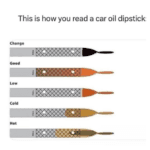
Step 4: Remove and Clean the Dipstick
Pull it out and wipe it with a clean cloth.
Step 5: Reinsert and Check the Level
Put it back in fully and remove it again.
Check where the fluid reaches on the dipstick markings.
Step 6: Inspect Fluid Color
Healthy transmission fluid should be:
- Bright red or pink
• Smooth
• Free from debris
If the fluid looks dark, brown, or smells burnt, it may need replacement.
Transmission Inspection Methods Comparison
| Inspection Method | Difficulty | Time Required | Accuracy | Best For |
| Checking Transmission Fluid | Easy | 5 minutes | Medium | Quick home inspection |
| Road Test | Easy | 10 minutes | Medium | Detecting shifting problems |
| OBD Diagnostic Scan | Moderate | 10 minutes | High | Modern vehicles |
| Professional Mechanic Inspection | Hard (DIY) | 1 hour | Very High | Serious issues |
Each method provides different insights into transmission health.
Method 1: Road Test Your Transmission
Sometimes problems only appear while driving.
During a test drive, pay attention to:
- Smooth gear shifts
• No delays when accelerating
• No unusual noises
• No jerking or slipping
If shifting feels rough, the transmission may require service.
Method 2: Check for Transmission Leaks
Leaks are one of the most common transmission problems.
Look under the vehicle for fluid spots.
Transmission fluid is usually:
- Red
• Pink
• Slightly oily
If you see fluid near the middle of the car, a leak could be developing.
Method 3: Use an OBD Scanner
Modern vehicles store diagnostic codes when problems occur.
An OBD scanner can read these codes.
Transmission related codes often start with:
P0700
P0715
P0720
These codes can help identify problems before they become severe.
Method 4: Listen for Unusual Sounds
Healthy transmissions are relatively quiet.
Common warning sounds include:
- Grinding
• Whining
• Clunking during shifts
These noises often indicate worn gears or low fluid levels.
Tools That Help Check Transmission
If you want to perform a thorough inspection, a few simple tools can help.
- OBD2 Scanner
• Clean rag or cloth
• Flashlight
• Transmission fluid funnel
• Gloves
These tools make the inspection easier and safer.
Transmission Maintenance Tips
Regular maintenance can significantly extend transmission life.
Here are a few tips I always follow with my own vehicles.
Change Transmission Fluid Regularly
Most manufacturers recommend fluid changes every 30,000 to 60,000 miles.
Avoid Aggressive Driving
Rapid acceleration increases transmission stress.
Let the Engine Warm Up
Cold fluid doesn’t lubricate components effectively.
Fix Small Issues Early
Ignoring minor symptoms often leads to major repairs.
Transmission Problems and Repair Costs
Transmission repairs are among the most expensive vehicle repairs.
Typical costs include:
| Repair Type | Average Cost |
| Fluid Change | $80 – $250 |
| Transmission Flush | $150 – $400 |
| Solenoid Replacement | $300 – $700 |
| Transmission Rebuild | $1,500 – $3,500 |
| Full Replacement | $3,000 – $6,000 |
This is why routine checks are extremely valuable.
Buyer’s Guide: Transmission Maintenance Tools
If you’re serious about maintaining your vehicle, investing in a few basic tools is a good idea.
OBD2 Scanner
A scanner reads error codes stored by your car’s computer.
Good scanners provide real-time engine and transmission data.
Transmission Fluid Tester
These kits check fluid condition and contamination levels.
Inspection Mirror
Helps you see hard-to-reach areas under the engine.
Car Ramps or Jack Stands
Useful if you need to inspect underneath the vehicle safely. When choosing tools, prioritize:
- Accuracy
• Durability
• Ease of use
• Compatibility with your vehicle
These tools can quickly pay for themselves by preventing expensive repairs.
Common Transmission Myths
Many drivers misunderstand how transmissions work. Let’s clear up a few common myths.
Myth: Transmission Fluid Never Needs Changing
This is false. Even “lifetime fluid” eventually degrades.
Myth: Only High-Mileage Cars Have Transmission Problems
Poor maintenance can cause problems even in newer vehicles.
Myth: Dark Fluid Is Always Normal
Dark fluid usually means the fluid is old or overheated.
When You Should See a Mechanic
While basic checks are easy, some situations require professional help. Seek a mechanic if you notice:
- Constant slipping gears
• Strong burning smells
• Loud grinding noises
• Transmission warning lights
Professionals can perform pressure tests and internal inspections.
Read More: What Does A Gearbox Do In A Car
FAQs: How Do You Check Transmission
How often should I check my transmission?
Most experts recommend checking transmission fluid once a month.
What color should transmission fluid be?
Healthy fluid is usually bright red or pink.
Dark brown fluid indicates aging or overheating.
Can low transmission fluid damage my car?
Yes. Low fluid reduces lubrication and can cause severe internal damage.
Is it safe to drive with transmission problems?
Driving with transmission issues can worsen the damage and increase repair costs.
How long does a transmission last?
With proper maintenance, many transmissions last 150,000 to 300,000 miles.
Final Thoughts
Checking your transmission may sound complicated, but in reality, it’s one of the simplest ways to protect your vehicle. A quick inspection of fluid levels, paying attention during a drive, and watching for leaks can help you detect problems early.
From personal experience, a few minutes spent checking your transmission can prevent thousands of dollars in repairs later. Your car’s transmission works hard every time you drive. Taking care of it is one of the smartest things any car owner can do.