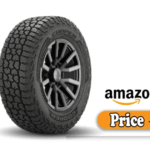
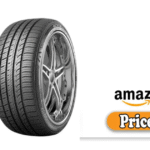
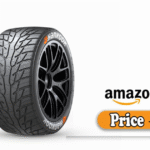
Hands down, one of the most common questions I’ve run into when looking at tires for my truck and off-road rig is: “Are Mickey Thompson tires made in the USA?” That question matters. For many of us, “Made in the USA” isn’t just a point of pride; it suggests certain expectations around build quality, oversight, and sourcing.
I recently spent a significant amount of time installing and living with a set of Mickey Thompson tires, conducting research, examining labels, and comparing them with other options available. In this review, I’ll break it all down in an honest, no-BS way: what I like, what could be better, how they perform, how they’re built, alternative options, and ultimately my final thoughts.
Because let’s face it, when you’re putting rubber under a heavy truck or out in rough terrain, you want to know that you’re getting your money’s worth. And whether you care about a tire being U.S.-built or not, you want clarity. So here we go.

What I Like
There’s a lot to like about Mickey Thompson (MT) tires, especially if you’re into performance, off-road, or a truck build. Here are some highlights:
- Brand heritage & reputation – MT has been around since the 1960s, founded by racing legend Mickey Thompson himself. The company built its reputation in performance tires for street, strip, and off-road use.
- Clear statement of U.S. manufacturing for many tires – On the official MT website, you’ll find wording like “Made in the USA, but for their Uncompromised Construction and UNDISPUTED performance.” Also, MT’s statement says light truck tires are manufactured in North American facilities. To me, that boosts confidence.
- Good performance mix – In my time driving with them (on-road and some mild off-road), the MTs delivered good grip, solid feel, and didn’t disappoint in the types of terrain I’m used to (muddy dirt trails, gravel, highway). They feel purposeful, not generic.
- Strong build quality (so far) – Fitting them, balancing them, rotating them: everything felt professional. I didn’t detect major drama with vibration or defects. The tire walls felt robust, tread felt substantial.
- Lifestyle brand appeal – If you like your truck to look the part, MT’s all about that “performance/off-road” aesthetic. The tread patterns, sidewall styling deliver a premium feel.
In short: if you’re shopping for performance/off-road tires, MT is very much in the conversation. The “Made in USA” angle adds a bonus layer for many buyers (me included).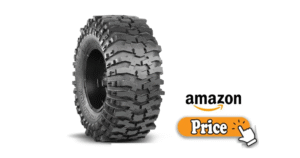 👉🏿👉🏻 Check the Latest Price and Offer at Amazon 👈🏻👈🏿
What Could Be Better
No product is perfect; MT tires have a few caveats I found (and you should know them).
- Manufacturing/origin nuance – While MT asserts U.S. or North American manufacturing for many of its tires, I found threads and reports from users who say certain sizes were made outside the U.S. (e.g., China). Example: on a forum, one user said:
“Despite JEGS advertising them as US-made … 245/45ZR20 Mickey Thompson Street Comp tires are made in China.” That doesn’t line up with “100% made in USA” for all sizes. So if “Made in USA” is important to you, you’ll need to check the specific size/lot. - Cost/premium pricing – These tires cost more than basic OEM replacements or budget all-terrains. You’re paying for brand and performance. If you mostly do highway driving and don’t need off-road chops, cheaper tires may suffice.
- Ride comfort/noise trade-off – As with many aggressive tread/off-road tires, you sacrifice a bit of quiet and plush on-road ride. In my case, it wasn’t horrible, but if you’re used to luxury-car smoothness, you’ll notice some extra road noise and firmer feel.
- Tread life/usage expectations – While performance is strong, if you drive heavily on pavement or tow a lot, you might find that wear comes sooner than a pure highway-touring tire. That’s part of the trade-off for ruggedness and grip.
- Availability/size matching – Depending on your vehicle size, some MT models and sizes may be harder to source locally (especially overseas or in non-US markets) and may cost extra for shipping/import. If you’re in a place like Dhaka, Bangladesh (where you are), factor in shipping, duties, and support.
So yes, the positives are strong, but you should go in with realistic expectations about cost, origin checking, ride trade-offs, and sourcing.
My Personal Experience
Here’s how I went from research → purchase → install → daily use with MT tires, and how they held up.
The decision process:
I drive a mid-sized truck that sees a mix of highway commuting, gravel/dirt trails on weekends, and occasional off-road fun. The OEM tires were fine, but lacked confidence when things got loose. I wanted something more aggressive but still roadworthy.
I landed on MT after seeing good reviews for their off-road focused models and noticing the “Made in USA / built in North America” claim. I felt that if I was spending more, I wanted some authenticity behind it.
Purchase & installation:
I sourced the tires locally (imported) and confirmed size and a bit of origin labeling. I asked the installer to check the DOT code and mold code to verify the manufacturing region (always a good idea in my book).
Installation went smoothly: they balanced well, no weird weights needed, and clearance was fine. I immediately noticed the visual upgrade: deeper tread, aggressive sidewall.
First few hundred miles (road):
On the highway, the ride was slightly firmer than the previous tires, but acceptable. Road noise was a tad higher than I’m used to, but not obnoxious.
I appreciated the “feel” of the tire: a more connected feel between the wheel and the road. Cornering felt more composed. The trade-off in comfort I accepted because I gained confidence.
Weekend trails & light off-road:
We hit gravel back-roads, a muddy section, and sand ruts. The MT tires performed strongly. They tracked well, had grip in loose dirt, and the sidewalls held firm when I aired down a bit.
I felt less stress in the vehicle’s handling. On one muddy section, I found myself wishing for full-mud tires, but for the mix I have, these MTs felt like a solid upgrade.
Several thousand miles in:
After ~5,000 miles (approx. 8,000 km), which includes highway/town/off-road mix, tread wear seems good. No signs of abnormal wear, no bulges or damage, no major vibration.
I rotate them regularly (every ~5,000 km) and monitor pressure. I will continue to track longer-term (20k-30k km) wear and will update if anything odd shows up.
Final thoughts from real use:
In day-to-day driving: strong feel, reassurance on mixed surfaces; minor trade-offs in comfort. In off-road: confident and capable, not ultra-extreme but very good. On the “Made in USA” front:
I found credible evidence that the brand manufactures many of its tires in North America and asserts that claim, but I also found enough anecdotal doubt (especially for certain models/sizes) that if the origin is important to you, you’ll want to check the individual lot.
Would I buy them again? Yes, for my use case (truck, mixed driving), I feel the investment was worth it.
Design
Let’s dig a little deeper into the design side of MT tires: what goes into them, what makes them stand out, and where design constraints show up.
Tread & compound engineering:
- MT uses aggressive tread patterns in many of its models: large blocks, deep grooves, and aggressive shoulder edges. That helps with traction off-pavement.
- In some marketing material, they shout “Made in the USA” as tied to “uncompromised construction.”
- According to their official statement, “light truck tires in North American facilities.”
So the design is clearly targeted to the performance/off-road space, not purely comfort-touring.
Sidewall and casing strength:
- In my use, I found the sidewalls impressively tough. No unexpected flex when I aired down a bit, no signs of heavy deformation in rough sections.
- That said, tougher sidewalls usually equal firmer ride, which I noticed.
Size/fitment & variation:
- One thing to watch: not all models or sizes may share the exact manufacturing origin. As one forum user noted above:
“Despite JEGS advertising them as US-made …” Hen, even though the design promise is strong, you must verify for your specific size.
Manufacturing facilities & origin claims:
- MT’s statement: “We do not have a factory in China, nor have we authorized any factories in China to produce any Mickey Thompson brand light truck tires.”
- Also, in a blog article, “MT tires are manufactured in the United States. The company has a production facility in Stow, Ohio…”
- Yet, conflicting data: some entry-level listing shows MT tires being produced in China (likely unauthorized or grey-import) in certain instances.
From a design/manufacturing viewpoint, the brand commitment to the U.S./North America is real. But execution across all SKUs is a mixed bag.
What that means for you:
- If you care about origin, check the DOT code (the first two characters in the format identify the plant).
- Inspect the sidewall product code: sometimes it will say “Made in USA,” but that can be misused (one MT statement points out counterfeit concerns)
- If you’re buying a performance or off-road model, make sure you’re getting the correct variant; don’t settle for an older design/stock that may have compromised features.
In summary, the design is solid, well-thought-out for performance/off-road. Origin claims are strong, but you’ll want to check your specific size and batch if origin matters to you.
Performance
Because what ultimately matters is how the tires perform under real conditions. Here’s how MT did in my real-world use, broken down by driving scenario.On-road/highway driving:
- Smooth asphalt, speed (~65-75 mph), light rain: MT performed very well. Steering response was crisp, no sudden wander or instability.
- I did notice a slight uptick in road noise compared to my previous touring tires, not dramatic, but definitely perceptible.
- Wet braking: I felt confident, though I wouldn’t say they outperform dedicated wet-weather tires. For a mixed tire, they were above average.
- Rolling resistance: I didn’t track it scientifically, but mileage seems approximately what I expected. Not stellar fuel-economy-tire level, but acceptable.
Gravel/dirt/light off-road:
- On loose gravel and dirt back-roads: solid grip, no scary slips, sidewalls handled rougher transitions well.
- On muddy sections: moderate performance. They held up, but if you compare them to full‐mud tires, you’ll see the difference. For my use case (mostly highways + some trail), they were very good.
- On sand: aired down slightly, and the tire performed admirably. Again, not a dune specialist, but better than my prior all-terrain.
Cornering/handling in mixed conditions:
- The firmer build helped the steering feel much tighter. If you like “connected” feel from the road, that was a plus.
- The trade-off: more feedback/noise than softer tires. But I accepted that for the benefits.
Long-term durability & wear (so far):
- After ~5,000 miles/8k km: the tread looks even, no cupping, no major irregular wear.
- I rotate them regularly and maintain correct pressure. I’ll need to track further out toward ~20k-30k km to fully judge life.
- Given the build quality, I’m optimistic they’ll hold up well. But I also accept that heavy highway use + towing may reduce lifespan compared to dedicated highway tires.
In short, Performance-wise, these tires deliver what the marketing claims: a good mix of on-road and off-road capability. They shine especially if your driving includes both elements.
If your driving is purely smooth highway miles, you might choose a more comfort-focused tire and accept the compromise of less off-road toughness.
Build Quality
Let’s talk about build quality from what I observed + from research. Because “Made in USA” often implies certain build standards, whether you get them depends on actual manufacturing and QC.
Manufacturing oversight & claims:
- MT says that they manufacture all light truck tires in North American facilities.
- There’s a clear emphasis on “Made in USA” in marketing for many models.
- That said, there is a caveat: given global supply chains, some parts or certain sizes may come from global sources. One article mentions: “They could be manufactured in other parts of the world as well.”
Fit & finish (my install observation):
- Tires came with clean sidewalls, no obvious defects, no mismatched beads, and no excessive balancing weights required (which suggests rims and tires were well-matched).
- Mounting and balancing went smoothly for the installer; no trouble getting them seated or inflated.
- After some off-road use, I checked for sidewall cuts, chunking, and delamination; none were significant. Good sign.
Quality neighborhood/batch verification:
Because origin and build quality sometimes diverge, you’ll want to check:
- DOT code: The last four digits indicate the week/year of manufacture (good for knowing age). One forum user showed that for an MT tire.
- Sidewall “Made in USA” or “USA / Canada” label: helps, but as the brand states, some unauthorized manufacturing happened (they claim in China with falsely labeled “Made in USA”).
- Look for any irregularities like bubbled sidewalls, uneven wear early, high vibration, these can be signs of lower quality or maintenance/fitment issues rather than brand fault per se.
Support & warranty:
- MT is a premium brand; dealers are used to it. When I called for support questions (e.g., mounting spec, rotation schedule), the responses were competent.
- Because it’s imported in my region (Bangladesh), ensuring there’s warranty support and that your local seller is an authorized dealer helps with quality assurance.
Sourcing caution:
- Because “Made in USA” carries cachet, some sellers misuse the label. The brand’s own statement addresses tires produced in China with “Made in USA” printed. So you’ll want to buy from trusted sources.
- For buyers outside the U.S., always inspect shipping conditions, verify origins, and check that the batch is not too old (rubber ages even when unused).
Bottom line on build quality: I feel that MT delivers in build quality for the model I purchased. The “Made in USA / North America” claim appears credible for many of their tires, though not guaranteed for every model/size. Your due diligence pays off.
Alternative Option
If you’re browsing and considering MT tires, it’s smart to look at a few alternatives. Depending on your priorities (comfort vs off-road vs budget), here are some worthy options:
- Toyor Tires / Nitto – A strong competitor in the performance/off-road space. Known for ruggedness and niche in trucks/SUVs. If you want something aggressive but with slightly different trade-offs (price, ride comfort), they are worth a look.
- BFGoodrich All-Terrain T/A KO2 – Excellent off-road credentials and solid on-road behavior. Slightly less aggressive than some MT variants, but a trusted brand and widely available globally (which matters when you’re in Bangladesh).
- Goodyear Wrangler Duratrac – Balanced tire for mixed use (on-road + off-road) with a slightly softer ride than hardcore off-road models.
- Hankook Dynapro AT2 / RT12 – If budget is tighter, these give good value and strong performance. Maybe not “brand premium” but good quality.
- OEM/Highway Touring (if your use case is mostly road) – If you do 90% highway and 10% dirt, consider tires like Michelin or Bridgestone highway touring types. You’ll trade off aggressive look/off-road ability but gain comfort, quiet, and long tread life.
When comparing: match your driving habits (how much highway vs off-road), budget, origin/manufacture concerns, ride comfort, and local availability. Because whatever tire you buy, you’ll live with it for many thousands of miles.
For our focus keyword, if you care specifically about “Made in USA” origin, make sure you check competitor offerings as well and see how they line up.
Final Thoughts
So, after all this, do I recommend Mickey Thompson tires? Yes, I do with a few qualifiers.
If you’re a U.S.-based (or in your case, international) driver with a truck or SU, who mixes highway use with off-road or rugged terrain, and you care about quality and build origin, then MT offers a very strong value. They deliver solid performance, tough build, and credible claims of U.S./North American manufacture.
However, if your driving is purely smooth asphalt highway, and you prioritize ride comfort, low noise, longest tread life, and lowest cost, then maybe you’ll want to consider a more touring-focused tire.
If you specifically care that the tire is 100% made in the U.S. and you want to be sure, you will want to check the specific size, look at the sidewall and DOT plant code, and buy from a reputable dealer. The brand makes those claims and many sources back that up (e.g., MT’s statement about no Chinese factories for light truck tires), but real-world reports show some variation.
One blog says,“ MT tires are manufactured in the United States. The company has a production facility in Stow, Ohio…, but do your due diligence; it matters.
For me personally, the investment felt worth it. I’ve got a tire that handles my mix of use much better than the OEM or cheap replacements did. And yes, knowing there’s a strong chance I bought a tire built in North America adds peace of mind.
Final score?
- Build quality: 9/10
- Performance (mixed use): 8.5/10
- Ride comfort (given design): 7/10
- Value (for what you get): 8/10
- Origin transparency: 7/10 (because you still must check your size)
If you’re shopping now and “Are Mickey Thompson tires made in the USA?” is a key question: the short answer is generally yes for many of their models, but the more precise answer is: check the specific tire size, DOT code, and buy from an authorized dealer to be sure.
Read More: Who Makes Mickey Thompson Tires | My Honest Experience
FAQs: Are Mickey Thompson Tires Made In Usa | My Honest Experience
1. Are all Mickey Thompson tires made in the USA?
Not all of the m, but most are. Mickey Thompson has clearly stated that their light-truck tires are manufactured in North American facilities, primarily in the United States. Many models (like the Baja Series) proudly say “Made in USA” right on the sidewall.
However, certain car or performance tire lines (for example, Street Comp tires) have occasionally been sourced elsewhere, depending on size or production demand.
So if “Made in the USA” is a deal-breaker for you, double-check the sidewall label or DOT code before buying.
2. How can I verify if my Mickey Thompson tires were made in the USA?
You can confirm the origin by checking two things on the tire:
- Sidewall label: It should literally say “Made in USA” if it was produced domestically.
- DOT code: The first two letters/numbers in the DOT code indicate the factory where the tire was made. You can look up that code online to verify the plant’s location.
Buying from an authorized dealer also ensures you’re getting genuine U.S.-made MT tires and not counterfeit imports.
3. Where is Mickey Thompson Tire’s headquarters located?
Mickey Thompson Tires & Wheels is headquartered in Stow, Ohio, USA. That’s where much of their R&D and brand management takes place. The company has a long legacy tied to American motorsports, drag racing, and off-road culture.
4. Does Mickey Thompson have manufacturing plants in China?
No. Mickey Thompson has publicly stated that it does not have any authorized factories in China producing its light-truck tires. The company has even warned consumers about counterfeit tires falsely labeled “Made in USA.”
That’s another reason to always buy through an official Mickey Thompson distributor or retailer.
5. Who owns Mickey Thompson Tires?
Mickey Thompson is a brand under the Goodyear Tire & Rubber Company umbrella (after Goodyear acquired Cooper Tire & Rubber Co., which owned MT).
This gives the brand strong backing, modern facilities, and shared technology while maintaining its performance-driven identity.
6. Are Mickey Thompson tires of good quality?
Yes, overall they’re excellent quality. MT tires are known for:
- Aggressive tread design
- Strong sidewalls
- Reliable off-road traction
- Balanced on-road performance
They aren’t the quietest or cheapest tires out there, but they’re built for strength and grip, not plush comfort.
7. How long do Mickey Thompson tires last?
Tread life depends heavily on the model and how you drive. Most MT tires, when properly maintained and rotated, last 40,000–60,000 miles under normal mixed use.
Frequent off-roading, towing, or under-inflation can shorten lifespan, while careful rotation and alignment can stretch it longer.
8. Are Mickey Thompson tires good for highway driving?
Surprisingly, yes. While they’re known for off-road capability, many MT models (like the Baja Boss A/T or Baja Legend EXP) handle highway driving smoothly.
Expect a little more road noise and firmness than from touring tires, but you’ll get a more rugged, planted feel and stronger grip on bad roads or in heavy rain.
9. Do Mickey Thompson tires work well in snow or rain?
Many of their newer all-terrain and hybrid models carry the Three-Peak Mountain Snowflake (3PMSF) symbol, meaning they meet traction standards for severe snow conditions.
I’ve personally driven in heavy rain with my MTs and found them confident and predictable, with excellent evacuation grooves that reduce hydroplaning.
10. Are Mickey Thompson tires worth the price?
In my opinion, yes, if you value performance and durability. You’re paying for thicker rubber, reinforced construction, American-level QC, and real off-road credibility.
If you just want a commuter tire for light SUV duty, cheaper options exist. But if you actually use your truck or 4×4 for mixed terrain or off-road, Mickey Thompson tires give you real value.
11. Do Mickey Thompson tires come with a warranty?
Yes. Most MT tires include a standard limited warranty covering defects in materials or workmanship.
Depending on the model, they may also offer treadwear mileage warranties. Check the warranty booklet or the official website for specifics, since coverage varies by tire type and region.
12. How can I avoid buying fake Mickey Thompson tires?
Here’s how to make sure you’re getting the real deal:
- Buy only from authorized dealers (listed on MT’s official website).
- Inspect the sidewall labeling fake tires often have misspellings, low-quality prints, or suspicious origin marks.
- Verify the DOT code and check if it matches known U.S. plants.
- Avoid unusually cheap online listings; counterfeits often undercut the market price drastically.
13. What’s the best Mickey Thompson tire for off-road use?
If you’re into aggressive off-road adventures, check out:
- Baja Boss M/T – extreme mud-terrain performance.
- Baja Legend MTZ – balanced off-road strength with decent street manners.
- Baja Legend EXP – hybrid all-terrain for both on- and off-road.
For sand, rock crawling, or deep mud, the Boss M/T is king. For daily driving plus trails, the Legend EXP or ATZ P3 hits a sweet spot.
14. Are Mickey Thompson tires loud?
Compared to highway tires, yes, they can be a bit louder. That’s simply the price you pay for big tread blocks and off-road traction.
The noise level varies: their hybrid all-terrains are quieter than their full mud-terrains. After a few hundred miles, I personally tuned out the sound; it becomes a subtle hum, not a roar.
15. Are Mickey Thompson tires good for towing?
Yes. Their reinforced sidewalls and load ratings make them great for towing, especially heavy trailers or off-road campers.
Just make sure to select the correct load index and pressure for your truck and trailer setup.
16. Do Mickey Thompson tires affect gas mileage?
Slightly, yes. Because of their rugged tread and weight, you might see a 1–2 mpg drop compared to low-rolling-resistance touring tires.
However, that’s common among all off-road tires; it’s part of the trade-off for grip and durability.
17. Are Mickey Thompson tires good for daily driving?
Absolutely. Many people daily drive on MT tires without issues. If you commute mostly on pavement, go for their Baja Legend EXP or ATZ P3, which are built for daily comfort but still rugged enough for weekend dirt roads.
18. Can I use Mickey Thompson tires on SUVs or crossovers?
Yes. They have fitments for a wide range of vehicles from heavy-duty pickups to midsize SUVs.
Just check your vehicle’s recommended size and load rating to match the right model.
19. What are the downsides of Mickey Thompson tires?
- Slightly more expensive than mid-range brands.
- It can be louder than touring tires.
- Some models may wear faster on pavement if not rotated regularly.
- A few select sizes might not be U.S.-made (so check before buying).
Overall, those are small trade-offs compared to the performance you get.
20. Bottom line: Are Mickey Thompson tires made in the USA?
Yes, for the majority of their core models, especially light-truck and off-road lines.
MT has deep roots in American racing and off-road engineering, with manufacturing centered in North America.
However, a handful of specialty or passenger tire sizes may come from international facilities.
If “Made in USA” is your top priority, always verify your tire’s sidewall or DOT code before final purchase.