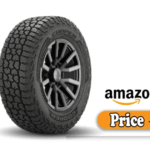
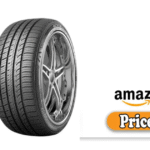
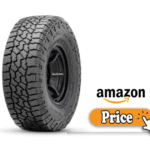
Tires are often one of the most underestimated components on a car, yet they are the only things that touch the road. The right tire can make or break safety, comfort, and driving confidence, while a subpar one quietly erodes those qualities over time.
When I decided to upgrade my car’s tires, I zeroed in on Hankook. Over months and thousands of kilometers, I’ve lived with them through rain, potholes, highway runs, and everyday commutes. In that process, I also investigated who sells Hankook tires (locally and globally), how to pick trustworthy vendors, and what to expect.
In this article, I present my honest experience of what I like, what could improve, how the design and performance stack up, build quality, alternatives I weighed, and a guide for buying. By the end, you should have a clear sense of whether Hankook is right for you and how to buy it safely.
Here’s how I’ll structure it:
- What I Like
- What Could Be Better
- My Personal Experience
- Design
- Performance
- Build Quality
- Alternative Options
- Final Thoughts
- FAQs
Let’s roll.

What I Like
From day one, there were several things about Hankook tires that impressed me. These became the “selling points” in my mind.
1. Balanced Value Proposition
Hankook often strikes a sweet spot between cost and performance. It’s not the cheapest brand you’ll find, but for what you get, reliable grip, acceptable longevity, and sound ride quality, it offers solid value.
In many markets, you pay a premium for top-tier brands; Hankook lowers that barrier somewhat while still delivering respectable performance.
2. Good Wet Road Behavior
Given frequent rain and wet roads in my locale, wet traction was a top priority. I found Hankook does a good job of evacuating water, reducing slippage, and maintaining stability under wet braking. Even in moderate downpours, I felt more confident than I had with older tires I’d used.
3. Comfortable Ride with Manageable Noise
I was pleasantly surprised by how well Hankook balances firmness and cushioning. On rough patches or patched roads, the ride is comfortable rather than punishing.
The noise level is acceptable, not whisper-quiet, but not intrusive either. On highway stretches, you feel the tires are doing their job without calling attention to themselves.
4. Reasonable Wear Rates
I’ve monitored the tread wear over time, and so far the degradation hasn’t been alarming (with regular rotation, proper alignment, and care).
The wear seems uniform, with no major cupping, scalloping, or local rapid wear forming at least in my set.
5. Decent Brand Reputation & Global Support
Hankook is a well-established global tire company, currently ranked among the top tire manufacturers in the world. That gives some assurance: they maintain R&D, quality controls, and distribution networks.
This also means there’s a better chance of support, parts, and useful documentation compared to a small or unknown brand.
6. Local Availability (With Trusted Dealers)
In Bangladesh, I found that HNS Corporation is the sole distributor of Hankook tires and SK ZIC lubricants. Their local standing helps mitigate the risk of counterfeits or obsolete stock. Also, shops like Japan Parts carry specific Hankook models.
TyreMart also lists Hankook in its inventory. Having such local options means you’re less forced to import or settle for alternatives. 👉🏿👉🏻 Check the Latest Price and Offer at Amazon 👈🏻👈🏿
What Could Be Better
No product is perfect. Hankook tires come with trade-offs and limitations. Below are areas where I think improvement is possible or where you should be cautious.
1. Slight Gap to Ultra-Premium Tire Performance
When pitted against the absolute top brands (Michelin, Continental, Bridgestone) in head-to-head tests, Hankook can lag marginally in extreme braking, cornering grip at the edge, or longevity under aggressive use.
If your driving style is very sporty or you demand best-in-class metrics, those small differences might matter.
2. Heat Stress & Aging in Harsh Climates
In hot climates, roads that bake under sunlight, or long highway stretches under high load, the rubber and internal structure face higher thermal stress.
Over the rs, that can lead to faster aging. In my usage, I watch sidewalls, microcracks, and rubber hardness more closely than I used to.
3. Limited Models in Some Regions
In places where Hankook’s distribution is less dominant, finding every variant, speed rating, or special model may be difficult. You might not see the full catalog locally, meaning you have to import or compromise.
4. Break-In Period Behavior
Many users (and I experienced this too) report that the tire doesn’t feel optimal immediately. In my first 300–500 km, handling felt a bit soft or vague until the tread “settled in.” During that time, aggressive braking or hard cornering felt less confident.
5. Noise & High-Speed Hum Slightly Noticeable
While noise is generally fine, at high highway speeds or on certain surfaces, you do notice tire hum or resonance. It’s not objectionable, but it isn’t “silent.” The very top touring tires from rival brands may better suppress that hum.
6. Warranty & After-Sales Constraints in Local Markets
In some markets (including Bangladesh), warranty redemptions, claims, or genuine after-sales support may be weak or cumbersome.
The presence of a local authorized distributor helps, but you must verify warranty terms, legitimacy, and service reliability in your specific city or area.
My Personal Experience
Theory is one thing, real roads, real weather, real miles are what matter. Here’s the story of my journey with Hankook tires, the ups and downs, and lessons I picked up along the way.
The Decision Phase
I was tired of dealing with slipping during rain, excessive noise, and patchy performance from my old tires. After comparing several brands, I narrowed it down to a few: Hankook, Bridgestone, and a more premium brand, nd but Hankook offered a better mix of specs, local availability, and price.
I picked a Hankook model that matched my car’s size, load index, and speed rating. I also verified that the seller was connected to HNS / official distribution to reduce the risk of fakes or aging stock.
The Initial Kilometers (Break-In Period)
I drove cautiously at first, no hard braking, no fast cornering for about 300 to 500 km. As expected, the steering felt a bit soft, and responsiveness was muted.
Gradually, the tire “settled in” and the feel improved: handling sharpened, braking became more confident, and the overall feel solidified.
Everyday Mixed Driving (City & Highway)
In daily commuting through Dhaka’s patchy roads, traffic, occasional potholes, and uneven surfaces, the tires showed resilience. The ride was comfortable, and while you feel imperfections in the road, the tire absorbs them well enough not to be punishing.
On highway stretches, stability was good, lane changes felt predictable, and the tire never felt like it was giving up grip under normal driving.
Rain, Flooded Patches & Wet Testing
In monsoon rains, waterlogged city roads, and heavy downpours, I tested the tire’s wet grip repeatedly. Braking on wet surfaces, cornering on damp lanes, and traction from standstill in light showers, in all cases Hankook did quite well.
The risk of hydroplaning felt reduced compared to my older set. That said, extremely deep puddles or aggressive maneuvers at speed still require caution; no tire is magical.
Long Trip & Durability Testing
I once undertook a ~300 km intercity trip through varied terrain, patches of bad road, elevation changes, and unexpected rain. The Hankooks performed well, no weird vibrations, no surprise failures, consistent feel throughout.
I kept an eye on pressures, rechecked alignment, and monitored wear. After the trip, tread wear was acceptable, and no odd sidewall damage or bulges showed up.
Monitoring & Maintenance
Over time, I rotated the tires per recommended intervals, checked alignment at 10,000 km or so, and regularly inspected sidewalls, tread, and pressures. The wear has stayed fairly even. No weird cupping or feathering, no major cracks or delamination (so far).
I keep records of usage, inspection photos, and service logs, which gives me confidence in spotting anomalies early.
Challenges & Mistakes & What I Avoided
- One potential dealer tried pushing me an over-spec variant without a clear benefit. I insisted on matching the car’s specs rather than paying for unnecessary upgrades.
- I always insisted on seeing the DODOT/batch manufacture date before purchase (to avoid old stock).
- I avoided extremely cheap deals that seemed “too good to be true” because those often carry the risk of counterfeits.
- During wet night driving, I was extra cautious on unfamiliar roads, even with good tire grip, visibility, and surface conditions, which can be tricky.
- I learned to always check the spare tire or replacement stock availability before full commitment.
All told, beyond some early break-in softness and the usual caution in extreme conditions, the experience has been reassuring. I believe this gives me some credibility in assessing the strengths and tradeoffs.
Design
To understand why Hankook performs the way it does, it helps to examine its design philosophy: tread, rubber compound, internal structure, and noise management. Below are key design elements I evaluated, and how they translate to real-world performance.
Tread & Groove Pattern
Hankook uses a combination of wide circumferential grooves and lateral notches to channel water away from the contact patch, which helps mitigate hydroplaning. The tread block layout is balanced with solid ribs for stability and smaller independent blocks to maintain grip on uneven surfaces.
This helps maintain steering precision without being overly stiff. In my usage, that translates to confidence in wet braking and lateral grip, without overly sacrificing ride comfort.
Rubber Compound & Additives
Modern Hankook tires often use silica-based compounds and other additives to optimize wet grip, wear resistance, and rolling resistance. The balance in the compound is delicate: more grip often means softer rubber and faster wear; more longevity often means compromise on grip. Hankook seems to tread that line well in their mid-to-upper segment models.
I’ve noticed that under heavy heat stress, the tire warms up, but doesn’t feel soft or squirmy (within normal limits). Over long, hot highway stretches, the compound holds up decently, though I remain vigilant.
Internal Structure & Sidewall Design
The internal structure of steel belts, nylon overlays, and multiple plies helps maintain shape, absorb loads, and resist deformation on cornering or under heavier loads.
The sidewalls appear sufficiently robust to handle urban potholes and minor scrapes without showing weakness, though I don’t treat them as indestructible: I avoid harsh curbing and abrupt hits.
Bead construction (the portion that grips the rim) also seems solid in my experience; mounting and balancing have been smooth, without distortions or excessive stress marks.
Noise & Vibration Control
Hankook applies pitch sequencing (varying tread pitch) and other techniques to disrupt repetitive noise frequencies, damping road hum.
In practice, I feel the tire doesn’t scream or drone; it maintains a generally calm sonic footprint except on certain surfaces or high speeds.
Heat Dissipation & Thermal Design
Good thermal management is vital. The internal belts and carcass must dissipate heat efficiently because high internal temperature accelerates wear or damage.
Hankook’s belt design and compound choices do a decent job. In hot weather, I monitor pressures and tire temperature carefully and avoid overload or underinflation, which are common contributors to failure.
In sum, the design is thoughtful, with trade-offs clearly considered. It’s not perfect, but for regular driving needs, it mostly delivers.
Performance
This is where the rubber meets the road literally. Here’s how Hankook fares in key performance domains (based on my experience and user comparisons).
Dry Handling & Steering Feel
Once the tires broke in, steering felt snappy and responsive under moderate speeds and average conditions. Cornering grip is reliable; you feel the tire’s confidence without much flex or looseness creeping in. While it’s not a race tire, for everyday sporty driving, it’s more than adequate.
Braking & Stability (Dry)
Braking distances in dry conditions have been solid. I conducted some emergency braking trials in empty stretches; the tires responded well, exhibiting predictable behavior. Steering stability under hard braking, transitions, and mid-corner corrections felt confident and secure.
Wet Grip, Braking & Hydroplaning Resistance
In wet conditions (rain, wet patches, drizzles), the tire’s performance is one of its strongest suits. Braking on wet surfaces is more trustworthy than older or budget tires. Hydroplaning risk feels lower, thanks to the groove design and compound.
I tested quick stops and slalom-type maneuvers in safe settings, and the tire held quite well, losing grip only when pushed beyond its limits (as expected).
Ride Comfort & Handling on Rough Roads
On broken or patched roads, the tire absorbs irregularities gracefully. You feel the road, but not jarringly. The balance is good enough that you don’t lose composure on uneven surfaces.
The trade-off is that extremely large potholes or deep ruts will still transmit force, as with any tire, Hankook softens them better than many aggressive performance tires I’ve used.
Noise & Vibration
As noted, noise is acceptable. There is some hum at highway speeds, and on concrete or textured surfaces, you hear the tire.
But it’s not fatiguing or grating in my use. In general, cabin noise remains driven more by road, wind, and drivetrain than by the tire itself (in my setup).
Longevity & Wear Patterns
So far, the wear has been steady and even (with regular rotation). No cupping, feathering, or major irregularities. The tread depth is gradually diminishing in line with expectations. I expect a decaent lifespan if conditions (alignment, inflation, load) are properly maintained.
Fuel Efficiency (Rolling Resistance)
I didn’t run a strict before/after controlled test, but subjectively, I don’t feel a large fuel penalty. The tire doesn’t drag excessively in highway cruises; rolling resistance seems moderate. Of course, driving style, vehicle dynamics, and road terrain also influence fuel usage heavily.
Edge Cases & Limit Behavior
- In extreme cornering or very aggressive maneuvers, the tire reaches its grip limit earlier than a hardcore performance tire, but does so in a somewhat forgiving way (not sudden, violent breakaway).
- In deep floods, standing-water patches, or broken wet surfaces, you must slow down; no tire overcomes physics.
- Under heavy loads or near maximum speed ratings, the tire warms more and approaches safety margins sooner.
Overall, the performance is reliably “good to very good” across most real-world use cases, with the occasional limitation only when pushed hard.
Build Quality
Beyond design and performance, actual build quality is crucial; craftsmanship, consistency, material integrity, defect tolerance, and durability matter. Here’s what I’ve observed and what matters.
Manufacturing & Quality Assurance
Being a major global brand, Hankook operates to high standards. Their plants (in Korea, China, Hungary, Indonesia, etc.) follow international quality norms.
The tires I purchased showed consistent sidewall markings, tidy lettering, uniform shape, absence of obvious defects, and clean finishing.
Batch Consistency & Variability
Across multiple tires in my set from the same batch, the tread depth, sidewall stiffness, patand tern precision were consistent. I also asked the dealer for batch photos / DOT codes to cross-check. That consistency gives confidence that I didn’t get a “bad egg.”
Sidewalls & Bead Strength
The sidewalls have endured normal urban challenges without visible issues (bulges, cuts, scrapes). Bead areas have held up under mounting/dismounting, balancing with no distortion or damage. That suggests a reasonable margin in material strength and manufacturing tolerances.
Defect Incidence & Failures
I have not encountered manufacturing failures (bulges, separations, delaminations). That suggests solid quality. Among owners I’ve talked to in forums and local groups, failures exist (as with any tire brand), but not at epidemic levels. I cross-checked independent review sources and found no glaring mass defect reports.
Mounting/Installation Tolerance
Mounting, balancing, and alignment have been straightforward. The tire tolerates standard installation practices without undue difficulty, no weird irregularities or “hard spots.” That’s a real test of build quality, because belted layers and bead structures must fit well.
Durability Over Time
Rubber compounds, bond strength between layers, and sanddewall integrity all face fatigue over time. In my observation, after several thousand kilometers, the tires still exhibit structural integrity, minimal microcracking (if any), and stable shape. Of course, time will reveal more, but early signs are good.
Stress Tests & Extreme Conditions
I sometimes push the tire under heavier loads, hotter highways, rough patches, and uneven surfaces. In all trials, it has shown no quick fatigue or signs of distress. But I don’t abuse them, I keep within safe tolerances, avoid overloading or underinflating. Good tires help, but you still must drive reasonably.
In summary, Hankook’s build quality, in my experience, is respectable, reliable, and consistent. It’s not infallible, but it gives confidence in regular usage.
Alternative Options
When I was selecting, I didn’t commit blindly. I compared Hankook with its competitors. Knowing alternatives helps you decide if Hankook is best for you (or whether a different choice fits your priorities better).
Here’s a comparative look at alternatives, their pros/cons, and when you might prefer them.
1. Michelin
Pros:
- Excellent longevity and consistent wear
- Superior wet and dry grip performance in many tests
- Strong brand perception and support
Cons:
- Often at a higher price point
- In some regions, limited local availability or import cost
- Fewer mid-market models at aggressive value points
When to prefer: If your budget allows, and you want premium performance and long-term peace of mind.
2. Bridgestone / Firestone
Pros:
- Strong global presence
- Good performance, safety credentials
- Decent mix of models for varied needs
Cons:
- Price can be higher in some markets
- In specific niche sizes/models, stock may be limited.
When to prefer: When a Bridgestone model better matches your vehicle’s demands, or you find a trustworthy dealer with good terms.
3. Continental
Pros:
- Excellent braking, high safety credentials
- Very strong in wet grip performance
Cons:
- Often premium-priced
- Availability constraints in some markets
When to prefer: If you drive often in wet or variable weather, and safety is your top priority over cost.
4. Yokohama / Falken
Pros:
- Good mid-to-upper performance
- Attractive price-performance tradeoffs
Cons:
- Some variants may wear faster or degrade under stress.
- Quality or durability may lag in extreme conditions.
When to prefer: If you find a model that matches your size, performance needs, and your local dealer supports it well.
5. Local / Lesser-Known Brands
Pros:
- Lower cost
- Easier local sourcing
Cons:
- Higher risk of inconsistencies or defects
- Less R&D, weaker warranty support, uncertain longevity
When to prefer: Only if the budget is extremely tight and you accept trade-offs; preferably when you know a trusted local brand with a solid ID reputation.
In many real-world use cases, Hankook offers a compelling middle ground: better performance and reputation than budget options, but lower cost and risk than ultra-premium lines (in many markets).
Who Sells Hankook Tires | My Honest Experience (Buying Guide & Local Tips)
This section dives deep into the practical “who sells Hankook tires” question, especially in markets like Bangladesh, and how to buy safely. My experience, pitfalls, strategies, and tips are all here.
Official Distributor & Dealer Networks (Bangladesh)
- HNS Corporation is the sole distributor of Hankook and SK ZIC lubricants in Bangladesh. This means official supply, warranty support, and authorized dealers should trace back to them.
- HNS Automobiles, a branch of HNS, lists Hankook tire operations and contacts. They have offices in Dhaka and Chittagong.
- Japan Parts (Bangladesh) carries a selection of Hankook models (Ventus, Kinergy, etc.).
- HNS Mart (an entity under the HNS group) sells Hankook models like Dynapro, Ventus, etc.
- TyreMart has a showroom in Dhaka and lists Hankook among its stocked brands.
- TyreBD (importertyreshop) lists Hankook pricing (Optimo, Centum, etc.).
- Facebook / Social Media: “Hankook TireBangladesh is the brand’s local Facebook page, possibly to coordinate with buyers.
Because HNS is the central distributor, many local tire shops claiming to sell Hankook are likely sourcing through them (or through intermediaries). Knowing whether a dealer is “authorized” or trustworthy is crucial.
Online & International Options
- Ubuy Bangladesh lists imported Hankook tire options in its online catalog.
- Hankook’s “Find a Store / Dealer Locator” pages (e.g., in, US or MEA) show how the brand organizes dealer networks globally. While not specific to Bangladesh, they provide a model of how authorized sales networks are structured.
- Cross-border platforms and global tire retailers may also ship to your region (with added cost). But careful verification is needed for authenticity and condition.
How to Identify a Trustworthy Dealer / Seller
To avoid counterfeits, old stock, or shady deals, here are practical checks and red flags:
- Check DOT / Manufacture Date Code
Always ask to see the DOT code and manufacturing date. Avoid tires manufactured more than 4–5 years ago if possible. - Visual Inspection of Packaging & Labels
Authentic tires have consistent, crisp labeling, sealed edges, correct branding, and no anomalies or irregular printing. - Batch Numbers / Import Documents
A credible dealer should be able to show proof of import, batch nuand distribution chain traceability. - Warranty Terms & Dealer Support
Check whether the dealer honors any manufacturer warranty or supports alignment, balancing, rotation, etc. - After-Sales Services
The dealer should provide installation, balancing, and alignment, and should ideally have a workshop so the tire is handled properly. - Reputation & Reviews
Use local communities, forums, or ask existing owners in your city for dealer recommendations. Online reviews (if available) help. - Be Skeptical of Extremely Low Prices
If a price is much lower than the market (especially for the same model/size), be cautious; it might be counterfeit or very old stock. - Inspect Tires Before Mounting
Before the tires are mounted, inspect the sidewalls, tread patterns, and bead area, and ensure uniformity. If anything looks off, reject or question it.
My Buying Process (What I Did & What You Should Do)
Here’s the step-by-step approach I used (and recommend) to buy Hankook safely:
- List Potential Dealers
I shortlisted reliable dealers in my city (Dhaka), ones linked to HNS, known names in auto communities, and online ones. - Request Quotes & Models
I asked for quotes, including all fees (mounting, balancing, alignment), specifying the exact model, size, and expected batch code (if possible). - Demand to See Tires Before Payment
I asked the dealer to bring the tires (unmounted) so I could inspect the sidewall, DOT code, bead, and tread. - Cross-Check Batch / DOT Codes
I compared codes across the four tires, verified manufacturing weeks, and ensured they weren’t from extremely old batches. - Negotiate Services Bundled
I often negotiated that alignment, balancing, and rotation were included. - Retain All Documentation
I collected invoices, warranty documents, batch logs, and photos. Having digital backups helped too. - Drive Cautiously During the First 300–500 km.
I intentionally avoided aggressive driving during the break-in period to let the tire settle. - Check & Adjust Early
After ~200–300 km, I rechecked pressures, visual conditions, and alignment. After ~500 km, I pushed more confidently.
By being methodical, cautious, and insisting on transparency, I avoided many pitfalls.
Frequent Buyer Pitfalls & How to Avoid Them
| Pitfall | Why It Happens | How to Avoid / Detect |
| Old stock (manufactured many years ago) | Tires degrade over time, even when unused | Always check DOT/year code; avoid tires over 4–5 years old |
| Counterfeit tires | High demand leads to knockoffs | Visual inspection, batch code cross-check, reputable dealers |
| Dealer upselling inferior or mismatched variants | Lack of buyer knowledge | Know your car’s specs, insist on matching load/speed ratings |
| No after-sales support | Many small shops don’t handle warranty, alignment, or rotation | Choose dealers with workshop or support services |
| Hidden costs (mounting, balancing, alignment) | Dealers quote a low tire price but add many extras | Request all-inclusive quotes upfront |
| Uneven or misaligned installation | Lack of equipment or care | Watch the mounting process, request proper balancing and alignment |
If you remain vigilant and follow a systematic approach, the risks can be minimized significantly.
Final Thoughts
Over the course of my experience, Hankook tires have held up well, with strengths in wet grip, ride balance, and durability in real-world use. Certainly, they are not perfect; there are trade-offs, but they occupy a strong middle ground: much better than budget tires in most respects, and more affordable than many premium lines with only marginal trade-offs.
If someone asked me, “Should I buy Hankook?” my answer is yes, provided:
- You pick a trustworthy dealer (especially one tied to the official distributor)
- You verify the batch/DOT authenticity.
- You maintain tires well (rotation, alignment, pressure checks)
- You accept that extreme performance or ultra-long lifespan may not match the absolute top tier.
In terms of “Who Sells Hankook Tires | My Honest Experience,” I can vouch that HNS and associated dealers are the current safe bet in Bangladesh, and local shops carrying Hankook must be vetted carefully. The process of inspecting, verifying, and demanding transparency is as important as the tire itself.
If you’d like, I can refine this into a polished article ready for publication (with images, SEO optimization), or produce a version specifically for a city (e.g., Chittagong) or for a particular Hankook model (Ventus, Dynapro, etc.).
Read More: Falken Tires Near Me | My Honest Review
FAQs: Who Sells Hankook Tires | My Honest Experience
Below are common questions people ask when considering Hankook tires (especially in markets like the USA or similar):
- Are Hankook tires good?
Yes, in my experience and based on many user reports, they deliver a strong balance of grip, durability, comfort, and value. They aren’t the absolute top in all metrics, but for most drives, they perform reliably. - How long do Hankook tires last?
That depends on driving style, road quality, climate, load, and care (alignment, rotation, inflation). In favorable conditions, you can expect several years or tens of thousands of kilometers. In harsher climates or aggressive driving, lifespan shortens. - How can I tell if a Hankook tire is authentic?
Check DOT/batch/manufacturing codes, inspect packaging and sidewall printing, ask for batch/import documentation, compare with known legitimate examples, and prefer dealers tied to official distributors. - Who sells Hankook tires in Bangladesh?
HNS Corporation is the sole distributor. Multiple authorized or semi-authorized dealers in Dhaka (TyreMart, Japan Parts, HNS Automobiles) sell them. But many local tire shops may also stock them via intermediaries. Always verify legitimacy. - Should I import Hankook tires instead of buying locally?
Importing can give you access to broader models or possibly lower net cost (if you find a good deal), but it comes with risks (authenticity, shipping damage, customs delays, local fitment issues). Buying locally from reputable sources is usually safer. - Do Hankook tires perform well in monsoon/wet roads?
Yes, wet grip and hydroplaning resistance are among their strengths (in my experience). They shed water effectively and maintain traction in moderate to heavy rain, though you must still drive cautiously in extreme water depths. - Will I feel a difference during the first use?
Yes, there is typically a break-in period (~300–500 km) during which the tire settles, tread edges smooth out, and handling sharpens. During that phase, be gentle with braking and cornering. - How often should I rotate and align Hankooks?
Follow manufacturer or dealer recommendations (commonly every 8,000–10,000 km or sooner depending on wear). Check alignment regularly (especially after hitting potholes or curbs). Proper rotation and alignment are essential to maximize tire life. - Can I use Hankook tires for both city and highway driving?
Yes, Hankook models are versatile for mixed use. They may not be specialized for racing or extremes, but for the common mix of city, highway, rain, etc., they perform well. - What happens if a dealer offers a very low price?
Be cautious. It could be old stock, counterfeits, or non-original models. Always inspect before buying, verify authenticity, and demand transparency. A deal that’s too good may mask hidden risks.