Buying tires isn’t exactly exciting. It’s one of those adult responsibilities you try to delay until your dashboard lights up like a Christmas tree or your mechanic gives you that look.
I’ve been there more times than I’d like to admit. So when I started searching for a Firestone Tires Sale, I wasn’t just hunting for a discount; I wanted value, safety, and something that wouldn’t make me regret my purchase six months later.
This article is my honest, real-world experience with Firestone tires: what I liked, what could be better, how they performed in everyday U.S. driving conditions, and whether I’d buy them again. No corporate fluff. No hype. Just straight talk from someone who actually paid for them.
If you’re on the fence about Firestone, or wondering whether a Firestone Tires Sale is actually worth it, this review is for you.

Introduction
Tires are one of the most overlooked components of a vehicle, yet they’re the only part that actually touches the road. Living in the U.S., where road conditions vary wildly from smooth highways to pothole-ridden city streets and unpredictable weather, having reliable tires matters more than most people realize.
I’ve owned several vehicles over the years: sedans, a compact SUV, and a pickup truck. I’ve also gone through multiple tire brands, from budget options to premium names.
Firestone sits in an interesting middle ground, well-known, widely available, and often aggressively discounted. When I first searched for a Firestone Tires Sale, I wasn’t loyal to the brand. I was loyal to my wallet and my safety.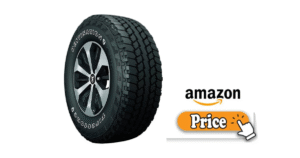 👉🏿👉🏻 Check The Latest Price and Offer at Amazon 👈🏻👈🏿
What I Like
Let’s start with the positives, because Firestone does a lot of things right, ht especially when you buy during a sale.
1. Strong Brand Reputation in the U.S.
Firestone has been around for over a century, and that history matters. In the U.S., Firestone tires are everywhere:
- Firestone Complete Auto Care locations
- Big retailers like Costco and Sam’s Club
- Online sellers like Tire Rack and SimpleTire
That kind of availability gives peace of mind. If something goes wrong, help is usually nearby.
2. Real Savings During a Firestone Tires Sale
This is where Firestone really shines. When Firestone runs a sale, it’s not just $10 off and a pat on the back. I’ve personally seen:
- $100–$200 off a full set
- Manufacturer rebates
- Free installation or lifetime rotation packages
For a full set of tires, that can mean hundreds of dollars saved, especially compared to premium brands.
3. Comfortable, Quiet Ride
One thing I noticed immediately after installation was the ride quality. On highways, the tires felt:
- Smooth
- Stable
- Surprisingly quiet
For daily commuting, road trips, and errands, Firestone delivers a comfortable experience that most drivers will appreciate.
4. Solid All-Season Performance
I chose an all-season Firestone model, and for typical U.S. weatherher rain, light snand ow, and hot summers, it performed reliably.
- Wet traction felt confident.t
- Dry handling was predictable
- Light snow was manageable
No white-knuckle driving moments, which is exactly what you want.
What Could Be Better
No tire brand is perfect, and Firestone is no exception. Here’s where I think they could improve.
1. Tread Life Varies by Model
Some Firestone tires last a long time. Others? Not so much. If you don’t research specific models, you might end up with:
- Faster-than-expected wear
- Reduced performance after a few years
My advice: don’t just buy the cheapest Firestone tire on sale. Look at treadwear ratings and reviews.
2. Not Always the Best for Extreme Conditions
If you live in:
- Heavy snow regions
- Rural areas with rough terrain
- Areas with frequent ice
Firestone’s standard all-season options may fall short. Dedicated winter tires or off-road tires might be a better choice.
3. Road Noise Can Increase Over Time
While quiet at first, some Firestone models get louder as they age. Regular rotations help, but it’s something to be aware of.
My Personal Experience
Let me get specific. I purchased my Firestone tires during a seasonal promotion at a Firestone Complete Auto Care location in the Midwest. The vehicle was a mid-size sedan used for:
- Daily commuting
- Weekend highway trips
- Occasional long road trips
The Buying Process
The buying experience was straightforward:
- Online appointment booking
- Clear pricing
- Transparent rebate information
No high-pressure sales tactics, which I appreciated.
Installation Day
Installation was smooth and on schedule. The technicians:
- Explained tire pressure recommendations
- Reset my TPMS
- Provided maintenance tips
It felt professional and efficient.
First 1,000 Miles
This is when I usually decide whether I regret a tire purchase. In this case:
- Steering felt responsive
- Braking felt consistent
- Ride comfort improved over my old tires
No regrets.
Design
Tire design isn’t just about looks, but Firestone manages both form and function well.
Tread Pattern
The tread design:
- Channels water effectively
- Balances grip and noise reduction
- Looks clean and modern
While no one buys tires to show off, it’s nice when they don’t look cheap.
Sidewall Construction
The sidewalls feel sturdy without being overly stiff, which contributes to ride comfort and durability.
Performance
This is where tires either earn their keep or don’t.
Dry Roads
On dry pavement:
- Stable handling
- Confident cornering
- No excessive slipping
Perfectly fine for everyday driving.
Wet Conditions
Rain performance was a standout:
- Minimal hydroplaning
- Predictable braking
- Good traction during heavy storms
For U.S. drivers who deal with frequent rain, this matters.
Snow and Ice
In light snow:
- Acceptable traction
- Controlled braking
In heavy snow or ice, performance drops as expected for all-season tires.
Build Quality
Firestone tires feel well-constructed.
Materials
The rubber compound balances:
- Durability
- Grip
- Comfort
I didn’t notice any defects or irregular wear early on.
Longevity
With proper maintenance:
- Regular rotations
- Correct air pressure
You can reasonably expect them to last close to their rated miles, especially if you drive conservatively.
Alternative Option
Firestone isn’t the only game in town. Depending on your needs, here are alternatives worth considering.
Michelin
- Higher price
- Excellent longevity
- Premium performance
Goodyear
- Strong U.S. presence
- Good balance of price and performance
- Often competitive sales
Continental
- Great handling
- Quiet ride
- Slightly higher cost
If budget is a concern, a Firestone Tires Sale often makes Firestone the better value.
Final Thought
So, would I recommend Firestone tires? Yes, with conditions. If you:
- Want a reliable, well-known brand
- Drive mostly in normal U.S. conditions
- Take advantage of a Firestone Tires Sale
Then, Firestone offers excellent value. They’re not the absolute best in every category, but they’re dependable, affordable, and widely supported across the U.S.
Read More: Who Makes Michelin Tires | My Honest Experience
FAQs:
Are Firestone tires of good quality?
Yes. Firestone offers solid quality for everyday driving, especially when properly maintained.
Is a Firestone Tires Sale worth it?
Absolutely. Sales often bring Firestone tires into a very competitive price range.
How long do Firestone tires last?
Depending on the model and driving habits, many last between 50,000–70,000 miles.
Are Firestone tires made in the USA?
Some Firestone tires are made in the U.S., while others are manufactured globally.
Should I buy Firestone tires or Michelin?
If budget matters, Firestone during a sale is a great option. Michelin excels in longevity but costs more.