A failing fuel pump can turn a simple drive into a frustrating experience. One day, your vehicle starts normally, and the next day it cranks endlessly without firing up. If you’ve ever been stranded because of a faulty fuel pump, you know how stressful the situation can be.
The fuel pump is responsible for delivering fuel from the gas tank to the engine at the correct pressure. When it begins to fail, the engine may struggle to start, lose power, hesitate during acceleration, or stop running altogether.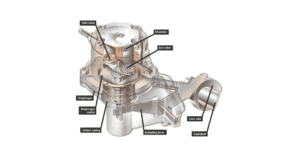 The good news is that in some cases, you may be able to temporarily start a car with a bad fuel pump and drive it to a repair shop. However, these methods are short-term solutions and should not be considered permanent repairs.
In this comprehensive guide, we’ll cover:
- How a fuel pump works
- Symptoms of a failing fuel pump
- Temporary ways to start a car with a bad fuel pump
- Troubleshooting techniques
- Fuel pump replacement options
- Buyer’s guide
- Frequently asked questions
Understanding How a Fuel Pump Works
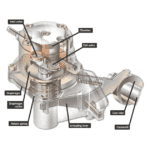
Modern vehicles use electric fuel pumps located inside the fuel tank. Their primary job is to:
- Draw fuel from the tank
- Pressurize the fuel system
- Deliver fuel to the injectors
- Maintain proper fuel pressure
Without adequate fuel pressure, the engine cannot receive the correct air-fuel mixture required for combustion.
Fuel Pump Components
| Component | Function | Failure Symptoms |
| Fuel Pump Motor | Pumps fuel to the engine | No-start condition |
| Fuel Filter | Removes contaminants | Reduced performance |
| Fuel Pressure Regulator | Controls pressure | Hard starting |
| Fuel Injectors | Spray fuel into the engine | Misfires |
| Fuel Relay | Powers pump | Intermittent starting |
Signs of a Bad Fuel Pump
Before attempting to start the vehicle, it’s important to confirm whether the fuel pump is actually the problem.
Common Symptoms
1. Engine Cranks But Won’t Start
The starter motor turns the engine over, but it never starts.
2. Whining Noise from Fuel Tank
A high-pitched whining sound may indicate pump wear.
3. Loss of Power
The vehicle struggles during acceleration or hill climbing.
4. Engine Sputtering
Fuel delivery becomes inconsistent.
5. Reduced Fuel Efficiency
A weak pump can affect fuel consumption.
6. Sudden Stalling
The engine may shut off while driving.
Comparison Table: Bad Fuel Pump Symptoms vs Other Problems
| Symptom | Bad Fuel Pump | Bad Battery | Bad Starter | Clogged Fuel Filter |
| Cranks but won’t start | Yes | Sometimes | No | Yes |
| Engine stalls | Yes | No | No | Yes |
| Whining noise | Yes | No | No | No |
| Slow crank | No | Yes | Yes | No |
| Loss of power | Yes | No | No | Yes |
| Poor acceleration | Yes | No | No | Yes |
How To Start a Car With a Bad Fuel Pump
If your fuel pump is weak but not completely dead, these temporary techniques may help.
Method 1: Cycle the Ignition Key
This is one of the easiest tricks.
Steps
- Insert the key.
- Turn it to the “ON” position.
- Wait 5 seconds.
- Turn it back off.
- Repeat 3-5 times.
- Start the engine.
Why It Works
Each cycle primes the fuel system and may build enough pressure for the engine to start.
Best For
- Weak fuel pumps
- Hard-start conditions
- Intermittent pump failure
Method 2: Tap the Fuel Tank
Sometimes a worn electric pump has a dead spot in the motor.
Steps
- Locate the fuel tank.
- Have someone crank the engine.
- Tap the tank gently with a rubber mallet.
Why It Works
The vibration may temporarily free stuck pump components.
Warning
Do not strike the tank excessively.
Method 3: Use Starting Fluid
Starting fluid can help diagnose fuel delivery problems.
Steps
- Remove the air intake hose.
- Spray a small amount of starting fluid.
- Attempt to start the engine.
Results
If the engine briefly starts and then dies, a lack of fuel delivery is likely the issue.
Safety Tip
Use only small amounts.
Method 4: Check Fuel Pump Relay
Sometimes the relay fails rather than the pump itself.
Steps
- Locate the relay box.
- Identify the fuel pump relay.
- Swap it with an identical relay.
- Attempt to start the vehicle.
Benefit
Cheap and easy diagnostic step.
Method 5: Add Fuel to the Tank
Surprisingly, some failing pumps work better when submerged.
Steps
- Add several gallons of fuel.
- Turn the ignition on and off several times.
- Start the vehicle.
Why It Works
Extra fuel can cool the pump and improve its operation temporarily.
Method 6: Jump the Fuel Pump Circuit
Experienced mechanics sometimes bypass the relay temporarily.
Warning
This should only be performed by individuals familiar with automotive electrical systems. Improper wiring can cause:
- Electrical damage
- Fire hazards
- Battery drain
Emergency Starting Methods Comparison
| Method | Difficulty | Cost | Temporary Fix | Success Rate |
| Key Cycling | Easy | Free | Yes | High |
| Tapping Tank | Easy | Free | Yes | Moderate |
| Starting Fluid | Easy | Low | Yes | Moderate |
| Relay Swap | Easy | Low | Yes | High |
| Add Fuel | Easy | Moderate | Yes | Moderate |
| Circuit Jump | Advanced | Low | Yes | High |
Why Fuel Pumps Fail
Understanding the cause helps prevent future failures.
Low Fuel Levels
Frequently driving near empty can overheat the pump.
Contaminated Fuel
Dirt and debris damage internal components.
Age and Wear
Most fuel pumps last:
- 100,000–150,000 miles
- 160,000–240,000 kilometers
Electrical Problems
Issues include:
- Corroded connectors
- Bad relays
- Faulty wiring
Diagnosing a Bad Fuel Pump
Listen for Pump Operation
Turn the key to ON. You should hear a brief humming sound. No sound may indicate:
- Failed pump
- Bad relay
- Electrical issue
Check Fuel Pressure
Using a fuel pressure gauge:
- Connect the gauge.
- Turn the ignition on.
- Compare readings to specifications.
Low pressure often confirms pump problems.
Scan for Trouble Codes
Common codes include:
- P0087
- P0230
- P0231
- P0232
These may indicate fuel delivery issues.
Can You Drive With a Bad Fuel Pump?
Technically, yes, if the vehicle still runs. However, it is risky. Potential consequences include:
- Sudden stalling
- Unsafe highway driving
- Engine misfires
- Catalytic converter damage
Repairs should be performed as soon as possible.
Fuel Pump Replacement Costs
Costs vary depending on vehicle type.
| Vehicle Type | Parts Cost | Labor Cost | Total Cost |
| Compact Car | $100-$300 | $150-$400 | $250-$700 |
| Sedan | $150-$450 | $200-$500 | $350-$950 |
| SUV | $200-$600 | $250-$600 | $450-$1,200 |
| Truck | $250-$700 | $250-$700 | $500-$1,400 |
Buyer’s Guide: Choosing a Replacement Fuel Pump
When replacing a fuel pump, selecting the right component is essential.
OEM vs Aftermarket
OEM
Pros:
- Exact fit
- Factory reliability
- Manufacturer warranty
Cons:
- Higher cost
Aftermarket
Pros:
- Lower price
- More options
Cons:
- Quality varies
Fuel Pump Flow Rate
Ensure the replacement meets manufacturer specifications. Too little flow causes:
- Lean conditions
- Power loss
Too much flow may create tuning issues.
Warranty Coverage
Look for:
- Minimum 1-year warranty
- Reputable manufacturer support
Brand Reputation
Popular fuel pump brands include:
- Bosch
- Denso
- Delphi
- ACDelco
- Carter
Complete Module vs Pump Only
Pump Only
- Lower cost
- More labor
Complete Module
- Easier installation
- Replaces sensors and housing
Often the better long-term investment.
Preventing Future Fuel Pump Failures
Keep Fuel Above One-Quarter Tank
The fuel helps cool the pump.
Replace Fuel Filters
A clogged filter makes the pump work harder.
Use Quality Fuel
Avoid contaminated fuel sources.
Address Electrical Issues Quickly
Corrosion and poor connections reduce pump life.
Follow Maintenance Schedules
Routine inspections help identify problems early.
Personal Experience and Review
Over the years, I’ve encountered several vehicles with weak fuel pumps. One of the most memorable cases involved a sedan that would crank endlessly every morning but start normally after several ignition cycles. Initially, the owner suspected a battery issue, but fuel pressure testing revealed the pump was slowly losing pressure overnight.
The key-cycling method allowed the vehicle to start consistently for a few days, buying enough time to schedule repairs. However, the problem gradually worsened until the car refused to start entirely.
This experience reinforced an important lesson: temporary starting tricks can help in emergencies, but they are not substitutes for replacing a failing fuel pump. Once symptoms appear, planning a proper repair is usually the most cost-effective solution.
Common Mistakes People Make
Ignoring Early Symptoms
Many drivers continue operating the vehicle despite warning signs.
Replacing the Wrong Part
Fuel filters, relays, and batteries are often blamed incorrectly.
Running the Tank Empty
This significantly reduces pump lifespan.
Using Excessive Starting Fluid
Can damage engine components.
Delaying Repairs
A completely failed pump leaves the vehicle stranded.
Read More: Which Car Has The Largest Fuel Tank
FAQs: How To Start Car With Bad Fuel Pump
Can a car start with a bad fuel pump?
Yes. If the pump is weak rather than completely failed, the vehicle may still start using temporary methods such as ignition cycling.
How long can I drive with a failing fuel pump?
It varies. Some pumps fail within days, while others may continue working intermittently for weeks or months.
Will tapping the fuel tank really work?
Sometimes. It may temporarily free internal pump components if the motor has worn spots.
What is the first sign of a bad fuel pump?
Hard starting and loss of power are among the most common early symptoms.
Can a fuel pump fail suddenly?
Yes. Some pumps show warning signs, while others stop working without notice.
Is it safe to use starting fluid?
Yes, in small amounts and according to the manufacturer’s instructions.
How much does a fuel pump replacement cost?
Most repairs range from $250 to $1,400, depending on vehicle type and labor rates.
Can a clogged fuel filter mimic a bad fuel pump?
Absolutely. Both issues can cause low fuel pressure and similar performance problems.
How do I know if it’s the relay or the pump?
Swapping the relay with a known-good identical relay is a quick diagnostic test.
Should I replace the fuel filter when replacing the fuel pump?
Yes. Replacing both components helps ensure proper fuel system performance and longevity.
Final Thoughts
A bad fuel pump can create frustrating starting issues and unexpected breakdowns. Fortunately, several temporary methods, such as cycling the ignition key, tapping the fuel tank, checking the relay, or using starting fluid,d may help start the vehicle long enough to reach a repair facility.
However, these methods are only short-term solutions. Once a fuel pump begins failing, replacement is usually inevitable. Diagnosing the problem early and installing a quality replacement pump can restore reliability and prevent costly roadside emergencies.
If your vehicle exhibits hard starting, power loss, sputtering, or stalling, inspect the fuel system promptly. Addressing the issue early is far easier than dealing with a complete no-start situation later.