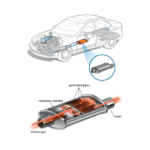
If you’ve ever heard a car roaring down the street, chances are it had a damaged or missing muffler. That deep, rumbling noise might sound exciting in movies, but in everyday driving, it’s usually a sign that something isn’t working properly in the exhaust system.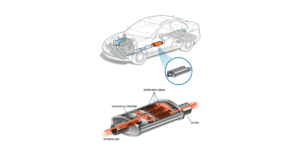 The muffler is one of the most important components in a car’s exhaust system. Its primary job is to reduce engine noise, but it also helps improve exhaust flow, maintain performance, and keep emissions systems functioning correctly.
When I first learned about mufflers, I assumed they were only for noise control. But after dealing with a rusted muffler on an older vehicle, I realized that it affects fuel efficiency, engine performance, and even driving comfort.
In this complete guide, we’ll explore:
- What a muffler does
- How it works
- Types of mufflers
- Signs of a failing muffler
- Performance benefits
- Buying tips
- Costs and maintenance
Whether you’re replacing a worn muffler or simply learning about car parts, this guide will give you everything you need to know.
What Does a Muffler Do for a Car?
A muffler is a component of a car’s exhaust system designed to reduce the noise produced by the engine’s exhaust gases.
When an engine burns fuel, it creates high-pressure exhaust gases that exit through the exhaust system. Without a muffler, those gases would produce extremely loud explosions every time they leave the engine.
The muffler works by:
- Dampening sound waves
- Redirecting exhaust gases
- Reducing engine noise
In simple terms, it makes your car quiet enough to drive comfortably and legally.
How a Muffler Works
Inside a muffler is a system of tubes, chambers, and baffles. These components work together to reduce noise. Here’s the basic process:
- Exhaust gases leave the engine.
- The gases enter the muffler.
- Sound waves bounce inside chambers.
- The waves cancel each other out.
- Exhaust exits with reduced noise.
This technique is called sound wave cancellation. Some mufflers also use fiberglass or steel wool insulation to absorb sound energy.
Key Functions of a Muffler
1. Reduces Engine Noise
The most obvious job of the muffler is to lower the volume of engine exhaust. Without it, cars would be extremely loud.
2. Improves Driving Comfort
Excessive engine noise can make driving unpleasant. Mufflers ensure a quieter, smoother driving experience.
3. Helps Maintain Proper Exhaust Flow
A properly designed muffler allows exhaust gases to leave the engine efficiently, helping maintain engine performance.
4. Protects the Environment
While the catalytic converter handles emissions, the muffler ensures exhaust gases move through the system properly.
5. Keeps Vehicles Legal
Many countries and states have noise regulations for vehicles. A functioning muffler helps keep your car compliant with these laws.
Comparison Table: Types of Car Mufflers
| Muffler Type | Noise Level | Performance Impact | Durability | Best For |
| Chambered Muffler | Moderate | Balanced | High | Everyday driving |
| Turbo Muffler | Quiet | Good airflow | Medium | Comfortable rides |
| Straight-Through Muffler | Loud | High performance | High | Sports cars |
| Glasspack Muffler | Loud | Slight performance gain | Medium | Muscle cars |
| Stock OEM Muffler | Very quiet | Factory balance | High | Standard vehicles |
My Personal Experience With Mufflers
A few years ago, I noticed my car becoming noticeably louder during acceleration. At first, I assumed it was normal engine noise. But after checking underneath the car, I discovered the muffler had developed a rust hole.
Once I replaced it, the difference was immediate:
- The car became much quieter
- The ride felt smoother
- Fuel efficiency improved slightly
That experience showed me how important a muffler really is.
Main Components of a Muffler
Most mufflers contain several internal elements.
1. Inlet Pipe
This pipe connects the muffler to the exhaust system and carries gases into the muffler.
2. Resonating Chambers
These chambers reflect sound waves to reduce noise.
3. Perforated Tubes
Small holes in tubes help disperse sound waves.
4. Insulation Material
Fiberglass or steel wool absorbs sound energy.
5. Outlet Pipe
This pipe releases exhaust gases from the muffler.
Signs Your Muffler Is Failing
A failing muffler can cause several noticeable problems.
Loud Exhaust Noise
The most common symptom is a sudden increase in exhaust noise.
Reduced Fuel Efficiency
A damaged muffler can disrupt exhaust flow, reducing efficiency.
Rust or Visible Damage
Rust holes often develop after years of exposure to moisture.
Vibrations
Loose muffler components may cause vibration or rattling sounds.
Bad Exhaust Smell
Leaks can allow exhaust gases to escape before reaching the tailpipe.
Types of Mufflers Explained
Chambered Mufflers
These are the most common in modern cars. They use chambers to reflect sound waves and cancel noise.
Turbo Mufflers
Turbo mufflers use S-shaped tubes to reduce noise while maintaining airflow. They are quieter than performance mufflers.
Straight-Through Mufflers
These allow exhaust gases to flow directly through a perforated pipe surrounded by sound-absorbing material. They are popular in performance cars.
Glasspack Mufflers
Glasspacks use fiberglass packing around a straight pipe. They create a deep, aggressive exhaust sound.
Muffler vs Resonator
Many people confuse these two components.
| Feature | Muffler | Resonator |
| Main Function | Reduce exhaust noise | Tune exhaust sound |
| Location | Near rear of exhaust | Before muffler |
| Noise Control | High | Moderatethe |
| Performance Impact | Moderatethe | Minimalthe |
Benefits of a Good Muffler
A high-quality muffler provides several advantages.
Quieter Driving
Reduces harsh engine noise.
Better Exhaust Flow
Improves engine efficiency.
Longer Exhaust System Life
Protects other components.
Improved Vehicle Comfort
Less noise inside the cabin.
Buyer’s Guide: Choosing the Right Muffler
If you’re shopping for a replacement muffler, here are the most important factors.
1. Vehicle Compatibility
Always check that the muffler fits your car’s:
- Make
- Model
- Engine size
- Exhaust configuration
2. Material Quality
Common materials include:
Aluminized steel
Affordable but may rust faster.
Stainless steel
More expensive but extremely durable.
3. Noise Preference
Drivers have different sound preferences.
Quiet driving → OEM muffler
Sporty sound → Performance muffler
4. Performance Goals
If you want better airflow, consider:
- Straight-through mufflers
- Performance exhaust systems
5. Budget
Mufflers range widely in price. Basic replacements are affordable, while performance models cost more.
Muffler Cost Guide
| Muffler Type | Price Range |
| Basic Replacement Muffler | $50 – $150 |
| Performance Muffler | $150 – $400 |
| Stainless Steel Muffler | $200 – $500 |
| Full Exhaust System | $500 – $1,500 |
Installation typically costs $100–$300.
How Long Does a Muffler Last?
Most mufflers last 5 to 7 years. However, lifespan depends on:
- Climate
- Road salt exposure
- Driving habits
- Material quality
Stainless steel mufflers can last 10 years or more.
Can You Drive With a Broken Muffler?
Technically, yes, but it’s not recommended. Driving with a damaged muffler can lead to:
- Excessive noise
- Reduced efficiency
- Potential exhaust leaks
- Legal issues in some areas
It’s best to replace a failing muffler as soon as possible.
Maintenance Tips for Mufflers
Inspect Regularly
Look for rust, cracks, or loose mounts.
Avoid Short Trips
Short trips allow moisture to accumulate inside the exhaust.
Wash the Undercarriage
Removing salt and dirt prevents corrosion.
Fix Exhaust Leaks Quickly
Leaks can damage nearby components.
Read More: What Is An AC Belt In A Car
Performance Mufflers vs Stock Mufflers
| Feature | Stock Muffler | Performance Muffler |
| Noise Level | Quiet | Louder |
| Airflow | Moderate | High |
| Cost | Lower | Higher |
| Sound | Subtle | Aggressive |
| Fuel Efficiency | Balanced | Slight improvement |
FAQs: What Does A Muffler Do For A Car
What does a muffler do on a car?
A muffler reduces the loud noise produced by the engine’s exhaust gases while allowing them to exit the exhaust system efficiently.
Can a bad muffler affect engine performance?
Yes. A damaged muffler can disrupt exhaust flow and slightly reduce engine efficiency.
Is it illegal to drive without a muffler?
In many places, yes. Vehicles must meet noise regulations, which require a functioning muffler.
Does a muffler affect fuel economy?
Indirectly, yes. Proper exhaust flow helps maintain efficient engine operation.
How much does it cost to replace a muffler?
Replacing a muffler typically costs $150 to $600, including parts and labor.
Can I replace a muffler myself?
Yes, if you have basic mechanical skills and the right tools. However, professional installation ensures proper alignment and sealing.
Final Thoughts
The muffler may not be the most glamorous part of a car, but it plays a vital role in everyday driving. By reducing noise, supporting exhaust flow, and improving comfort it helps make vehicles quieter, more efficient, and more enjoyable to drive.
If your car suddenly becomes louder than usual, it’s worth checking the muffler. Replacing a worn muffler is a relatively affordable repair that can restore both performance and driving comfort.
In short, the muffler keeps your car running smoothly, quietly, and efficiently, making it one of the most essential components of the exhaust system.