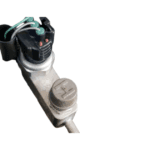
When my car’s air conditioner suddenly started blowing warm air on a scorching summer afternoon, I assumed it simply needed a refrigerant recharge. The compressor would click on for a second, then shut off again.
Sometimes the AC worked perfectly, and other times it refused to cool at all. After a quick inspection, the mechanic discovered the problem wasn’t the compressor or the refrigerant; it was a faulty AC pressure switch.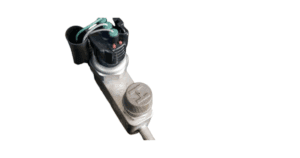 At first, I had never even heard of an AC pressure switch. Yet this inexpensive component was preventing the entire air conditioning system from working properly.
If you’re dealing with inconsistent cooling, a compressor that won’t engage, or mysterious AC problems, understanding the symptoms of a bad AC pressure switch can save you hundreds of dollars in unnecessary repairs.
This guide explains everything you need to know, including warning signs, causes, diagnosis, replacement costs, maintenance tips, and how to choose the right replacement switch.
What Is a Car AC Pressure Switch?
The AC pressure switch is a safety device that monitors the refrigerant pressure inside your vehicle’s air conditioning system.
Its primary job is to protect expensive components,s especially the AC compressor, from damage caused by pressure that is either too low or too high.
When refrigerant pressure falls outside the safe operating range, the switch signals the compressor to turn off. This prevents serious mechanical damage and helps extend the life of the AC system.
How Does an AC Pressure Switch Work?
The switch continuously measures refrigerant pressure. Depending on the pressure reading, it can:
- Turn the compressor on
- Turn the compressor off
- Protect the system from excessive pressure
- Prevent compressor damage caused by low refrigerant
- Help maintain efficient cooling performance
Without a working pressure switch, the compressor could operate under unsafe conditions and fail prematurely.
Common Bad Car AC Pressure Switch Symptoms
Recognizing the early warning signs can help you avoid larger repairs.
1. Warm Air From the Vents
The most common symptom is warm or mildly cool air instead of cold air.
If the pressure switch incorrectly detects unsafe pressure, it may prevent the compressor from running.
2. Compressor Doesn’t Engage
Normally, you’ll hear a noticeable “click” when the compressor clutch engages. A faulty pressure switch may stop this from happening entirely. Common signs include:
- The compressor never starts
- Compressor cycles briefly
- No clicking sound
- AC button lights up but no cooling
3. Compressor Cycles On and Off Frequently
Short cycling is another classic symptom. Instead of running steadily, the compressor repeatedly turns on and off every few seconds. This causes:
- Poor cooling
- Extra wear
- Reduced AC efficiency
4. Inconsistent Cooling
One day, the AC feels ice cold.
The next day, it barely cools.
Intermittent pressure switch failures often produce unpredictable performance.
5. AC Stops Working Completely
If the switch fails internally, the compressor may never receive permission to operate.
The result:
- No cold air
- Compressor disabled
- The cabin remains hot
6. Check Engine Light
Some modern vehicles monitor AC system faults. A defective pressure switch may trigger:
- Check Engine Light
- HVAC warning
- Diagnostic trouble codes
7. Poor Fuel Economy
A malfunctioning AC system can force the compressor to cycle inefficiently, placing unnecessary strain on the engine.
Although the fuel economy difference is usually small, it can become noticeable over time.
8. Unusual Compressor Operation
The compressor may:
- Start unexpectedly
- Shut off randomly
- Run longer than normal
- Refuse to cycle correctly
These irregular behaviors often point toward a faulty pressure switch or refrigerant issue.
Symptoms Comparison Table
| Symptom | Possible Cause | Severity | Recommended Action |
| Warm air from vents | Faulty pressure switch or low refrigerant | Medium | Diagnose system pressure |
| Compressor won’t engage | Failed pressure switch | High | Inspect the electrical circuit |
| Compressor short cycling | Bad pressure switch | Medium | Replace the faulty switch if confirmed |
| Intermittent cooling | Internal switch failure | Medium | Perform pressure and electrical tests |
| Check Engine Light | HVAC fault detected | Medium | Scan diagnostic codes |
| No cooling at all | Pressure switch or compressor problem | High | Inspect immediately |
What Causes an AC Pressure Switch to Fail?
Several factors contribute to pressure switch failure.
Age
Most switches last many years, but internal contacts eventually wear out.
Refrigerant Leaks
Low refrigerant pressure forces the switch to cycle constantly, accelerating wear.
Electrical Problems
Common electrical issues include:
- Corroded connectors
- Damaged wiring
- Loose terminals
- Moisture intrusion
Dirt and Corrosion
Road debris and moisture can contaminate electrical connections, affecting switch performance.
Excessive System Pressure
Overcharging the AC system places extra stress on the switch and other components.
Can a Bad Pressure Switch Damage the Compressor?
Yes. The pressure switch exists specifically to protect the compressor. If the switch fails:
- The compressor may run without enough refrigerant.
- Excessive pressure may build up.
- Internal compressor parts may overheat.
- Repair costs can increase dramatically.
Replacing a faulty pressure switch early can prevent compressor failure.
How Is an AC Pressure Switch Diagnosed?
Professional technicians typically follow these steps:
- Inspect refrigerant pressure with manifold gauges.
- Scan for diagnostic trouble codes.
- Test switch continuity using a multimeter.
- Inspect electrical connectors.
- Check compressor clutch operation.
- Verify voltage supply.
- Compare pressure readings with manufacturer specifications.
Accurate diagnosis is essential because similar symptoms can also be caused by low refrigerant, compressor failure, or electrical faults.
Repair or Replace?
| Problem | Repair | Replace |
| Dirty electrical connector | ✅ | ❌ |
| Loose wiring | ✅ | ❌ |
| Corroded terminals | ✅ | ❌ |
| Internal pressure switch failure | ❌ | ✅ |
| Broken housing | ❌ | ✅ |
| Water-damaged switch | ❌ | ✅ |
In most cases, replacing a failed pressure switch is more reliable than attempting to repair it.
AC Pressure Switch Replacement Cost
The pressure switch itself is relatively inexpensive.
| Vehicle Type | Parts | Labor | Total Cost |
| Economy Car | $20–$60 | $50–$120 | $70–$180 |
| Sedan | $25–$80 | $60–$150 | $85–$230 |
| SUV | $30–$100 | $80–$180 | $110–$280 |
| Luxury Vehicle | $60–$180 | $100–$250 | $160–$430 |
Costs may increase if the AC system needs refrigerant recovery or additional repairs.
My Honest Experience
When my AC began acting strangely, I assumed the compressor had failed, a repair that can be expensive. Thankfully, my mechanic performed a complete diagnosis before replacing any parts.
The real culprit was a faulty pressure switch that occasionally sent incorrect pressure readings to the compressor. Replacing the switch restored normal compressor operation, and the AC immediately started blowing cold air again.
That experience taught me a valuable lesson: never assume the compressor is bad without proper testing. A relatively inexpensive pressure switch can create symptoms that closely resemble major AC failures.
Can You Drive With a Bad AC Pressure Switch?
Usually, yes. A faulty pressure switch generally affects air conditioning rather than the engine. However, delaying repairs isn’t a good idea because:
- Cooling performance will suffer.
- Compressor protection may be compromised.
- Additional AC components could become damaged.
- Future repair costs may increase.
DIY vs Professional Replacement
DIY Replacement
Pros:
- Saves labor costs
- Straightforward on some vehicles
- Good for experienced DIY enthusiasts
Cons:
- Some systems require refrigerant recovery.
- Incorrect installation may cause leaks.
- Misdiagnosis is common without proper tools.
Professional Replacement
Advantages include:
- Accurate diagnosis
- Leak testing
- Proper refrigerant handling
- Warranty on labor
- Correct pressure verification
For most drivers, professional installation offers greater peace of mind.
Tips to Prevent Pressure Switch Failure
Simple maintenance can extend the life of your AC system:
- Run the air conditioner regularly, even during winter.
- Repair refrigerant leaks promptly.
- Avoid overcharging the AC system.
- Keep electrical connectors clean and dry.
- Replace damaged wiring immediately.
- Have the AC system inspected every few years.
Preventive maintenance is far less expensive than replacing major AC components.
Buyer’s Guide: Choosing the Right AC Pressure Switch
Buying the correct pressure switch ensures reliable cooling and protects your compressor.
1. Confirm Vehicle Compatibility
Always verify:
- Vehicle make
- Model
- Year
- Engine size
- VIN (when available)
Different trim levels may use different pressure switches.
2. OEM vs Aftermarket
OEM Advantages
- Exact factory fit
- Proven reliability
- Manufacturer specifications
- Often longer service life
Aftermarket Advantages
- Lower cost
- Wide availability
- Good performance from reputable brands
Choose a trusted aftermarket manufacturer if you’re looking to save money without sacrificing quality.
3. Check Connector Type
Ensure the replacement switch matches:
- Thread size
- Electrical connector
- Pressure rating
- Number of terminals
An incorrect switch may not function properly.
4. Warranty
Look for products offering:
- At least a 12-month warranty
- Strong customer support
- Good replacement policy
5. Read Customer Reviews
Look for comments regarding:
- Ease of installation
- Reliability
- Accurate fitment
- Long-term durability
- Build quality
Positive long-term reviews are often a better indicator than price alone.
Read More: Club Car Carburetor Diagram
FAQs: Bad Car AC Pressure Switch Symptoms
What are the symptoms of a bad AC pressure switch?
The most common symptoms include warm air from the vents, the compressor failing to engage, short cycling, inconsistent cooling, and the AC system shutting down completely.
Can a bad pressure switch prevent the AC compressor from turning on?
Yes. If the switch detects unsafe pressure or fails internally it may disable the compressor to protect the AC system.
Is replacing an AC pressure switch expensive?
No. Compared with other AC repairs, replacing the pressure switch is usually one of the more affordable fixes.
Can I bypass the AC pressure switch?
Temporarily bypassing the switch for diagnostic purposes may be possible, but it should never be used as a permanent solution because it removes an important safety feature.
How long does an AC pressure switch last?
Most pressure switches last many years, but their lifespan depends on vehicle age, refrigerant condition, electrical health, and overall AC maintenance.
Will adding refrigerant fix a bad pressure switch?
No. While low refrigerant can mimic similar symptoms, adding refrigerant will not repair a faulty switch.
Can a bad pressure switch trigger the Check Engine Light?
Yes. Many modern vehicles monitor AC system operation and may store diagnostic trouble codes when a pressure switch fails.
How long does replacement take?
In many vehicles, replacing the pressure switch takes between 30 minutes and 2 hours, depending on accessibility and whether refrigerant recovery is required.
Should I replace the pressure switch or the compressor?
Always diagnose the system first. Many compressor-related symptoms are actually caused by a faulty pressure switch, making a much less expensive repair possible.
How can I extend the life of my AC pressure switch?
Maintain proper refrigerant levels, repair leaks promptly, keep electrical connections clean, and service the air conditioning system according to your vehicle manufacturer’s recommendations.
Final Thoughts
A bad AC pressure switch can produce a surprising range of symptoms, from intermittent cooling to a completely non-functional air conditioner. Fortunately, it’s often one of the least expensive AC components to replace, yet it plays a critical role in protecting the compressor and maintaining efficient system performance.
From my own experience, what seemed like a major compressor failure turned out to be a simple pressure switch replacement. That reinforced the importance of an accurate diagnosis before replacing costly parts.
If your AC is blowing warm air, cycling erratically, or the compressor refuses to engage, don’t overlook the pressure switch; it could be the small component standing between you and cool, comfortable driving.