Checking your engine oil level is one of the easiest maintenance tasks any vehicle owner can do. It only takes a few minutes, requires almost no technical knowledge, and can potentially save you thousands of dollars in engine repairs.
I’ll admit that when I bought my first car, I assumed checking engine oil was something only mechanics needed to do. Like many new drivers, I simply relied on regular servicing and ignored the dipstick completely.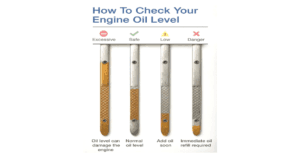 That changed when I noticed my engine making unusual noises during a road trip. Fortunately, the oil level was only slightly low, and topping it up solved the issue before any serious damage occurred.
Since then, checking the oil has become part of my monthly routine. It takes less than five minutes, gives me peace of mind, and helps me catch small issues before they become expensive repairs.
Whether you drive a brand-new SUV, a family sedan, a pickup truck, or an older compact car, this guide will teach you exactly how to check your engine oil level the right way.
Why Engine Oil Is So Important
Engine oil performs several critical jobs inside your engine:
- Lubricates moving parts
- Reduces friction
- Prevents overheating
- Cleans internal engine components
- Prevents rust and corrosion
- Removes contaminants
- Improves engine efficiency
Without enough oil, engine components begin rubbing directly against each other. This creates excessive heat and wear that can eventually destroy the engine.
Signs Your Engine Oil May Be Low
Before checking the dipstick, your vehicle may already show warning signs. Common symptoms include:
- Oil warning light
- Engine knocking sounds
- Louder engine noise
- Burning oil smell
- Reduced fuel economy
- Overheating engine
- Rough engine performance
Never ignore an oil warning light. Check the oil immediately.
When Should You Check Engine Oil?
Most experts recommend checking engine oil:
- Once every month
- Before long road trips
- After every 1,000 miles (1,600 km)
- Before towing heavy loads
- Whenever the oil warning light appears
Older vehicles may require more frequent checks because they often consume oil faster.
What You’ll Need
Fortunately, checking engine oil requires very few tools. You’ll need:
- Clean paper towel or microfiber cloth
- Disposable gloves (optional)
- Flashlight (optional)
- Correct engine oil (if topping up)
Step-by-Step Guide to Checking Engine Oil
Step 1: Park on Level Ground
Always park your vehicle on flat ground.
An uneven surface gives an inaccurate oil reading.
Apply the parking brake.
Step 2: Turn Off the Engine
Shut the engine off.
Allow it to sit for approximately 5–10 minutes.
This gives the oil enough time to drain back into the oil pan.
Step 3: Open the Hood
Locate the hood release inside the cabin.
Open the hood and secure it properly.
Step 4: Locate the Dipstick
The dipstick usually has:
- Yellow handle
- Orange handle
- Bright-colored ring
Consult your owner’s manual if you cannot locate it.
Step 5: Pull Out the Dipstick
Carefully remove it.
The first reading isn’t accurate because oil splashes around while driving.
Step 6: Wipe It Clean
Use a clean cloth or paper towel.
Remove all oil from the dipstick.
Step 7: Insert It Again
Push the dipstick completely back into its tube.
Wait a few seconds.
Step 8: Remove It Again
Now pull it out slowly.
This second reading is the accurate one.
Step 9: Read the Oil Level
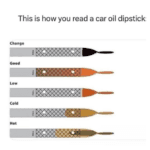
Most dipsticks have:
- MIN
- MAX
Or
- LOW
- FULL
Or
Two small holes
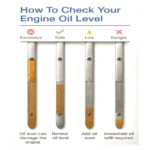
The oil should sit somewhere between MIN and MAX.
Ideally, it should be close to the MAX mark.
Step 10: Check Oil Color
Besides the oil level, inspect its appearance. Healthy oil usually appears:
- Amber
- Golden brown
- Light brown
Dirty oil becomes:
- Very dark
- Thick
- Sludgy
Milky oil may indicate coolant contamination and requires immediate professional inspection.
Understanding Dipstick Readings
| Oil Level | Meaning | Action Needed |
| Above Maximum | Too much oil | Drain excess oil |
| Near Maximum | Perfect | No action needed |
| Middle Range | Safe | Monitor regularly |
| Near Minimum | Add oil soon | Top up gradually |
| Below Minimum | Dangerous | Add oil immediately |
How to Add Engine Oil
If the oil level is low:
- Locate the oil filler cap.
- Remove it.
- Add a small amount of the recommended oil.
- Wait one minute.
- Recheck the dipstick.
- Repeat if necessary.
Never overfill. Adding too much oil can be just as harmful as having too little.
Common Mistakes to Avoid
Many beginners accidentally make these mistakes.
Checking Immediately After Driving
The oil hasn’t settled yet.
Wait at least five minutes.
Parking on a Hill
The reading becomes inaccurate.
Always use level ground.
Not Cleaning the Dipstick
Always wipe it before taking the actual reading.
Overfilling
Too much oil increases crankshaft resistance and may damage seals.
Using the Wrong Oil
Always use the viscosity recommended by your vehicle manufacturer.
Conventional vs Synthetic Engine Oil
| Feature | Conventional Oil | Synthetic Oil |
| Price | Lower | Higher |
| Engine Protection | Good | Excellent |
| Cold Weather Performance | Average | Outstanding |
| High Temperature Stability | Moderate | Excellent |
| Oil Change Interval | Shorter | Longer |
| Fuel Efficiency | Average | Better |
| Engine Cleanliness | Moderate | Excellent |
| Best For | Older vehicles, light driving | Modern engines, extreme conditions |
Personal Experience: Why I Never Skip Checking Oil
Over the years, I’ve learned that checking engine oil is one of those small habits that pay off. On one occasion, I noticed the oil level dropping slightly each month. There were no warning lights, no visible leaks, and the car drove normally.
After mentioning it during routine servicing, the mechanic found a minor valve cover gasket leak. Fixing it early was inexpensive compared to what it could have become if left unnoticed.
That experience reinforced how valuable a quick monthly oil check can be. It’s not just about keeping the engine lubricated; it also helps spot potential problems before they grow into major repairs.
Benefits of Checking Engine Oil Regularly
Routine oil checks offer several advantages:
- Longer engine life
- Better fuel economy
- Improved engine performance
- Reduced repair costs
- Early leak detection
- Lower emissions
- Increased vehicle reliability
- Greater peace of mind before long trips
Even if your car has an electronic oil monitoring system, a manual dipstick check provides an extra layer of confidence.
How Often Should You Change Engine Oil?
Checking the oil level and changing the oil are two different tasks. General guidelines include:
- Conventional oil: every 3,000–5,000 miles (4,800–8,000 km)
- Synthetic blend: every 5,000–7,500 miles (8,000–12,000 km)
- Full synthetic: every 7,500–10,000+ miles (12,000–16,000+ km)
Always follow the maintenance schedule in your owner’s manual, as modern vehicles often have longer service intervals.
Buyer’s Guide: Choosing the Right Engine Oil
Selecting the correct engine oil is just as important as checking its level. Here are the key factors to consider before making a purchase.
1. Follow the Manufacturer’s Recommendation
The owner’s manual specifies the correct oil grade, such as 0W-20, 5W-30, or 10W-40. Using the recommended viscosity ensures proper lubrication and engine performance.
2. Decide Between Conventional and Synthetic
- Conventional oil is suitable for many older vehicles and light driving.
- Synthetic blend offers a balance between cost and performance.
- Full synthetic oil provides the best protection, especially for modern engines, extreme temperatures, heavy traffic, or towing.
3. Check Industry Certifications
Look for recognized certifications on the bottle, such as API or ILSAC standards, which indicate the oil meets current performance requirements.
4. Consider Your Driving Conditions
Choose an oil that matches how you drive:
- Frequent stop-and-go traffic
- Long highway trips
- Hot climates
- Cold winters
- Heavy towing
- High-mileage vehicles
Some manufacturers also offer high-mileage oils designed for engines with significant wear.
5. Don’t Choose Based on Price Alone
A slightly more expensive oil that matches your vehicle’s requirements can provide better protection and longer service intervals, making it a better long-term value.
Tips for First-Time Car Owners
If you’re new to vehicle maintenance, these simple habits can make ownership easier:
- Check oil once a month.
- Keep a small bottle of the correct oil in your trunk.
- Record the date and mileage after every oil change.
- Watch for oil spots where you park.
- Learn where the dipstick and filler cap are located.
- Never ignore unusual engine noises or warning lights.
Developing these habits early can reduce unexpected repair bills and extend your engine’s lifespan.
Read More: How To Check Motor Oil
FAQs: How To Check Engine Oil Level
1. How often should I check my engine oil level?
A good rule is once a month, before long trips, or whenever the oil warning light comes on.
2. Can I check engine oil when the engine is hot?
Yes, but it’s best to switch off the engine and wait 5–10 minutes so the oil can drain back into the oil pan for an accurate reading.
3. What color should healthy engine oil be?
Fresh oil is usually amber or light brown. Over time, it darkens, which is normal. However, thick, sludgy, or milky oil may indicate a problem.
4. Is it bad to slightly overfill engine oil?
Yes. Too much oil can create excess pressure, foam, and increased resistance inside the engine, potentially damaging seals and other components.
5. Can low engine oil damage my car?
Absolutely. Running an engine with insufficient oil can lead to overheating, excessive wear, and even complete engine failure.
6. Does synthetic oil last longer?
In many vehicles, yes. Full synthetic oil generally offers longer service intervals and better protection under demanding conditions, provided the vehicle manufacturer approves its use.
7. What happens if I never check my oil?
You may miss slow oil consumption or leaks. If the oil level falls too low, the engine can suffer severe damage before warning signs become obvious.
8. Should I check oil before or after driving?
For the most accurate reading, check it after the engine has been turned off for several minutes on level ground.
9. Why is my oil level dropping between oil changes?
Some engines naturally consume a small amount of oil, but noticeable drops may indicate leaks or increased oil consumption. If you’re adding oil frequently, have the vehicle inspected.
10. Do newer cars still have dipsticks?
Many do, but some newer models rely on electronic oil level sensors. Check your owner’s manual to see how your vehicle measures oil level.
Final Thoughts
Checking your engine oil level is one of the simplest yet most valuable maintenance habits you can develop. In just a few minutes each month, you can help prevent costly repairs, improve engine performance, and extend the life of your vehicle.
From personal experience, this small routine provides reassurance that your engine is properly protected. Whether you’re driving an older daily commuter or a brand-new family SUV, taking the time to inspect the oil level can uncover small issues before they become major problems.
Think of it as a quick health check for your engine. A clean dipstick, the correct oil level, and the right type of oil all work together to keep your vehicle running smoothly for years to come. Regular attention today can save significant time, money, and stress down the road.