Most drivers barely think about their cabin air filter until something starts smelling weird inside the car. I was exactly the same. For years, I changed engine oil on time, rotated tires, and kept up with maintenance but the cabin air filter? Completely ignored.
That changed after one summer road trip when my car’s AC suddenly felt weak, dusty, and honestly unpleasant. The airflow dropped, there was a strange musty smell, and every time I turned on the fan, my allergies got worse.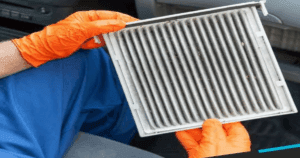 Turns out, the cabin air filter looked like it had survived a sandstorm. That experience taught me something simple: a dirty cabin air filter affects way more than people realize.
If you’re wondering how often you should change your cabin air filter, the short answer is: Most cars need a new cabin air filter every 12,000 to 15,000 miles or once a year.
But real-world driving conditions matter a lot. Dusty roads, city pollution, pets, allergies, and heavy AC usage can shorten that interval significantly. In this detailed guide, I’ll explain:
- What a cabin air filter actually does
- How often it should be replaced
- Signs your filter is overdue
- Different filter types explained
- Personal experience with replacement intervals
- A comparison table of top cabin air filters
- Buyer’s guide
- FAQs
- Money-saving maintenance tips
Let’s get into it.
What Is a Cabin Air Filter?
A cabin air filter cleans the air entering your vehicle through the heating and air conditioning system. Think of it as your car’s indoor air purifier. It traps:
- Dust
- Pollen
- Dirt
- Mold spores
- Smoke particles
- Pollution
- Road debris
- Allergens
Without it, all that stuff blows directly into your cabin. Modern vehicles rely heavily on cabin air filters, especially in cities where pollution levels are high. If you drive regularly in traffic, your filter works hard every single day.
Why Cabin Air Filters Matter More Than You Think
Before replacing mine, I assumed the filter was only about air cleanliness. I was wrong. A clogged cabin air filter can affect:
1. AC Performance
A dirty filter restricts airflow. Your AC feels weaker even when the fan is on high.
2. Heater Efficiency
Reduced airflow impacts heating performance during winter.
3. Interior Air Quality
Dust, pollen, and pollutants stay trapped instead of circulating inside your car.
4. Allergies
This was huge for me personally. Once I installed a fresh filter, sneezing while driving dropped dramatically.
5. HVAC System Longevity
A clogged filter makes your blower motor work harder, potentially shortening HVAC lifespan.
How Often Should You Change Your Cabin Air Filter?
Here’s the realistic breakdown.
| Driving Condition | Recommended Replacement Interval |
| Normal driving | Every 12,000–15,000 miles |
| Heavy city traffic | Every 10,000 miles |
| Dusty/rural roads | Every 5,000–8,000 miles |
| High-pollution areas | Every 8,000–10,000 miles |
| Allergy sufferers | Every 6 months |
| Rarely driven vehicles | Once yearly minimum |
My Personal Experience With Cabin Air Filter Replacement
I drive mostly in urban traffic with occasional highway trips. The first time I checked my cabin air filter was after nearly two years.
Bad idea. The filter was packed with:
- Dust
- Leaves
- Tiny bugs
- Black debris
- Gray buildup from pollution
The difference after replacement was immediate. Within minutes I noticed:
- Stronger AC airflow
- Cleaner smell
- Less dust on dashboard surfaces
- Faster cooling
- Reduced allergy irritation
Now I replace mine roughly every 10–12 months. Honestly, it’s one of the cheapest upgrades that noticeably improves driving comfort.
Common Signs Your Cabin Air Filter Needs Replacement
Most cars won’t flash a warning light for this. You need to notice the symptoms yourself.
Weak Airflow
If air barely comes through vents even on high fan settings, the filter may be clogged.
Bad Odors
Musty or dirty smells when using AC often point to a contaminated filter.
Increased Allergies
Sneezing, coughing, or irritated eyes inside the vehicle can indicate poor filtration.
Foggy Windows
Restricted airflow may reduce defogging performance.
Noisy HVAC Fan
A struggling blower motor sometimes sounds louder when airflow is blocked.
Dusty Cabin
Excess dust accumulation inside your car can signal reduced filter effectiveness.
Types of Cabin Air Filters
Not all cabin air filters are equal. Here are the main types.
1. Particulate Filters
Basic and affordable. They trap:
- Dust
- Dirt
- Pollen
Best for:
- Budget-conscious drivers
2. Activated Carbon Filters
These include charcoal layers that absorb odors and harmful gases. Excellent for:
- City driving
- Pollution-heavy areas
- Smell reduction
This is personally my favorite type.
3. HEPA Cabin Filters
Premium-level filtration. They capture:
- Microscopic particles
- Allergens
- Fine pollutants
Great for:
- Allergy sufferers
- Asthma-sensitive drivers
More expensive but highly effective.
Cabin Air Filter Comparison Table
| Filter Type | Filtration Quality | Odor Removal | Lifespan | Price Range | Best For |
| Basic Particulate | Moderate | Low | 12 months | Low | Budget drivers |
| Activated Carbon | High | Excellent | 12 months | Medium | City driving |
| HEPA Filter | Very High | Excellent | 12–18 months | High | Allergy sufferers |
| Electrostatic Filter | High | Moderate | 12 months | Medium | Dust-heavy environments |
Best Cabin Air Filters Worth Buying
Here are some popular options drivers consistently rate highly.
Bosch HEPA Cabin Filter
Excellent airflow and premium allergen filtration.
Pros:
- Great for allergies
- Durable
- Strong airflow
Cons:
- Slightly expensive
FRAM Fresh Breeze Cabin Air Filter
A strong balance between cost and performance.
Pros:
- Affordable
- Includes baking soda odor control
- Easy installation
Cons:
- Slightly shorter lifespan
K&N Washable Cabin Air Filter
Reusable and eco-friendly.
Pros:
- Long-term savings
- Washable design
Cons:
- Higher upfront cost
EPAuto Activated Carbon Filter
Budget-friendly and surprisingly effective.
Pros:
- Great value
- Good odor control
Cons:
- Basic packaging
Can You Replace a Cabin Air Filter Yourself?
Absolutely. This is one of the easiest car maintenance tasks for beginners. Most cabin air filters sit:
- Behind the glove box
- Under the dashboard
- Under the hood near windshield cowl
Typical replacement time:
- 5 to 15 minutes
Tools needed:
- Usually none
I replaced mine using a YouTube tutorial and it took less than 10 minutes.
Dealerships often charge:
- $50–$120 total
DIY cost:
- $15–$35 for the filter
Huge difference.
Step-by-Step Cabin Air Filter Replacement
Step 1: Find the Filter Location
Check your owner’s manual.
Step 2: Remove Cover
Usually clips or tabs.
Step 3: Pull Out Old Filter
Pay attention to airflow direction arrows.
Step 4: Clean Housing Area
Remove leaves or debris.
Step 5: Install New Filter
Match airflow arrows correctly.
Step 6: Reassemble
Close everything securely.
Done.
What Happens If You Never Change It?
This is where many drivers underestimate the issue. Ignoring the cabin air filter can lead to:
- Weak AC cooling
- Mold buildup
- Bad smells
- Increased allergens
- Reduced airflow
- HVAC strain
- Fogging issues
- More dust inside cabin
While it won’t destroy your engine, it absolutely impacts comfort and HVAC performance.
Cabin Air Filter vs Engine Air Filter
People confuse these constantly.
| Feature | Cabin Air Filter | Engine Air Filter |
| Purpose | Cleans air for passengers | Cleans air entering engine |
| Affects engine performance | No | Yes |
| Affects cabin comfort | Yes | No |
| Replacement interval | 12k–15k miles | 15k–30k miles |
| Location | Cabin HVAC system | Engine compartment |
Both matter, but for different reasons.
Is an Expensive Cabin Air Filter Worth It?
After trying both cheap and premium filters, I’d say:
Cheap Filters
Fine for basic dust protection.
Mid-Range Activated Carbon Filters
Best overall value.
Premium HEPA Filters
Worth it if:
- You have allergies
- Live in polluted cities
- Drive daily in traffic
Personally, activated carbon filters hit the sweet spot for price and comfort.
Seasonal Cabin Air Filter Tips
Summer
Replace before heavy AC season.
Spring
Important for pollen allergies.
Winter
Helps prevent window fogging.
Rainy Season
Moisture can encourage mold growth in old filters.
How Driving Environment Changes Replacement Frequency
This matters more than mileage alone.
City Drivers
Pollution clogs filters faster.
Rural Drivers
Dust and dirt shorten lifespan.
Pet Owners
Pet hair and dander accelerate contamination.
Smokers
Filters absorb smoke odors quickly.
Construction Areas
Dust buildup becomes extreme.
Are Washable Cabin Air Filters Good?
I tried one briefly.
Pros:
- Reusable
- Eco-friendly
- Long-term savings
Cons:
- Cleaning takes effort
- Performance can decline over time
- Some don’t filter as well as disposable HEPA options
For convenience, I still prefer disposable activated carbon filters.
Cabin Air Filter Maintenance Tips
Vacuum Around Intake Area
Leaves and debris often collect near the windshield intake.
Replace Before Long Trips
Fresh airflow makes road trips more comfortable.
Keep Windows Closed in Heavy Traffic
Reduces pollution entering the HVAC system.
Don’t Ignore Smells
Bad odors usually indicate contamination.
Cost of Cabin Air Filter Replacement
Here’s what most drivers can expect.
| Replacement Type | Average Cost |
| DIY basic filter | $15–$25 |
| DIY premium filter | $25–$50 |
| Mechanic replacement | $50–$120 |
| Luxury vehicle service | $100–$200 |
DIY is usually the smartest option.
Buyer’s Guide: Choosing the Best Cabin Air Filter
Buying the right cabin air filter depends on your driving habits and priorities. Here’s what to look for.
1. Compatibility
Always check:
- Vehicle make
- Model
- Year
- Engine type
Not all filters fit every car.
2. Filter Material
Paper Filters
Cheap but basic.
Carbon Filters
Better odor and pollution protection.
HEPA Filters
Best filtration performance.
3. Driving Conditions
| Environment | Best Filter Choice |
| Urban traffic | Activated carbon |
| Allergy-prone areas | HEPA |
| Rural dusty roads | Electrostatic |
| Budget driving | Standard particulate |
4. Brand Reputation
Trusted brands generally offer:
- Better fitment
- Stronger filtration
- Longer durability
5. Ease of Installation
Some filters are beginner-friendly while others are awkwardly placed.
YouTube tutorials help enormously.
6. Price vs Value
Avoid ultra-cheap unknown filters. A slightly better filter often lasts longer and performs noticeably better.
Read More: How Do You Check The Oil Level In Your Car
FAQs: How Often Should You Change Car Cabin Air Filter
How often should I really change my cabin air filter?
Most drivers should replace it every 12,000–15,000 miles or once yearly.
Can a dirty cabin air filter affect AC cooling?
Yes. Restricted airflow can make your AC feel weak and inefficient.
Is changing a cabin air filter difficult?
Usually no. Many cars allow replacement in under 15 minutes.
Does a cabin air filter improve fuel economy?
Not directly, but it can reduce HVAC strain slightly.
What does a bad cabin air filter smell like?
Common odors include:
- Musty smells
- Moldy odors
- Dusty air
- Sour AC smell
Can I clean instead of replace it?
Disposable filters should be replaced. Washable filters can be cleaned.
Are HEPA cabin filters worth it?
Yes for:
- Allergy sufferers
- Asthma-sensitive drivers
- Heavy city commuters
Will a dirty cabin filter damage my car?
Not usually the engine, but it can strain HVAC components over time.
How much does a cabin air filter cost?
Most range from $15 to $50 depending on quality.
Does every car have a cabin air filter?
Most modern vehicles do, but some older cars may not.
Conclusion
Cabin air filters are one of the most overlooked maintenance items in modern vehicles. I ignored mine for too long and immediately noticed the difference after replacing it. Cleaner air, stronger AC, fewer odors, and better comfort made it feel like a mini car refresh.
If your vents smell strange, airflow feels weak, or allergies worsen while driving, your cabin air filter may be trying to tell you something. Replacing it is inexpensive, simple, and genuinely worth doing on schedule.