If you have ever heard a car roaring down the street sounding like a race car or a motorcycle, there’s a good chance its muffler was damaged, modified, or missing entirely.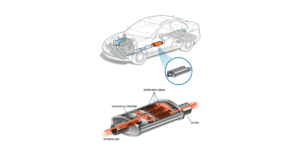 The muffler is one of those car parts most drivers rarely think about until something goes wrong. So, what does a muffler actually do on a car? In simple terms, a muffler reduces engine noise and helps direct exhaust gases safely out of the vehicle.
It is a key component of the exhaust system and plays a major role in keeping your car quiet, comfortable, and road-legal. But there’s much more happening inside a muffler than most people realize. A modern muffler also affects:
- Engine performance
- Fuel efficiency
- Cabin comfort
- Emissions flow
- Driving experience
Whether you drive a compact sedan, a diesel truck, or a performance sports car, understanding how a muffler works can help you diagnose problems early and choose the right replacement when needed.
In this complete guide, we’ll cover everything you need to know about car mufflers in an easy-to-understand way.
Quick Overview: What a Muffler Does
| Function | What It Does |
| Reduces Noise | Silences loud engine exhaust sounds |
| Controls Exhaust Flow | Helps channel exhaust gases safely |
| Improves Comfort | Makes driving quieter and smoother |
| Supports Engine Efficiency | Helps maintain balanced back pressure |
| Reduces Vibration | Minimizes harsh exhaust resonance |
| Keeps Vehicle Legal | Helps meet local noise regulations |
What Is a Muffler?
A muffler is a metal component located in the exhaust system, usually near the rear of the vehicle. Its primary job is to reduce the sound produced by the engine during combustion.
Every time your engine burns fuel, tiny explosions occur inside the cylinders. These explosions create pressure waves and gases that travel through the exhaust system. Without a muffler, those pressure waves would create extremely loud noise.
The muffler acts like a sound-control chamber. Inside the muffler are carefully designed tubes, chambers, and perforations that cancel or absorb sound waves before they exit the tailpipe.
Where Is the Muffler Located?
The muffler is typically found:
- Under the rear section of the vehicle
- Connected to the exhaust pipes
- Before the tailpipe exit
On most vehicles, you can spot the muffler by crouching behind the car and looking underneath. It usually appears as a large metal canister.
How Does a Muffler Work?
A muffler works by using acoustic engineering to reduce sound energy generated by the engine. Here’s a simple breakdown of the process:
- The engine creates exhaust gases.
- Exhaust gases travel through exhaust pipes.
- Loud pressure waves enter the muffler.
- Internal chambers disrupt and cancel sound waves.
- Reduced-noise gases exit through the tailpipe.
Inside a Muffler: Key Components
Most mufflers contain:
| Component | Purpose |
| Resonating Chambers | Cancel sound frequencies |
| Perforated Tubes | Redirect airflow |
| Baffles | Reduce pressure waves |
| Insulation Material | Absorb sound vibrations |
| Exhaust Inlet/Outlet | Direct gas flow |
Different muffler designs use different methods to reduce noise.
Types of Mufflers
Not all mufflers are the same. Some prioritize silence, while others focus on performance or aggressive sound.
1. Chambered Mufflers
These use internal chambers to reflect sound waves and cancel noise.
Pros
- Deep exhaust tone
- Durable design
- Popular in muscle cars
Cons
- Can restrict airflow slightly
Best for:
- Performance vehicles
- Muscle cars
2. Turbo Mufflers
Turbo mufflers use S-shaped tubes to improve flow while reducing noise.
Pros
- Balanced sound
- Better performance
- Moderate noise level
Cons
- Slightly louder than stock
Best for:
- Daily drivers
- Mild performance upgrades
3. Straight-Through Mufflers
These use a perforated straight pipe wrapped in sound-absorbing material.
Pros
- Excellent airflow
- Increased horsepower potential
- Aggressive sound
Cons
- Louder exhaust note
Best for:
- Sports cars
- Modified vehicles
4. Glasspack Mufflers
Glasspacks use fiberglass packing around a perforated core.
Pros
- Very loud
- Lightweight
- Cheap
Cons
- Can become noisy over time
Best for:
- Custom hot rods
- Classic builds
Muffler vs Resonator
Many people confuse mufflers with resonators. Here’s the difference:
| Feature | Muffler | Resonator |
| Main Purpose | Reduce overall exhaust noise | Fine-tune sound frequencies |
| Sound Effect | Major noise reduction | Removes drone/humming |
| Location | Rear exhaust system | Before muffler |
| Performance Impact | Moderate | Minimal |
| Required? | Usually yes | Sometimes optional |
A resonator works alongside the muffler to create a smoother exhaust tone.
Signs of a Bad Muffler
A failing muffler can cause several noticeable symptoms.
1. Excessive Noise
The most obvious sign is a louder-than-normal exhaust sound. You may hear:
- Roaring
- Rumbling
- Hissing
- Popping
2. Rust or Holes
Mufflers are exposed to:
- Water
- Salt
- Dirt
- Heat
Over time, rust can eat through the metal.
3. Reduced Fuel Economy
A damaged muffler can disrupt exhaust flow and slightly reduce efficiency.
4. Bad Smells
Leaks may allow exhaust fumes to escape underneath the car. This can become dangerous if fumes enter the cabin.
5. Rattling Sounds
Loose internal baffles often create rattling noises.
6. Failed Emissions Test
Although the muffler itself does not directly control emissions, damaged exhaust systems can affect testing results.
Can You Drive with a Bad Muffler?
Technically yes but it’s not recommended. Driving with a damaged muffler can lead to:
- Excessive noise
- Exhaust leaks
- Carbon monoxide exposure
- Reduced comfort
- Legal issues
In many areas, loud exhaust systems violate local noise laws.
Does a Muffler Affect Performance?
Yes, but the effect depends on the muffler design. Performance mufflers can:
- Improve airflow
- Reduce back pressure
- Increase horsepower slightly
- Enhance throttle response
However, removing too much restriction can sometimes hurt low-end torque on certain engines.
Does a Muffler Affect Fuel Economy?
A properly functioning muffler helps maintain efficient exhaust flow. A severely clogged or damaged muffler may:
- Reduce MPG
- Increase engine strain
- Affect combustion efficiency
However, the fuel economy gains from aftermarket mufflers are usually small.
What Happens If You Remove the Muffler?
This is called a “muffler delete.” Some drivers remove mufflers for:
- Louder sound
- Slight weight reduction
- Aggressive exhaust tone
But there are downsides.
Pros
- Louder exhaust
- Slightly better airflow
- Lower exhaust weight
Cons
- Extremely loud noise
- Possible legal trouble
- Cabin drone
- Potential emissions issues
- Reduced driving comfort
For most daily drivers, a muffler delete becomes annoying over time.
How Long Does a Muffler Last?
A muffler typically lasts:
- 5 to 10 years
- Sometimes longer in dry climates
Factors affecting lifespan include:
- Road salt
- Humidity
- Driving habits
- Exhaust temperature
- Metal quality
Stainless steel mufflers generally last much longer than aluminized steel versions.
Muffler Replacement Cost
The cost depends on:
- Vehicle type
- Muffler material
- Labor rates
- OEM vs aftermarket
Average Muffler Replacement Costs
| Vehicle Type | Typical Cost |
| Compact Car | $150–$400 |
| Sedan | $200–$500 |
| SUV | $250–$700 |
| Truck | $300–$900 |
| Performance Car | $500–$2,000+ |
Luxury and sports vehicles often have expensive exhaust systems.
OEM vs Aftermarket Mufflers
OEM Mufflers
OEM means Original Equipment Manufacturer.
Pros
- Quiet operation
- Factory fit
- Reliable
Cons
- More restrictive
- Sometimes expensive
Aftermarket Mufflers
Designed for performance or custom sound.
Pros
- Better airflow
- Aggressive sound
- Stylish appearance
Cons
- Can be louder
- Quality varies
Best Muffler Materials
1. Aluminized Steel
Pros
- Affordable
- Common
Cons
- Rusts faster
2. Stainless Steel
Pros
- Rust resistant
- Long lifespan
- Premium quality
Cons
- More expensive
3. Titanium
Pros
- Extremely lightweight
- Corrosion resistant
Cons
- Very expensive
Performance Mufflers Explained
Performance mufflers are designed to maximize airflow while controlling noise. Popular benefits include:
- Deeper exhaust tone
- Reduced restriction
- Enhanced driving feel
- Slight horsepower gains
Some popular performance styles include:
- Cat-back systems
- Axle-back systems
- Straight-through mufflers
Do Mufflers Increase Horsepower?
A performance muffler can increase horsepower slightly by improving exhaust flow. Typical gains:
- 2–15 horsepower
- Depends on engine and setup
Turbocharged vehicles often benefit more from freer-flowing exhaust systems.
Muffler Maintenance Tips
Keeping your muffler healthy can extend its life significantly.
Inspect Regularly
Check for:
- Rust
- Leaks
- Loose hangers
- Cracks
Avoid Short Trips
Short trips create moisture buildup inside the exhaust system.
Wash Salt Off in Winter
Road salt accelerates corrosion.
Listen for Changes
Exhaust sound changes often signal developing issues.
How to Choose the Right Muffler
Choosing a muffler depends on your goals.
For Quiet Comfort
Choose:
- OEM-style mufflers
- Chambered designs
Best for:
- Family cars
- Commuters
For Performance
Choose:
- Straight-through mufflers
- Stainless steel construction
Best for:
- Sports cars
- Tuned vehicles
For Budget Builds
Choose:
- Aluminized steel
- Turbo mufflers
Best for:
- Daily driving
Buyer’s Guide: Choosing the Best Muffler
Buying the right muffler can dramatically change how your car sounds and performs. Here are the most important factors to consider before purchasing one.
1. Vehicle Compatibility
Always ensure the muffler fits your:
- Make
- Model
- Engine size
- Exhaust diameter
Universal mufflers may require welding or modifications.
2. Sound Preference
Think carefully about how loud you want your car to be.
Quiet
- OEM mufflers
- Chambered mufflers
Moderate
- Turbo mufflers
Aggressive
- Straight-through mufflers
- Glasspacks
Watching online sound clips helps narrow down choices.
3. Material Quality
If you live in wet or snowy climates, stainless steel is worth the extra cost.
Best Choices
- 409 stainless steel
- 304 stainless steel
4. Performance Goals
For maximum horsepower:
- Larger piping
- Straight-through designs
- High-flow exhaust systems
For daily comfort:
- Mild performance mufflers work better.
5. Budget
Prices range widely.
| Type | Typical Price |
| Budget Muffler | $50–$150 |
| Mid-Range Performance | $150–$400 |
| Premium Systems | $500–$2,000+ |
6. Legal Requirements
Some aftermarket mufflers may violate local noise regulations. Always check:
- State laws
- Noise limits
- Inspection requirements
My Personal Take on Mufflers
After driving vehicles with both factory and aftermarket mufflers, the biggest thing I’ve learned is that balance matters.
An extremely loud exhaust may seem exciting at first, but constant drone during highway driving can quickly become tiring. On the other hand, a completely silent exhaust sometimes removes the character from a fun car.
For most drivers, a moderate-performance muffler offers the best compromise:
- Better sound
- Improved airflow
- Comfortable daily driving
If reliability matters most, OEM-style stainless steel mufflers remain the safest choice.
Common Muffler Myths
“Louder Means More Power”
Not always. Some loud mufflers actually hurt performance due to poor design.
“Removing the Muffler Adds Huge Horsepower”
The gains are usually small on stock engines.
“All Mufflers Sound the Same”
Different designs create dramatically different tones.
“Performance Mufflers Ruin Fuel Economy”
Most modern systems have little effect on MPG when properly installed.
Environmental Impact of Mufflers
Mufflers themselves do not clean emissions, but they work alongside:
- Catalytic converters
- Resonators
- Exhaust piping
A damaged exhaust system may:
- Increase pollution
- Create leaks
- Affect emissions testing
Can a Muffler Cause Check Engine Lights?
Usually not directly. However, exhaust leaks near oxygen sensors can trigger:
- Check engine lights
- Fuel mixture errors
- Emissions codes
DIY Muffler Replacement vs Professional Installation
DIY Installation
Possible if you have:
- Jack stands
- Cutting tools
- Welding equipment
Challenges
- Rusted bolts
- Pipe alignment
- Exhaust leaks
Professional Installation
Recommended for:
- Performance systems
- Welded setups
- Complex exhaust routing
Read More: How Do You Check The Oil Level In Your Car
FAQs: What Does A Muffler Do On A Car
What is the main purpose of a muffler?
The main purpose of a muffler is to reduce engine exhaust noise while directing gases safely out of the vehicle.
Can a bad muffler damage the engine?
A severely clogged muffler can create excessive back pressure that may affect engine performance over time.
Is it illegal to drive without a muffler?
In many areas, yes. Most regions have noise regulations requiring functioning mufflers.
How much does it cost to fix a muffler?
Minor repairs may cost $50–$200, while full replacement can range from $150–$900 or more.
Does a performance muffler improve horsepower?
Yes, but gains are usually modest unless combined with other engine modifications.
Why is my muffler rattling?
Internal baffles may have become loose due to rust or damage.
How long should a muffler last?
Most mufflers last between 5 and 10 years depending on climate and driving conditions.
What causes mufflers to rust?
Moisture, road salt, and condensation inside the exhaust system are the main causes.
Can I replace just the muffler?
Yes. In many cases, only the muffler section needs replacement.
Do electric cars have mufflers?
No. Electric vehicles do not use combustion engines, so they do not need traditional exhaust systems or mufflers.
Final Thoughts
So, what does a muffler do on a car? At its core, the muffler controls exhaust noise and improves driving comfort. But it also contributes to exhaust flow, vehicle refinement, and overall driving experience. A good muffler:
- Keeps your vehicle quiet
- Prevents annoying drone
- Supports efficient exhaust flow
- Helps maintain legal noise levels
Whether you prefer factory silence or a deep performance growl, choosing the right muffler can transform how your car feels every time you drive.
For most everyday drivers, a quality stainless steel muffler with balanced sound control is the smartest long-term investment.