Tires are one of those car upgrades most people don’t think about until they absolutely have to. You drive on them every single day, through rain, heat, potholes, road trips, and daily commutes, yet they’re often an afterthought until the tread is gone or the car starts sliding more than it should.
I’ve been there. Over the years, I’ve personally driven on both Falken tires and Michelin tires across different vehicles, driving styles, and road conditions. From daily commuting and highway cruising to spirited backroad driving and long-distance road trips, I’ve had enough seat time to form a real opinion.
This article isn’t sponsored. It’s not written from a lab or based on marketing claims. This is my honest experience with Falken Tires vs. Michelin, written from the perspective of a real U.S. driver who has paid out of pocket and lived with these tires long-term.
If you’re trying to decide whether to save money with Falken or invest more in Michelin, this review is for you.

What I Like
What I Like About Falken Tires
Let’s start with Falken. The biggest thing I like about Falken tires is the value for money. Plain and simple. You often get 80–90% of the performance of premium brands for significantly less cash.
Here’s what stood out to me:
- Excellent grip for the price
- Sporty handling feel
- Solid dry traction
- Respectable wet performance (depending on model)
- Aggressive tread designs
- Competitive warranties
On my first set of Falkens (the Falken Azenis line), I was genuinely surprised at how confident the car felt during cornering. Steering response was sharp, and the tires felt planted, especially considering I paid hundreds less than I would have for Michelin equivalents.
Falken also deserves credit for improving over the years. Their newer tire compounds and designs are far better than their older reputation suggests.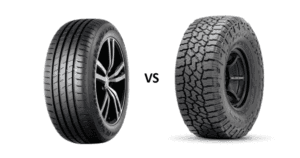
What I Like About Michelin Tires
Michelin, on the other hand, feels like the gold standard for a reason. What I immediately noticed with Michelin tires is how refined and balanced everything feels.
There’s no single standout trait; instead, everything works together seamlessly. Here’s what I consistently love about Michelin:
- Exceptional ride comfort
- Outstanding wet traction
- Quiet operation
- Long tread life
- Predictable handling
- Premium build quality
The first time I mounted Michelin tires, the difference in road noise was immediately noticeable. Highway driving felt smoother, quieter, and less fatiguing.
Michelin tires just feel polished, like every detail was carefully engineered. If Falken feels sporty and aggressive, Michelin feels mature and confident. 👉🏿👉🏻 Check the Latest Price and Offer at Amazon 👈🏻👈🏿
What Could Be Better
Where Falken Tires Could Improve
As much as I like Falken, they’re not perfect. The biggest downside I’ve experienced is tread life consistency.
Some Falken models wear faster than expected, especially if you drive aggressively or do a lot of highway miles. Other areas that could improve:
- Road noise increases over time
- Wet performance varies greatly by model
- Ride comfort isn’t always the best
- Cold-weather grip can be average
Falken tires tend to be louder as they age, especially once they’re past the halfway tread point. If you’re sensitive to noise, this is something to consider.
Where Michelin Tires Could Improve
Michelin’s main weakness is also the most obvious one: price. They are expensive, sometimes shockingly so. Other drawbacks include:
- High upfront cost
- Less aggressive tread designs
- Not always the sportiest feel
- Overkill for budget vehicles
In some cases, I’ve felt like I was paying for refinement I didn’t necessarily need. If you’re driving an older car or just commuting short distances, Michelin might be a better tire than you require.
My Personal Experience
Living With Falken Tires
I’ve run Falken tires on sedans, coupes, and even performance-oriented vehicles. Overall, the experience has been positive. Daily driving felt confident.
Acceleration grip was solid, braking distances felt safe, and cornering stability exceeded expectations for the price point. Where Falken really shines is enthusiastic driving on a budget.
If you enjoy spirited driving but don’t want to break the bank, Falken makes a lot of sense. However, long highway trips revealed some noise and comfort drawbacks compared to Michelin.
Living With Michelin Tires
Michelin tires made my car feel more expensive than it actually was. Long drives were quieter. Rainy conditions felt safer. Emergency braking felt more controlled. Everything just worked.
What impressed me most was how consistent Michelin tires remained over time. Even after tens of thousands of miles, performance didn’t drop off dramatically. For daily driving, family cars, and road trips, Michelin truly shines.
Design
Falken Tire Design
Falken tires often feature bold, aggressive tread patterns. They look sporty and performance-focused, which many drivers love.
Pros:
- Eye-catching tread designs
- Sporty sidewalls
- Performance-oriented aesthetics
Cons:
- Can increase road noise
- Not always optimized for comfort
 👉🏿👉🏻 Check The Latest Price and Offer at Amazon 👈🏻👈🏿
Michelin Tire Design
Michelin designs prioritize function over flash.
Pros:
- Smooth tread transitions
- Reduced noise channels
- Optimized water evacuation
Cons:
- Conservative appearance
- Less aggressive look
Michelin tires don’t scream performance; they quietly deliver it.
Performance
Falken Performance
- Strong dry grip
- Good steering response
- Decent braking
- Sporty handling
However, wet performance depends heavily on the specific model.
Michelin Performance
- Excellent wet grip
- Predictable handling
- Short braking distances
- Stable highway cruising
Michelin excels in real-world conditions, not just ideal ones.
Build Quality
Falken Build Quality
Falken tires are well-built for their price range, but don’t feel quite as refined as Michelin. You get solid construction, but sometimes less uniform wear.
Michelin Build Quality
Michelin’s quality control is top-tier. The rubber compounds feel premium, and the tires wear evenly over time.
Alternative Option
If you’re still undecided between Falken Tires VS Michelin, here are a few alternatives worth considering:
- Continental
- Bridgestone
- Goodyear
- Pirelli
- Yokohama
Each brand sits somewhere between Falken and Michelin in terms of price and performance.
Final Thought
So, after years of driving on both brands, here’s my honest verdict: Falken Tires VS Michelin comes down to priorities.
- Choose Falken if you want great performance on a budget
- Choose Michelin if you value comfort, longevity, and refinement
Personally, I use Falken on fun cars and Michelin on daily drivers. Neither brand is “better” for everyone, but one will be better for you.
Read More: Who Makes Firestone Tires | My Honest Experience
FAQs: Falken Tires VS Michelin | My Honest Experience
Are Falken tires as good as Michelin?
They’re very good for the price but not quite as refined or long-lasting.
Do Michelin tires last longer?
Yes, Michelin tires generally have superior tread life.
Are Falken tires noisy?
They can become louder over time, depending on the model.
Are Michelin tires worth the price?
If you drive a lot or value comfort and safety, yes.
Which is better for performance driving?
Falken offers excellent performance value; Michelin offers balanced performance.