If you’ve ever shopped for tires, whether online or at your local tire shop, you’ve almost definitely come across the Firestone brand. Their big, bold logo has been sitting in auto shops across America for what feels like forever.
And for a long time, I wondered: Who actually makes Firestone tires? Are they still the same old classic American tire company my grandfather swore by, or have things changed behind the scenes?
Before I bought my most recent set of tires, I decided to dig in. I didn’t just want a new set of wheels; I wanted something reliable, safe, long-lasting, a nd let’s be real, affordable.
Firestone kept popping up as a budget-friendly option with a legacy behind it. But legacy only gets you so far these days, so I wanted to know the truth: Who makes Firestone tires today, and do they still live up to their reputation?
This article is my honest, firsthand experience, mixed with real research, hands-on use, and some good old-fashioned American consumer skepticism. This isn’t a brand-sponsored breakdown; it’s just me sharing what I learned, what I liked, what I didn’t, and how Firestone stacks up against other tire brands I’ve used over the years.
So buckle up (pun absolutely intended). Here’s everything you need to know about who makes Firestone tires, plus the deep dive I wish someone had written before I hit “Buy Now.”

What I Like
Let’s start with the positives, because honestly, Firestone surprised me in several areas.
1. Strong Heritage Backed by a Major Tire Giant
What I learned quickly is this:
Firestone tires are made by Bridgestone, the Japanese tire giant and one of the world’s largest tire manufacturers.
This is a huge plus. Bridgestone is known for innovation, advanced rubber compounds, and overall tire quality. Firestone benefits from the parent company’s tech and manufacturing processes, which show in the performance.
2. Affordable Without Feeling “Cheap”
Firestone isn’t a bargain-based, but they’re definitely not premium-priced either.
What impressed me is that their midrange prices don’t reflect midrange performance.
I’ve used a lot of budget tires in my life, and Firestone simply performs better than most other options at the same price point.
3. Wide Availability
You can find Firestone tires anywhere:
- Walmart
- Local tire shops
- Big-name auto chains
- Online retailers
- Firestone Complete Auto Care stores
Convenience matters more than people admit.
4. Good Warranty Coverage
Some Firestone lines offer decent treadwear guarantees up to 70,00 miles, depending on the model. For the price range, that’s solid.
5. Surprisingly Good in Wet Conditions
I live in a part of the U.S. where we get a mix of rain, occasional snow, and hot summers. The Firestone WeatherGrip and Firehawk lines really impressed me with their traction in wet weather.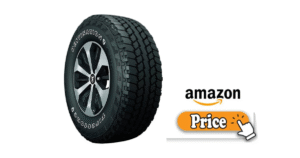 👉🏿👉🏻 Check The Latest Price and Offer at Amazon 👈🏻👈🏿
What Could Be Better
Firestone isn’t perfect, and for a balanced, honest review, here are the areas where the brand could do better.
1. A Bit Noisy on the Highway
Several Firestone models are slightly louder than expected, especially as they age. Not unbearable, but noticeable.
2. Not the Most Fuel-Efficient
Some Firestone tires have mid-range rolling resistance. They’re not gas guzzlers, but they’re also not the best for maximizing MPG if that’s your priority.
3. Winter Performance Varies
While the all-weather WeatherGrip is strong, not all Firestone all-season tires handle snow well. If you live in heavy winter conditions, you may want dedicated winter tires or look at premium alternatives.
4. Treadlife Can Be Hit or Miss
Depends on the model. Some Firestone tires wear slowly and evenly; others show wear a bit earlier than expected.
My Personal Experience
Let me get personal for a moment. The first Firestone tires I ever bought were for an older Toyota Camry. I was on a tight budget at the time, so I was pricing out options that wouldn’t make my wallet scream.
I ended up choosing the Firestone Firehawk AS, mostly because I’d heard good things and the price was right.
Installation & First Impressions
Got them installed at a local Firestone Complete Auto Care. The staff seemed knowledgeable, and the process was smooth. I drove off the lot feeling confident, and immediately noticed:
- The ride was smoother
- Steering felt slightly more responsive.
- No strange vibrations or alignment issues
Driving Conditions
Over the first year, I drove through:
- Heavy rain
- Wet highways
- Hot summer temps
- Occasional light snow
- City streets are full of potholes.
The Firehawks held up impressively well. No blowouts, no weird bulges, and minimal wear.
Long-Term Experience
Around the three-year mark, the tires finally started to show mild noise. Some treadwear was noticeable, but honestly, for the price, I wasn’t disappointed. I’ve spent more money on tires that performed worse.
Overall, my personal experience with Firestone was overwhelmingly positive.
Design
Tire design isn’t something most people geek out about, but I do. So I’ll keep this part simple, clear, and helpful. Firestone tire design focuses on:
1. Tread Patterns for All-Weather Grip
Most Firestone tires use sweeping grooves and biting edges that help water evacuate, resist hydroplaning, and improve cornering stability.
2. Balanced Rubber Compound
- Not too soft, not too hard.
- Soft tires grip great, but wear fast.
- Hard tires last long but lose traction.
Firestone hits a middle ground that works well for daily driving.
3. Sidewall Strength
Sidewalls are reinforced enough to take pothole hits (trust me, I’ve tested this unintentionally).
4. Modern Aesthetic
Even though nobody chooses tires just because they “look good,” I’ll admit the Firehawk series is pretty sleek compared to some chunky, boring tread designs out there.
Performance
This is the category that matters most to daily drivers.
Dry Performance
Dry traction is reliable. Steering feels predictable, and braking distances are solid for the price point.
Wet Performance
This is Firestone’s strongest performance category.
Their water-evacuating tread designs shine here. Less hydroplaning, more stability.
Snow Performance
For mild winter weather? Fine. For heavy snow or icy roads? You’ll want something else or go with the Firestone WeatherGrip, which actually performs well in winter.
Handling & Cornering
Not sports-car level, but stable, controlled, and confidence-boosting.
Ride Comfort
Generally smooth. The only downside is some road noise after heavy wear.
Build Quality
Here’s where the connection to Bridgestone really matters. Firestone’s build quality benefits from:
- Modern manufacturing facilities
- High-quality rubber compounds
- Strict quality control
- Bridgestone’s R&D investment
Even though Firestone is considered a mid-range brand, it never feels “cheap.” I’ve never had premature cracking, tread separation, or manufacturing defects with them.
Alternative Option
Firestone is great, but if you’re exploring options, these are your closest alternatives:
1. Goodyear
A bit pricier, but great for American-made quality.
2. Michelin
Premium. Expensive. Superb treadlife and comfort.
3. Cooper Tires
Another solid mid-range American brand, usually slightly cheaper.
4. Continental
Excellent wet traction and handling, often at a similar price to Firestone.
5. Hankook
Budget-friendly with surprisingly good performance.
If Firestone wasn’t available, I’d personally choose Cooper or Goodyear, depending on my budget.
Final Thought
So… who makes Firestone tires?
Firestone tires are made by Bridgestone, one of the biggest and most respected tire manufacturers in the world.
And after driving on Firestone tires for several years through multiple seasons, long road trips, and more potholes than my suspension wants to remember, I can honestly say:
Firestone offers great value for everyday drivers.
No, they’re not the absolute best tire money can buy. Yes, you can find quieter, longer-lasting, or higher-performance options.
But for the price? Firestone delivers where it counts:
- Safety
- Reliability
- Comfort
- Good all-weather traction
- Budget-friendly pricing
If you’re a U.S. driver looking for dependable, no-nonsense tires backed by a trusted global brand, Firestone is a smart choice.
Read More: AMP Tires Made In What Country | My Honest Experience
FAQS: Who Makes Firestone Tires | My Honest Experience
1. Who makes Firestone tires today?
Firestone tires are manufactured by Bridgestone, the Japanese tire company that purchased Firestone in 1988.
2. Are Firestone tires American-made?
Yes, many Firestone tires are still manufactured in U.S. facilities, though production also happens globally.
3. Is Firestone a good tire brand?
Yes. They are reliable, affordable, and well-balanced in performance. Not premium, but great for everyday use.
4. How long do Firestone tires last?
Typically, 40,000–70,000 miles, depending on the model and how well you maintain them.
5. Are Firestone tires noisy?
Some models get louder with age, but overall, noise levels are average for the price range.
6. Are Firestone tires good in snow?
The WeatherGrip performs very well in snow. Standard all-seasons are okay in light snow.
7. Is Firestone better than Goodyear?
Goodyear is more premium overall, but Firestone often wins in affordability.
8. Does Firestone offer good warranties?
Yes, many models include strong treadwear warranties up to 70,000 miles.
9. Are Firestone tires safe?
Absolutely. Firestone benefits from Bridgestone’s advanced safety testing and technology.
10. Should I buy Firestone tires?
If you want mid-priced, dependable tires backed by a reputable global manufacturer, Firestone is a solid, trustworthy option.