If you’ve ever heard a mechanic mention a “car accumulator,” you might have wondered whether it’s part of the engine, brakes, or air conditioning system. The truth is, the word accumulator can refer to different automotive components depending on the type of vehicle system being discussed.
However, in most modern passenger cars, the term usually refers to the AC accumulator, an important component in your car’s air conditioning system. The accumulator may not be as famous as the compressor or condenser, but it plays a huge role in keeping your vehicle cool, comfortable, and reliable during hot weather.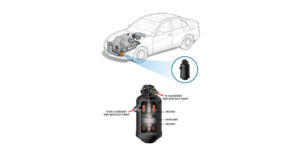 Without it, your car’s AC system could suffer from moisture contamination, poor cooling performance, and even compressor failure. In this detailed guide, we’ll break down everything you need to know about car accumulators in a simple, easy-to-understand way.
Whether you’re a beginner, DIY enthusiast, or simply curious about how your car works, this article will help you understand the purpose, symptoms, maintenance, and buying considerations of automotive accumulators.
What Is an Accumulator in a Car?
A car accumulator is a storage and filtering component used in specific automotive systems. In most vehicles, it refers to the AC accumulator, which is installed in the air conditioning system to:
- Store excess refrigerant
- Remove moisture from the AC system
- Filter debris and contaminants
- Protect the AC compressor from damage
The accumulator is commonly found in vehicles using an orifice tube AC system rather than a thermal expansion valve (TXV) system.
Think of the accumulator as a protective “holding tank” for refrigerant. It ensures only clean, dry refrigerant vapor reaches the compressor.
Quick Comparison Table: Accumulator vs Receiver-Drier
| Feature | AC Accumulator | Receiver-Drier |
| Used In | Orifice Tube Systems | TXV Systems |
| Main Function | Stores refrigerant vapor | Stores liquid refrigerant |
| Location | Between evaporator and compressor | Between condenser and expansion valve |
| Protects Compressor? | Yes | Yes |
| Contains Desiccant? | Yes | Yes |
| Filters Moisture? | Yes | Yes |
| Common in Modern Cars? | Very common | Also common |
| Shape | Larger cylindrical canister | Smaller canister |
| Failure Symptoms | Warm air, noise, leaks | Poor cooling, moisture issues |
How Does an AC Accumulator Work?
The AC accumulator works as part of the refrigeration cycle in your car’s climate control system. Here’s a simplified breakdown:
- The compressor compresses refrigerant gas.
- The condenser cools the gas into liquid form.
- The refrigerant passes through the orifice tube.
- The evaporator absorbs cabin heat.
- Excess refrigerant enters the accumulator.
- The accumulator removes moisture and debris.
- Clean refrigerant vapor returns to the compressor.
The accumulator prevents liquid refrigerant from reaching the compressor because compressors are designed to compress gas, not liquid. Liquid refrigerant can seriously damage the compressor.
Main Functions of a Car AC Accumulator
1. Refrigerant Storage
The accumulator temporarily stores unused refrigerant until it’s needed again in the system. This helps maintain stable cooling performance under varying driving conditions.
2. Moisture Removal
Inside the accumulator is a material called a desiccant. This absorbs moisture that may enter the AC system. Moisture is dangerous because it can:
- Freeze inside AC lines
- Cause corrosion
- Reduce cooling efficiency
- Damage expensive components
3. Debris Filtration
The accumulator also filters:
- Metal particles
- Dirt
- Compressor debris
- Contaminants
This protects sensitive AC components.
4. Compressor Protection
One of the accumulator’s most important jobs is preventing liquid refrigerant from entering the compressor. This protection extends compressor lifespan significantly.
Where Is the Accumulator Located?
The AC accumulator is usually found:
- Between the evaporator and compressor
- Near the firewall
- On the low-pressure side of the AC system
It often looks like a metal cylinder or aluminum canister with refrigerant lines attached.
Signs of a Bad AC Accumulator
A failing accumulator can cause noticeable air conditioning problems.
Common Symptoms Include:
1. Weak or Warm AC Air
If the accumulator can’t properly regulate refrigerant, cooling performance drops.
2. Strange Noises
Rattling or clicking noises may indicate internal damage or contamination.
3. Refrigerant Leaks
Oil or refrigerant around the accumulator is a warning sign.
4. Frost on AC Components
Moisture problems can cause freezing in the system.
5. Compressor Damage
A failed accumulator may allow liquid refrigerant into the compressor.
6. Bad Smell from Vents
Moisture buildup can encourage mold and mildew growth.
What Causes Accumulator Failure?
Several factors can lead to accumulator problems.
Common Causes
| Cause | Explanation |
| Age | Internal desiccant wears out over time |
| Moisture Contamination | Water damages internal materials |
| Compressor Failure | Debris spreads through system |
| Refrigerant Leaks | Air and moisture enter the system |
| Poor Maintenance | Old refrigerant causes contamination |
| Physical Damage | Road debris or vibration damage |
How Long Does an AC Accumulator Last?
Most accumulators last:
- 8–15 years
- Around 100,000–150,000 miles
However, lifespan depends heavily on:
- Climate
- Vehicle usage
- Maintenance quality
- AC operating conditions
Should You Replace the Accumulator When Replacing the Compressor?
Yes absolutely. Most mechanics strongly recommend replacing the accumulator whenever:
- The compressor fails
- The AC system is opened
- Major AC repairs are performed
Why? Because old accumulators often contain:
- Moisture
- Metal debris
- Saturated desiccant
Reusing it can ruin a brand-new compressor.
Comparison Table: Good vs Bad Accumulator
| Condition | Good Accumulator | Bad Accumulator |
| Cooling Performance | Cold air | Warm or weak air |
| Refrigerant Flow | Smooth | Restricted |
| Moisture Control | Effective | Poor |
| Compressor Safety | Protected | At risk |
| Noise Level | Quiet | Rattling or buzzing |
| Exterior Condition | Dry and clean | Oily or corroded |
| System Efficiency | High | Reduced |
Can You Drive with a Bad Accumulator?
Technically yes, but it’s risky. Driving with a failing accumulator can:
- Damage the compressor
- Increase repair costs
- Reduce fuel efficiency
- Cause total AC system failure
Ignoring the problem may eventually lead to a very expensive repair bill.
Average Replacement Cost
Accumulator replacement costs vary depending on vehicle type and labor rates.
Estimated Costs
| Service | Average Cost |
| Accumulator Part | $40–$150 |
| Labor | $80–$250 |
| Full AC Service | $150–$500 |
| Compressor + Accumulator | $700–$1,500 |
Luxury vehicles typically cost more.
DIY Replacement: Is It Difficult?
Replacing an accumulator is moderately difficult because the AC system is pressurized.
You’ll Usually Need:
- Refrigerant recovery equipment
- Vacuum pump
- Manifold gauges
- Proper refrigerant
- Safety gear
Improper handling can:
- Damage components
- Release harmful refrigerant
- Violate environmental regulations
For beginners, professional installation is often safer.
Buyer’s Guide: Choosing the Best AC Accumulator
If you’re shopping for a replacement accumulator, here are the most important factors to consider.
1. Vehicle Compatibility
Always verify:
- Make
- Model
- Year
- Engine size
An incorrect accumulator may not fit properly.
2. OEM vs Aftermarket
OEM (Original Equipment Manufacturer)
Pros:
- Exact fit
- Reliable quality
- Factory performance
Cons:
- More expensive
Aftermarket
Pros:
- Lower cost
- More options
Cons:
- Quality varies widely
Trusted aftermarket brands are often excellent choices.
3. Build Quality
Look for:
- Corrosion-resistant aluminum
- High-quality seals
- Durable fittings
Cheap materials can leak prematurely.
4. Included Components
Some kits include:
- O-rings
- Desiccant bag
- Pressure switches
These extras save time and money.
5. Warranty
A good warranty shows manufacturer confidence. Look for:
- 1-year minimum coverage
- Reputable customer support
Best Situations to Replace an Accumulator
You should consider replacement if:
- The compressor fails
- AC cooling becomes weak
- Refrigerant contamination occurs
- Moisture enters the system
- Major AC components are replaced
Preventive replacement can save money later.
Common Misconceptions About Car Accumulators
“It’s Just a Storage Tank”
Not true. It also filters contaminants and removes moisture.
“It Never Needs Replacement”
False. Desiccant materials wear out over time.
“All Cars Use Accumulators”
Some vehicles use receiver-driers instead.
“Small Leaks Are Harmless”
Even tiny leaks allow moisture into the system.
My Personal Thoughts on AC Accumulators
Many drivers ignore the accumulator because it’s hidden and doesn’t receive much attention. But after dealing with several AC repair projects over the years, I’ve learned that the accumulator is one of the smartest preventative replacements you can make.
I’ve seen people spend thousands replacing compressors repeatedly because they skipped replacing a contaminated accumulator. Compared to compressor costs, accumulators are relatively inexpensive insurance.
If your AC system is already being serviced, replacing the accumulator is usually worth it.
How to Maintain Your Car’s AC System
A healthy accumulator depends on a healthy AC system.
Maintenance Tips
Run the AC Regularly
Even in winter, run it occasionally to keep seals lubricated.
Fix Leaks Quickly
Moisture enters through leaks.
Replace Cabin Air Filters
This improves airflow and AC efficiency.
Use Proper Refrigerant
Incorrect refrigerants damage systems.
Get Periodic AC Inspections
Professional checks catch problems early.
Understanding the Difference Between Accumulator and Compressor
Many people confuse these components.
Compressor
- Pressurizes refrigerant
- Powers the cooling cycle
- Mechanical pump
Accumulator
- Stores refrigerant
- Filters moisture
- Protects compressor
Both are essential, but they serve completely different purposes.
Why Moisture Is So Dangerous in AC Systems
Moisture can create:
- Acid formation
- Corrosion
- Ice blockages
- Compressor wear
That’s why the accumulator’s desiccant is critical. Without it, the system would fail much faster.
Environmental Importance
Modern AC systems are designed to reduce refrigerant emissions because refrigerants can harm the environment. A properly functioning accumulator helps:
- Prevent leaks
- Improve efficiency
- Reduce refrigerant waste
Routine maintenance benefits both your vehicle and the environment.
Read More: What Do Car Bushings Look Like
FAQs: What Is Accumulator In Car
What does an accumulator do in a car?
An accumulator stores refrigerant, removes moisture, filters contaminants, and protects the compressor in the AC system.
Is an accumulator the same as a receiver-drier?
No. They perform similar functions but are used in different AC system designs.
Can a bad accumulator damage the compressor?
Yes. A failed accumulator may allow liquid refrigerant or debris into the compressor.
How much does it cost to replace an accumulator?
Most replacements cost between $150 and $500 including labor.
Can I replace an accumulator myself?
Possible, but specialized AC equipment is usually required.
What are the symptoms of a bad accumulator?
Warm air, refrigerant leaks, noise, moisture problems, and poor cooling performance.
Does every car have an accumulator?
No. Some vehicles use receiver-driers instead.
How often should an accumulator be replaced?
Usually during major AC repairs or compressor replacement.
Can an accumulator become clogged?
Yes. Internal debris and moisture contamination can restrict refrigerant flow.
Will replacing the accumulator improve AC performance?
If the old accumulator is failing, replacement can significantly improve cooling efficiency.
Final Verdict
The AC accumulator may not be the most famous automotive component, but it’s one of the most important parts of your car’s air conditioning system. It quietly protects the compressor, removes harmful moisture, filters contaminants, and keeps refrigerant flowing properly.
Ignoring accumulator issues can lead to:
- Expensive compressor damage
- Poor cooling performance
- Refrigerant contamination
- Major AC system failure
If your car’s AC system is struggling, the accumulator deserves serious attention. Replacing it during major AC service is often one of the smartest maintenance decisions you can make.
For drivers who value comfort, efficiency, and long-term reliability, understanding the role of the accumulator is absolutely worthwhile.