If you’ve ever looked closely at a car door and noticed the narrow strip running along the side, you’ve seen car door trim molding. It may look like a simple decorative piece, but it actually serves several important purposes.
From protecting your car’s paint to enhancing its appearance, door trim molding plays a bigger role than many drivers realize. I didn’t think much about door trim molding until I experienced a parking lot mishap.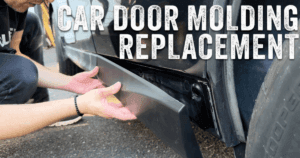 Another car door bumped into mine, and thankfully, the molding absorbed most of the impact. That small strip of plastic saved my paint job and probably a few hundred dollars in repair costs. Since then, I’ve paid much closer attention to this often-overlooked automotive feature.
In this guide, we’ll explore everything you need to know about car door trim molding. You’ll learn what it does, the different types available, how to choose the right one, installation tips, maintenance advice, and much more.
Whether you’re upgrading your vehicle’s appearance or replacing damaged trim, this comprehensive guide will help you make the right choice.
What Is Car Door Trim Molding?
Car door trim molding is a protective strip attached to the exterior or interior edge of a car door. It is usually made from plastic, rubber, chrome, or stainless steel and serves both protective and aesthetic purposes.
Most commonly, trim molding is installed:
- Along the middle of the door panel
- Around window frames
- On the lower door edge
- Around interior door panels
Its main job is to protect the door from scratches, dents, and impact,s especially in tight parking spaces.
Why Car Door Trim Molding Is Important
Many drivers underestimate how useful this small accessory can be. Here are the key benefits.
1. Protects Against Door Dings
Parking lots are one of the most common places for minor car damage. Door trim molding acts as a buffer, absorbing impacts from other doors.
2. Enhances Vehicle Appearance
Trim moldings add a stylish accent to a car’s body. Chrome or color-matched moldings can make even an older vehicle look more refined.
3. Prevents Paint Damage
Scratches on paint can lead to rust over time. Moldings help preserve the integrity of the paint layer.
4. Improves Resale Value
A well-maintained exterior can make a big difference when selling a car. Door moldings help keep body panels in better condition.
Types of Car Door Trim Molding
Not all moldings are the same. They vary in material, design, and purpose.
1. Body Side Moldings
These are the most common. They run horizontally along the middle of the door to prevent door dings.
2. Edge Guard Moldings
Installed on the edge of the door, these prevent damage when opening doors near walls or other cars.
3. Chrome Accent Moldings
These are mainly decorative but also provide light protection.
4. Rubber Protective Moldings
Rubber moldings focus on durability and impact resistance.
Comparison Table: Popular Types of Car Door Trim Molding
| Type | Material | Protection Level | Appearance | Best For |
| Body Side Molding | Plastic or ABS | High | Factory-style | Everyday protection |
| Edge Guard Molding | Rubber or PVC | Medium | Minimal | Preventing door edge chips |
| Chrome Molding | Stainless or Chrome | Low | Stylish | Appearance upgrades |
| Rubber Protective Strip | Rubber | Very High | Basic | Maximum impact protection |
| Universal Trim Molding | PVC/Plastic | Medium | Customizable | DIY installations |
My Personal Experience With Door Trim Moldings
I used to think moldings were purely cosmetic until I replaced the damaged trim on my sedan. The original factory molding had cracked after years of sun exposure.
I installed an aftermarket body side molding kit, and the difference was noticeable immediately:
- The car looked newer
- It felt better protected in crowded parking lots
- Installation took less than an hour
Since then, I’ve recommended moldings to friends who want inexpensive protection for their cars.
Materials Used in Car Door Trim Molding
Different materials offer different benefits.
ABS Plastic
- Lightweight
- Affordable
- Common in factory moldings
Rubber
- Flexible
- Excellent shock absorption
- Ideal for door edge guards
Stainless Steel
- Durable
- Rust-resistant
- Premium appearance
Chrome-Plated Plastic
- Stylish
- Lighter than metal
- Budget-friendly decorative option
How Car Door Trim Molding Is Installed
Installing trim molding is surprisingly simple.
Step 1: Clean the Surface
Use rubbing alcohol to remove dirt, wax, and grease.
Step 2: Measure Placement
Mark the correct alignment using painter’s tape.
Step 3: Apply Adhesive
Most moldings use automotive-grade adhesive tape.
Step 4: Press Firmly
Hold the molding in place for 30–60 seconds.
Step 5: Allow Adhesive to Set
Avoid washing the car for 24 hours.
Signs Your Door Trim Molding Needs Replacement
You should replace trim molding if you notice:
- Cracks or splits
- Loose sections
- Faded or peeling surfaces
- Missing pieces
- Adhesive failure
Replacing worn molding is inexpensive and improves your car’s appearance instantly.
Car Door Trim Molding Buyer’s Guide
Choosing the right molding requires considering several factors.
1. Compatibility
Always confirm the molding fits your car’s make and model. Universal moldings may require trimming.
2. Material Quality
Higher-quality materials last longer and resist weather damage. Best choices include:
- ABS plastic
- Rubber
- Stainless steel
3. Adhesive Strength
Look for 3M automotive adhesive tape for reliable attachment.
4. Color Matching
Choose moldings that match:
- Car paint color
- Factory trim
Many brands offer paintable moldings.
5. Ease of Installation
DIY kits with pre-applied adhesive make installation easier.
6. Durability
Consider:
- UV resistance
- Weather resistance
- Impact strength
OEM vs Aftermarket Door Trim Molding
| Feature | OEM | Aftermarket |
| Fit | Perfect | Usually good |
| Price | Expensive | Affordable |
| Style Options | Limited | Wide variety |
| Installation | Professional recommended | Often DIY |
| Availability | Dealer only | Online and auto shops |
For most drivers, aftermarket moldings provide the best value.
Maintenance Tips for Door Trim Moldings
To keep moldings looking good:
Wash Regularly
Clean them when washing your car.
Use Plastic Conditioner
Prevents fading and cracking.
Avoid Harsh Chemicals
Strong solvents can damage rubber or plastic.
Check Adhesive Periodically
Reattach loose sections before they fall off.
Common Problems With Door Trim Moldings
Adhesive Failure
Heat and moisture can weaken the adhesive over time.
Fading
Sun exposure may cause discoloration.
Cracking
Plastic moldings may become brittle after years of UV exposure.
Warping
Poor-quality moldings can warp in extreme temperatures.
Cost of Car Door Trim Molding
The price depends on quality and material.
| Type | Price Range |
| Basic Door Edge Guard | $10 – $25 |
| Universal Body Side Molding | $20 – $50 |
| Custom Moldings | $50 – $120 |
| OEM Replacement | $100 – $300 |
Installation costs may add $50–$150 if done professionally.
Can You Install Door Trim Molding Yourself?
Yes. Most drivers can install it with basic tools. You only need:
- Measuring tape
- Alcohol wipes
- Painter’s tape
- Scissors or a cutter
The process typically takes 30–60 minutes.
Pros and Cons of Car Door Trim Moldings
Pros
- Protects paint from scratches
- Reduces door dents
- Affordable upgrade
- Improves vehicle appearance
- Easy installation
Cons
- Cheap versions may fade
- Adhesive can weaken over time
- Not all styles match every vehicle
Are Door Trim Moldings Worth It?
In my experience, absolutely.
For a relatively small cost, they provide long-term protection and aesthetic improvement. If you often park in crowded areas or want to keep your car looking new, door trim moldings are a smart investment.
Read More: Car AC Compressor Failure Symptoms
FAQs: Car Door Trim Molding
What is car door trim molding used for?
Car door trim molding protects the vehicle’s body from scratches, dents, and minor impacts while also improving the car’s appearance.
Can door trim molding prevent dents?
Yes. While it won’t stop major damage, it can absorb small impacts from other car doors.
How long does trim molding last?
High-quality trim molding can last 5–10 years, depending on the material and weather exposure.
Can you remove door trim molding?
Yes. Heat from a hair dryer or heat gun helps loosen the adhesive so the molding can be removed safely.
Does trim molding damage car paint?
No. When installed and removed properly, it should not damage the paint.
Are universal trim moldings good?
Many universal moldings work well and are much cheaper than OEM replacements.
Final Thoughts
Car door trim molding may seem like a minor detail, but it offers practical protection and visual enhancement. Whether you want to protect your vehicle from parking lot damage or simply add a stylish accent, trim molding is a simple and effective upgrade.
With many materials, styles, and price points available, there’s an option for every vehicle and budget. By choosing a high-quality product and installing it properly, you can extend the life of your car’s exterior and keep it looking great for years.