A few years ago, I walked out to my driveway, started my car, and noticed something odd: a small dark stain on the concrete where my car had been parked overnight. At first, I thought it was just water from the air conditioner.
But when I looked closer, the spot looked darker and slightly greasy. That was my first encounter with a car oil leak, and it made me realize how important it is to know the warning signs before serious engine damage happens.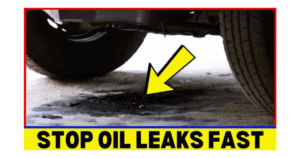 Oil is the lifeblood of your engine. It lubricates internal parts, prevents overheating, and keeps everything running smoothly. If your car begins leaking oil,l even a small amount,nt it can quickly turn into a costly repair if ignored.
The good news? Most oil leaks show clear warning signs, and once you know what to look for, they’re fairly easy to detect. In this complete guide, we’ll explore:
- The most common signs your car is leaking oil
- How to confirm an oil leak at home
- The typical causes of oil leaks
- How serious oil leaks can become
- Repair costs and prevention tips
By the end, you’ll be able to confidently determine whether your car is leaking oil and what to do about it.
Quick Comparison Table: Signs of an Oil Leak
| Symptom | What It Means | Severity | What You Should Do |
| Oil spots under the car | Oil dripping from the engine | Medium | Inspect the engine area |
| Burning oil smell | Oil is leaking onto the hot parts | High | Check immediately |
| Blue smoke from exhaust | Oil burning in the engine | High | Visit mechanic |
| Low oil level | Oil escaping system | Medium | Refill and inspect |
| Dirty engine covered in oil | Slow long-term leak | Low Medium | Clean and monitor |
Why Engine Oil Leaks Are a Serious Problem
Before diving into the warning signs, it’s important to understand why oil leaks matter. Engine oil performs several crucial tasks:
- Lubricates moving parts
• Prevents metal friction
• Keeps the engine cool
• Removes dirt and debris
• Prevents corrosion
If oil begins leaking, your engine may suffer from:
- Overheating
- Increased wear
- Engine knocking
- Catastrophic engine failure
Even a small leak can turn into a big problem if it’s ignored long enough.
10 Signs Your Car Is Leaking Oil
Here are the most common warning signs every driver should recognize.
1. Oil Spots Under Your Car
This is usually the first and most obvious sign. When your car sits parked overnight, oil may drip onto the ground. Oil spots usually appear:
- Dark brown or black
• Slightly thick or greasy
• Located under the engine area
Tip
Place cardboard under the engine overnight.
If you see oil stains in the morning, you likely leak.
2. Burning Oil Smell
If oil leaks onto hot engine components like the exhaust manifold, it can burn and produce a strong smell. Drivers often describe the smell as:
- Burning rubber
- Burning oil
- Acrid smoke odor
If you smell burning oil while driving, stop and inspect your engine soon.
3. Blue Smoke from the Exhaust
Blue-tinted smoke from your exhaust pipe is a major warning sign. It usually means oil is:
- Leaking into combustion chambers
• Burning with the fuel mixture
This could indicate problems like:
- Worn piston rings
- Bad valve seals
- Engine damage
This issue should be addressed immediately.
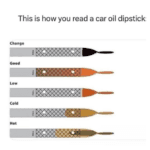
4. Low Oil Level on the Dipstick
One of the easiest ways to detect a leak is by checking your oil level regularly. Steps to check:
- Park on a flat surface
- Turn off the engine
- Pull out the dipstick
- Wipe it clean
- Reinsert and check the level
If your oil level keeps dropping quickly, you likely leak.
5. Oil Warning Light
Your dashboard may display an oil pressure warning light. This happens when:
- The oil level is too low
- Oil pressure drops
- The lubrication system fails
If the oil light turns on:
⚠️ Stop driving immediately.
Driving without oil pressure can destroy an engine within minutes.
6. Dirty or Greasy Engine
Sometimes leaks aren’t obvious from below. Open the hood and check for:
- Wet engine surfaces
- Greasy buildup
- Oil residue around seals
Common leak areas include:
- Valve cover gasket
• Oil filter
• Oil pan
7. Smoke from the Engine Bay
If oil leaks onto hot exhaust components, smoke may rise from under the hood. You might see:
- White or blue smoke
- Smoke after stopping the car
- Smoke during idling
This is a strong indication of oil dripping onto hot metal parts.
8. Oil on Engine Components
Look for oil around:
- Timing cover
- Oil filter housing
- Valve cover
- Oil pan
Fresh oil appears amber or brown, while old oil becomes dark black.
9. Engine Overheating
Oil also helps cool engine parts. If oil levels drop too low, the engine may overheat. Symptoms include:
- Rising temperature gauge
- Engine knocking
- Reduced performance
10. Increased Oil Consumption
If you constantly need to add oil between oil changes, it could mean:
- Oil is leaking
• Oil is burning inside the engine
Both situations require investigation.
Most Common Causes of Oil Leaks
Oil leaks happen for many reasons. Here are the most common culprits.
1. Worn Valve Cover Gasket
The valve cover gasket seals the top of the engine. Over time, it can:
- Crack
- Harden
- Shrink
This leads to slow oil leaks.
2. Damaged Oil Pan
The oil pan sits underneath the engine. Road debris or potholes can damage it. This can cause:
- Cracks
- Loose bolts
- Oil seepage
3. Loose or Faulty Oil Filter
If the oil filter isn’t tightened properly after an oil change, it may leak. Always check:
- Proper installation
- Good gasket seal
4. Worn Engine Seals
Seals and gaskets deteriorate over time due to:
- Heat
- Age
- Pressure
This includes:
- Crankshaft seal
- Camshaft seal
- Rear main seal
5. Oil Drain Plug Problems
The oil drain plug can leak if:
- Threads are damaged
- The washer is missing
- Plug is loose
How to Confirm an Oil Leak at Home
You don’t always need a mechanic to detect a leak. Here’s a simple method.
Step 1: Clean the Engine
Use a degreaser to remove old oil buildup.
Step 2: Drive for 15–20 Minutes
This allows fresh oil to appear.
Step 3: Inspect the Engine
Look for fresh oil around:
- Gaskets
- Filters
- Oil pan
This helps pinpoint the leak source.
Typical Oil Leak Repair Costs
Repair costs vary depending on the cause.
| Repair Type | Average Cost |
| Oil filter replacement | $20 – $80 |
| Valve cover gasket | $150 – $400 |
| Oil pan gasket | $200 – $600 |
| Rear main seal | $700 – $1,500 |
| Engine rebuild (worst case) | $2,000 – $5,000 |
Early detection can save thousands of dollars.
Buyer’s Guide: Products That Help Detect Oil Leaks
If you suspect a leak, several tools can help diagnose the problem.
1. UV Leak Detection Kits
These kits include:
- UV dye
- UV flashlight
Add dye to engine oil, run the engine, and inspect for glowing leak points.
2. Engine Degreaser
Cleaning the engine makes it easier to identify fresh oil leaks.
3. Oil Stop-Leak Additives
These additives can temporarily seal small leaks in gaskets and seals.
However, they are not permanent fixes.
4. Oil Absorbent Mats
These mats protect your garage floor and help identify leak locations.
How to Prevent Oil Leaks
Preventing leaks is easier than repairing them. Here are some simple habits.
Regular Oil Changes
Old oil becomes acidic and can damage seals. Most cars need oil changes every:
5,000–7,500 miles
Use High-Quality Oil
Cheap oil can break down faster and harm seals. Always follow manufacturer recommendations.
Inspect Your Engine Regularly
Look under the hood once a month. Check for:
- Wet areas
- Oil buildup
- Cracked hoses
Replace Old Gaskets
Gaskets wear out naturally over time. Preventative replacement can stop leaks before they start.
My Personal Experience with an Oil Leak
When I first discovered oil under my car, I assumed the worst. But after a quick inspection, I discovered the problem was just a loose oil filter from a recent oil change.
A quick tightening solved the issue. That experience taught me an important lesson: Not every oil leak is a disaster, but ignoring one can be. Early detection makes repairs easier and cheaper.
Read More: What Does A Gearbox Do In A Car
FAQs: How Do You Know If Your Car Is Leaking Oil
1. Is it safe to drive with an oil leak?
Small leaks may allow short driving distances, but it’s risky. If oil drops too low, engine damage can occur.
2. What color is leaking engine oil?
Fresh oil is amber or light brown. Older oil becomes dark brown or black.
3. How fast can an oil leak damage an engine?
If oil pressure drops significantly, engine damage can occur within minutes.
4. Why does my car leak oil after an oil change?
Possible reasons include:
- Loose oil filter
- Loose drain plug
- Damaged gasket
5. Can oil leaks fix themselves?
No. Oil leaks almost always worsen over time.
6. What does burning oil smell like?
Burning oil produces a sharp, smoky odor similar to burnt rubber.
7. Are oil leak sealants effective?
They can help with minor leaks, but they are temporary solutions.
8. Can a bad gasket cause an oil leak?
Yes. Worn gaskets are one of the most common causes of oil leaks.
Final Thoughts
Oil leaks are one of the most common car problems, but they’re also one of the easiest to detect if you know the warning signs. If you notice:
- Oil spots under your car
- Burning smells
- Low oil levels
- Smoke from the engine
Don’t ignore them. A quick inspection today can prevent major engine damage tomorrow.
Regular maintenance, routine inspections, and paying attention to your car’s behavior will keep your engine healthy and your repair bills low.