The first time I drove a car with a DSG gearbox, I expected it to feel like a normal automatic. It didn’t. It shifted faster. It felt more direct. And in traffic, it behaved slightly differently from a traditional torque-converter automatic.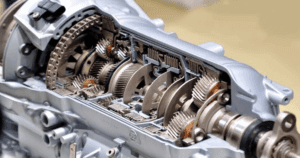 If you’re asking, “How do you drive a DSG gearbox car properly?”, you’re not alone. DSG (Direct-Shift Gearbox) transmissions, most commonly found in vehicles from Volkswagen, Audi, Skoda Auto, and SE, AT offer a unique driving experience.
And if you treat it like a regular automatic, you might shorten its lifespan. So in this complete, easy-to-read guide, I’ll walk you through:
- What a DSG gearbox is
- How it works
- How to drive it correctly
- Common mistakes to avoid
- City vs highway driving tips
- Maintenance advice
- A comparison table
- A buyer’s guide
- And detailed FAQs
Let’s make DSG driving simple.
What Is a DSG Gearbox?
DSG stands for Direct-Shift Gearbox, a type of dual-clutch automatic transmission. It combines the convenience
- presence of an automatic
- The efficiency of a manual
- Lightning-fast gear changes
Unlike traditional automatics that use a torque converter, DSG gearboxes use two clutches, one for odd gears (1,3,5,7) and one for even gears (2,4,6).
While one gear is engaged, the next gear is pre-selected. That’s why DSG shifts feel almost instant.
How a DSG Transmission Works (Simple Explanation)
Imagine two mini manual gearboxes working together. Clutch A handles:
- 1st, 3rd, 5th, 7th
Clutch B handles:
- 2nd, 4th, 6th
When you’re accelerating in 1st gear, 2nd gear is already prepared. The system switches clutches. That’s how you get:
- Faster shifts
- Better fuel efficiency
- Sportier feel
Cars like the Volkswagen Golf GTI and Audi A3 are famous for DSG performance.
How To Drive a DSG Gearbox Car (Step-by-Step)
Now let’s get practical.
1. Starting the Car
Just like an automatic:
- Press brake
- Select D (Drive)
- Release the brake slowly
But here’s the key difference:
👉 Don’t creep too much using throttle.
Unlike torque-converter automatics, DSG gearboxes use clutches, and creeping excessively can wear them out.
2. Driving in Traffic
This is where many drivers make mistakes.
What NOT to Do:
- Constant inching forward
- Riding the throttle
- Holding the car on slight slopes using the gas
What TO Do:
- Let the car roll naturally
- Use brake control
- Leave more space ahead
DSG clutches don’t love stop-and-go traffic. Smooth inputs are your friend.
3. Using Manual Mode (Tiptronic / Paddle Shifters)
Most DSG cars offer manual mode. You can:
- Push the gear lever forward/back
- Use steering wheel paddles
This gives you control similar to a manual car without a clutch pedal.
It’s excellent for:
- Overtaking
- Mountain driving
- Sporty acceleration
4. Hill Starts
Always use:
- Brake hold feature (if equipped)
- Handbrake
Avoid balancing the car by using the accelerator, which burns the clutch.
5. Parking a DSG Car Properly
Correct procedure:
- Stop fully
- Shift to Neutral
- Apply handbrake
- Release the brake pedal
- Shift to Park
This prevents transmission stress.
DSG vs Traditional Automatic: Comparison Table
| Feature | DSG (Dual-Clutch) | Torque Converter Automatic |
| Shift Speed | Extremely fast | Smooth but slower |
| Fuel Efficiency | Better | Slightly lower |
| Driving Feel | Sporty | Comfortable |
| Maintenance Cost | Moderate to High | Moderate |
| Traffic Behavior | Can feel jerky | Very smooth |
| Best For | Performance drivers | Comfort seekers |
| Common In | VW, Audi | Toyota, Honda |
Driving Modes Explained
Most DSG cars offer:
D (Drive)
Normal driving.
S (Sport)
Higher RPM shifts, aggressive acceleration.
M (Manual)
Full driver control.
In a car like the Skoda Octavia, switching to Sport mode noticeably sharpens throttle response.
Common DSG Driving Mistakes
- Let me save you from expensive repairs.
- Riding the throttle in traffic.
- Holding on hills with the accelerator.
- Suddenly, progressive launches constantly.
- Skipping DSG service intervals.
- Ignoring gearbox warning lights.
- Dual-clutch systems are strong but sensitive.
DSG Maintenance Tips
Proper maintenance is critical.
DSG Service Interval:
Usually every 40,000–60,000 km (varies by model). Includes:
- Fluid change
- Filter replacement
- Diagnostic check
Skipping service can lead to expensive mechatronic failure.
Signs of DSG Problems
- Jerky gear changes
- Delayed engagement
- Grinding noises
- Gearbox warning light
- Transmission slipping
If you drive an Audi A4 and feel shuddering during takeoff, don’t ignore it.
Buyer’s Guide: Should You Buy a DSG Car?
Here’s who DSG is perfect for:
Ideal For:
Drivers who enjoy performance
Highway commuters
Enthusiasts
People who want a manual feel without a clutch pedal
Not Ideal For:
❌ Heavy city traffic daily
❌ Drivers who prefer an ultra-smooth feel
❌ Low maintenance budget owners
DSG Dry Clutch vs Wet Clutch
Another important factor.
| Feature | Dry Clutch DSG | Wet Clutch DSG |
| Torque Handling | Lower | Higher |
| Maintenance | Lower cost | Higher cost |
| Cooling | Air | Oil cooled |
| Reliability | Good | Very good |
| Common In | Smaller engines | Performance models |
Wet clutch systems handle more power and last longer under stress.
My Personal Driving Experience With DSG
After driving both manual and traditional automatic cars, DSG feels like the best of both worlds.
It:
- Shifts instantly
- Feels engaging
- Saves fuel
- Makes overtaking effortless
But it requires smooth driving habits.
If you’re gentle and follow service schedules, DSG can be extremely rewarding.
Can You Drive DSG Like a Normal Automatic?
Yes, but with awareness. Remember:
- Avoid creeping
- Use the brake instead of the throttle for control
- Service on time
Treat it properly, and it will treat you well.
Long Technical Expansion: Understanding DSG Engineering
DSG transmissions use:
- Dual clutch packs
- Mechatronic control unit
- Hydraulic actuators
- Electronic control module
The mechatronic unit is the brain of the system. It controls clutch engagement and gear selection.
High-performance variants found in models like the Volkswagen Passat use reinforced clutch packs for torque management.
Modern DSG systems adapt to driving style, learning throttle patterns and optimising shift timing.
Read More: What Is an Oxygen Sensor in a Car
FAQs: How To Drive A DSG Gearbox Car
Is DSG better than automatic?
It’s faster and more efficient, but not always smoother.
Is DSG good for traffic?
It’s okay, but heavy stop-and-go isn’t ideal.
Does DSG last long?
Yes, with proper maintenance.
Is DSG expensive to repair?
Repairs can be costly if neglected.
Can DSG overheat?
Yes, especially in heavy traffic or aggressive driving.
Should I replace DSG oil?
Absolutely on schedule.
Is DSG good for beginners?
Yes, but learning smooth throttle control helps.
Final Verdict: Should You Learn DSG Driving Properly?
Absolutely. DSG is not just an automatic; it’s a precision transmission. If you understand how it works and drive accordingly, it can offer:
- Performance
- Efficiency
- Engagement
- Long-term reliability
Master it once, and you’ll appreciate why brands like Volkswagen built their reputation around it.