Let’s be honest, most drivers don’t think much about their wing mirrors… until one gets cracked, smashed, or mysteriously disappears overnight.
That’s when you realize just how essential a simple piece of glass really is. I’ve personally dealt with replacing wing mirror glass more than once, once after a tight parking mishap and another time due to a hit-and-run scrape.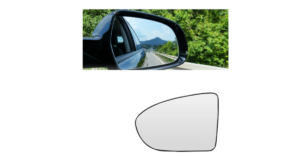 What did I learn? Replacing just the mirror glass is often cheaper, quicker, and surprisingly easy compared to replacing the entire mirror unit.
This guide breaks everything down in a simple, readable, and practical way. Whether you’re trying to save money, do a DIY fix, or just understand your options, you’ll find what you need here.
What Is Wing Mirror Glass?
Wing mirror glass is the reflective surface attached to your car’s side mirror housing. It helps you:
- Monitor traffic behind and beside you
- Change lanes safely
- Reverse and park with confidence
Modern versions often include:
- Heating elements (to prevent fogging)
- Blind spot indicators
- Auto-dimming technology
When Should You Replace Wing Mirror Glass?
Here are common signs it’s time:
- Cracks or shattered glass
- Blurry or distorted reflection
- Mirror glass has fallen out
- The heating feature is not working
- Scratches affecting visibility
From experience, even a small crack can distort your view enough to become dangerous. Don’t ignore it.
Types of Replacement Wing Mirror Glass
1. Flat Glass
- Standard mirror with true reflection
- Accurate distance perception
2. Convex Glass
- Slight curve for wider viewing angle
- Objects appear smaller
3. Heated Glass
- Includes defrost function
- Ideal for colder or humid climates
4. Tinted / Anti-Glare Glass
- Reduces brightness from headlights
- Improves night driving comfort
Comparison Table: Types of Wing Mirror Glass
| Feature | Flat Glass | Convex Glass | Heated Glass | Tinted Glass |
| Visibility Accuracy | High | Medium | High | High |
| Viewing Angle | Narrow | Wide | Depends on type | Depends on type |
| Night Driving | Average | Average | Good | Excellent |
| Weather Resistance | Standard | Standard | Excellent | Good |
| Price Range | Low | Low–Medium | Medium–High | Medium |
| Best For | Daily driving | City traffic | Cold climates | Night driving |
OEM vs Aftermarket Mirror Glass
| Feature | OEM (Original) | Aftermarket |
| Fit & Quality | Perfect fit | Varies by brand |
| Price | Expensive | Budget-friendly |
| Availability | Limited | Widely available |
| Features | Exact match | May include upgrades |
| Reliability | High | Depends on the manufacturer |
My take: If you’re on a budget, a good aftermarket mirror works just fine, just don’t go for the cheapest option blindly.
Real-World Experience: What I Learned
When I replaced my first wing mirror glass, I assumed I’d need a full mirror replacement. Turns out, I saved over 70% just by replacing the glass.
Second time around, I tried a heated aftermarket version, which was a game-changer during foggy mornings. Installation took under 15 minutes.
Biggest lesson? 👉 Always double-check compatibility with your car model before buying.
How to Replace Wing Mirror Glass (DIY Guide)
Tools Needed:
- Gloves
- Plastic trim tool
- Adhesive (if required)
Steps:
- Remove broken glass carefully
- Disconnect heating wires (if present)
- Clean the backing plate
- Attach new mirror glass
- Reconnect wires
- Snap or stick into place
💡 Tip: Watch your fingers, broken glass edges are sharp.
Cost of Replacement Wing Mirror Glass
Prices vary depending on car type and features:
- Basic mirror glass: $10 – $30
- Heated mirror glass: $25 – $80
- OEM mirror glass: $50 – $150+
- Professional installation: $30 – $100
My experience: DIY installation saved me labor costs completely.
Buyer’s Guide: How to Choose the Right Mirror Glass
1. Compatibility
Always match:
- Car make & model
- Year of manufacture
- Mirror type
2. Features You Need
- Heated?
- Anti-glare?
- Blind spot line?
3. Build Quality
Look for:
- Clear reflection
- Durable backing
- Strong adhesive or clips
4. Budget vs Value
Cheapest isn’t always best. Mid-range options often give the best balance.
5. Installation Type
- Clip-on (easiest)
- Stick-on (temporary fix)
Pros and Cons of Replacing Mirror Glass Only
Pros:
- Much cheaper than a full replacement
- Quick installation
- Widely available
Cons:
- May not fix damaged housing
- Fit issues with low-quality products
- Limited features in cheaper models
Common Mistakes to Avoid
- Buying the wrong size or shape
- Ignoring heated compatibility
- Using a poor-quality adhesive
- Skipping cleaning before installation
Maintenance Tips
- Clean regularly with a microfiber cloth
- Avoid harsh chemicals
- Check for looseness after installation
- Use the defrost feature properly (if available)
Read More: Signs Of A Bad Car AC Condenser
FAQs: Replacement Wing Mirror Glass
1. Can I drive with a broken wing mirror glass?
Technically, yes, but it’s unsafe and often illegal depending on the location.
2. Is it better to replace the whole mirror?
Only if the housing or motor is damaged. Otherwise, glass replacement is enough.
3. How long does replacement take?
DIY: 10–20 minutes
Professional: 15–30 minutes
4. Are stick-on mirrors a good solution?
They work temporarily but aren’t ideal long-term.
5. Do I need special tools?
No, just basic tools and careful handling.
6. Will heated mirrors work after replacement?
Yes, if you reconnect the wires properly and buy a compatible model.
Final Thoughts
Replacing wing mirror glass is one of those car fixes that seems intimidating at first,t but once you understand it, it’s actually one of the easiest and most cost-effective repairs you can do.
From personal experience, going the DIY route not only saved money but also gave me confidence in handling small car issues myself. Whether you choose OEM or aftermarket, heated or standard, the key is choosing the right fit and quality.
If your mirror glass is damaged, don’t wait; it’s a small fix that makes a big difference in safety.