If you’ve ever turned on your car’s AC and heard a high-pitched squeal or an annoying chirp, you know how quickly it can ruin an otherwise peaceful drive. I’ve been there, stuck in traffic, heat blazing, AC running… and that noise.
At first, I ignored it. Big mistake. What started as a faint squeak eventually became a loud, embarrassing screech every time I started the car. Turns out, the culprit was the AC belt (also called the serpentine belt in many cars).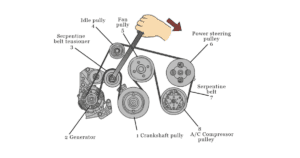 In this guide, I’ll walk you through exactly what causes AC belt noise, how I diagnosed it, what worked (and what didn’t), and how you can fix or prevent it.
This isn’t just theory, it’s a real, hands-on breakdown designed to save you time, money, and frustration.
What Is an AC Belt (and Why It Makes Noise)
Your car’s AC system relies on a belt to drive the compressor. In most modern vehicles, this is part of a serpentine belt system that also powers:
- Alternator
- Power steering pump
- Water pump
When that belt slips, wears out, or loses tension, it can produce noise, especially when the AC compressor kicks in and adds extra load.
My Experience: From Mild Squeak to Full-Blown Noise
It started subtly. A quick squeal when I turned on the AC. I brushed it off as “normal.” Over the next few weeks:
- The sound got louder
- It lasted longer after startup
- Eventually, it squealed even without AC
I tried ignoring it. Then I tried a cheap spray fix. Neither solved the problem long-term.
Only after actually inspecting the belt did I realize it was cracked, slightly loose, and glazed (shiny surface = slipping).
Common Causes of Car AC Belt Noise
Here’s what I learned (the hard way):
1. Worn-Out Belt
Rubber belts degrade over time. Cracks, fraying, or glazing lead to slipping.
2. Improper Tension
Too loose = slipping
Too tight = strain + noise
3. Misaligned Pulleys
If pulleys aren’t aligned, the belt won’t sit properly.
4. Faulty Belt Tensioner
A weak or worn tensioner can’t maintain proper pressure.
5. AC Compressor Load
When the AC kicks in, it adds resistance, exposing belt issues instantly.
6. Moisture or Contamination
Water, oil, or coolant on the belt can cause temporary squealing.
Quick Comparison: Causes vs Solutions
| Problem | Symptoms | Quick Fix | Long-Term Solution | Cost Range |
| Worn belt | Cracks, squealing | Belt dressing (temporary) | Replace belt | $20–$100 |
| Loose belt | Squeal on startup | Tighten belt | Replace the tensioner if needed | $50–$200 |
| Bad tensioner | Intermittent noise | None | Replace tensioner | $100–$300 |
| Pulley misalignment | Constant chirping | Adjust alignment | Repair the mounting system | $100–$250 |
| AC compressor strain | Noise only with AC on | Inspect system | Compressor repair | $300–$800+ |
| Contamination (oil/water) | Temporary squeal | Clean belt | Fix the leak source | $0–$150 |
What I Tried (And What Actually Worked)
❌ Belt Dressing Spray
I sprayed belt dressing, hoping for a quick fix. It worked… for about two days.
Verdict: Temporary band-aid, not a solution.
❌ Ignoring the Problem
Classic mistake. The noise got worse and started affecting other components.
Verdict: Costs more in the long run.
✅ Belt Replacement
This was the real fix. I replaced the serpentine belt entirely.
- Cost: ~$40 for the belt
- Time: 30 minutes
- Result: Noise completely gone
✅ Checking the Tensioner
I also checked the belt tensioner, which was slightly worn but still functional. If yours is bad, replacing it at the same time is smart.
Signs You Should NOT Ignore
If you notice any of these, act fast:
- Loud squealing when the AC is on
- Burning rubber smell
- Visible cracks in the belt
- AC performance dropping
- Battery warning light (belt affects the alternator too)
Buyer’s Guide: Choosing the Right Replacement Belt
Replacing your AC/serpentine belt is one of the easiest and most cost-effective fixes, but choosing the right one matters.
1. Know Your Vehicle Specs
Check your:
- Owner’s manual
- Engine type
- Belt routing diagram
Using the wrong size = instant problems.
2. Material Matters
EPDM Rubber Belts (Recommended)
- More durable
- Heat resistant
- Longer lifespan
Neoprene Belts (Older type)
- Cheaper
- Wear out faster
3. Brand Reliability
Look for reputable brands known for durability. Cheap belts often:
- Wear faster
- Slip more
- Create noise sooner
4. Inspect Before Buying
Check for:
- Flexibility
- No cracks
- Even ribbing
5. Replace Supporting Components (If Needed)
If your belt failed due to:
- Bad tensioner
- Worn pulleys
Fix those, too, or the new belt will fail again.
Step-by-Step: How I Replaced My AC Belt
(Simplified for beginners)
- Locate the serpentine belt
- Find the belt tensioner
- Use a wrench to release tension
- Remove the old belt
- Route new belt (follow diagram!)
- Reapply tension
- Start the engine and check
Prevention Tips (What I Do Now)
After fixing it, I changed my habits:
- Inspect the belt every 3–6 months
- Replace every 50,000–100,000 km
- Avoid driving through deep water
- Fix oil leaks immediately
- Listen for early warning sounds
Cost Breakdown
| Repair Type | DIY Cost | Mechanic Cost |
| Belt replacement | $20–$80 | $100–$200 |
| Tensioner replace | $50–$150 | $150–$300 |
| Pulley repair | $0–$50 | $100–$250 |
| Compressor repair | $7–$50 | $300–$800+ |
When to See a Mechanic
You should get professional help if:
- Noise persists after replacing the belt
- AC stops cooling
- You hear grinding (not squealing)
- The belt keeps slipping
Long-Form Deep Dive (Expanded Insight)
Let’s go deeper into why AC belt noise is more than just an annoyance.
Mechanical Stress and Load Dynamics
When your AC turns on, the compressor engages via a clutch system. This instantly increases rotational resistance. A healthy belt handles this smoothly. A worn belt slips.
That slip = heat + friction = noise.
Over time, this can:
- Reduce fuel efficiency
- Damage pulleys
- Affect alternator performance
Climate Impact (Important in Hot Regions)
In hotter climates, like where I live, AC systems work harder. That means:
- More stress on the belts
- Faster wear
- Higher failure rates
Dust and humidity also play a role in belt degradation.
The Hidden Danger: Chain Reaction Failure
A failing belt doesn’t just affect AC. It can lead to:
- Overheating (water pump failure)
- Dead battery (alternator stops)
- Loss of power steering
That’s why ignoring a simple squeak is risky.
Read More: How To Test Fuel Rail Pressure Sensor
Noise Types and What They Mean
| Sound Type | Likely Cause |
| High-pitched squeal | Loose or worn belt |
| Chirping | Misalignment |
| Grinding | Pulley or bearing issue |
| Clicking | Compressor clutch issue |
FAQs: Car AC Belt Noise: What I Tried And What Actually Fixed It
1. Is AC belt noise dangerous?
It can be. While it starts as a minor issue, it can lead to major engine problems if ignored.
2. Can I drive with a squeaky belt?
Short-term, yes. Long-term, not recommended.
3. How long does a serpentine belt last?
Typically 50,000 to 100,000 km depending on conditions.
4. Does AC belt noise mean the compressor is bad?
Not always. Usually, it’s the belt or tensioner, but it can indicate compressor strain.
5. Can water cause belt noise?
Yes. Temporary squealing after rain is common.
6. How much does it cost to fix?
Anywhere from $20 (DIY belt) to $800+ (compressor issues).
7. Is belt dressing a good fix?
Not only temporary.
8. Why does the noise happen only when the AC is on?
Because the compressor adds load, exposing belt weakness.
Final Thoughts
Car AC belt noise is one of those issues that seems small but can snowball fast. I learned that the hard way. The good news? It’s usually cheap and easy to fix if you catch it early.
If your car is making noise, don’t ignore it. A simple inspection today can save you from a costly repair tomorrow.