I still remember the first time I heard a car with a turbo back exhaust system. It wasn’t just loud, it had this deep, aggressive tone that instantly made my stock exhaust sound… boring.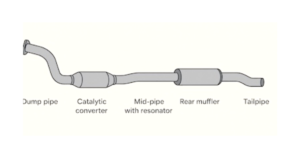 Naturally, I went down the rabbit hole: YouTube videos, forums, Reddit threads, and eventually real-world testing. But one question kept popping up:
“Are turbo back exhaust systems actually legal?”
Short answer: It depends.
Long answer: That’s exactly what this guide is about.
This isn’t just theory; I’ve personally explored the pros, risks, and legal gray areas of turbo back exhausts. If you’re considering one, you need to understand not just performance gains, but also legal implications, costs, and long-term consequences.
What Is a Turbo Back Exhaust System?
A turbo-back exhaust replaces everything from the turbocharger outlet to the tailpipe. That includes:
- Downpipe
- Catalytic converter (often removed or replaced)
- Mid-pipe
- Muffler
Compared to a cat-back exhaust, which only replaces components after the catalytic converter, turbo back systems are much more aggressive both in sound and performance.
My First Impression: Worth It or Overhyped?
When I first upgraded, the difference was immediate:
- Faster turbo spool
- Noticeable horsepower gain
- Much louder, deeper exhaust note
But within a few days, I also noticed:
- The car smelled stronger (due to reduced emissions filtering)
- The sound could be too loud in quiet areas
- I started worrying about legal issues
That’s when I realized: performance upgrades aren’t just about power, they come with trade-offs.
Are Turbo Back Exhaust Systems Illegal?
The Reality: It Depends on Where You Live
Turbo back exhaust systems are often illegal for street use in many regions. Why?
Because they typically:
- Remove or modify the catalytic converter
- Increase emissions beyond legal limits
- Exceed noise regulations
Common Legal Issues
1. Emissions Violations
Most countries require vehicles to have functioning catalytic converters. Removing them = illegal in many places.
2. Noise Regulations
Turbo back systems can easily exceed legal decibel limits.
3. Inspection Failures
In areas with vehicle inspections, your car may fail instantly.
Comparison Table: Turbo Back vs Cat-Back Exhaust
| Feature | Turbo Back Exhaust | Cat-Back Exhaust |
| Performance Gain | High | Moderate |
| Sound Level | Very Loud | Moderate to Loud |
| Emissions Compliance | Often Illegal | Usually Legal |
| Installation Cost | High | Medium |
| Installation Complexity | Difficult | Easier |
| Risk of Fines | High | Low |
| Best For | Track / Performance Builds | Daily Drivers |
Real-World Legal Scenarios
From my experience and research, here’s how it usually plays out:
Scenario 1: Daily Driving in the City
- High chance of noise complaints
- Risk of fines if stopped
- Possible inspection failure
Scenario 2: Rural or Less Strict Areas
- Less enforcement
- Still technically illegal in many cases
Scenario 3: Track Use Only
- Completely fine
- No legal issues
Pros and Cons (My Honest Take)
✅ Pros
- Significant horsepower gains
- Better turbo efficiency
- Aggressive, sporty sound
- Enhanced driving experience
❌ Cons
- Legal risks (fines, penalties)
- Loudness can become annoying
- Environmental impact
- Potential resale issues
Buyer’s Guide: Should You Get a Turbo Back Exhaust?
If you’re considering it, don’t just think “louder = better.” Here’s how to decide smartly.
1. Know Your Local Laws
Before buying anything:
- Check emissions laws
- Understand noise limits
- Research inspection requirements
This step alone can save you a lot of trouble.
2. Decide Your Purpose
Ask yourself:
- Daily driving? → Consider cat-back
- Track build? → Turbo back makes sense
- Occasional fun? → Hybrid setups exist
3. Consider a High-Flow Catalytic Converter
Instead of going fully catless:
- Use a high-flow cat
- Better balance of performance + legality
- Less smell and pollution
4. Budget Realistically
Turbo back systems aren’t cheap:
- Exhaust system: $500–$2,000+
- Installation: $100–$500
- Possible tuning: $200–$800
5. Don’t Forget ECU Tuning
After installing a turbo back system:
- Your engine may need tuning
- Prevents check engine lights
- Optimizes performance
6. Think About Daily Comfort
What feels exciting at first can become annoying:
- Highway drone
- Cold start noise
- Attention from authorities
My Final Verdict (Personal Review)
After living with a turbo back exhaust, here’s my honest opinion:
It’s amazing… but not for everyone.
If you’re building a performance-focused car or track machine, it’s absolutely worth it. But for daily driving, especially in stricter regions, it can become more of a headache than a benefit.
If I had to do it again?
I’d probably go with a high-quality cat-back system for daily use and keep the turbo back for track-only builds.
Long Deep Dive: Everything You Need to Know
Let’s go deeper into why turbo back exhaust systems are controversial.
Why Turbo Back Systems Improve Performance
Turbocharged engines rely on exhaust flow. The faster exhaust gases exit:
- The quicker the turbo spools
- The more efficient the engine becomes
Turbo back systems reduce restrictions, allowing:
- Higher airflow
- Lower backpressure
- Increased horsepower
Why They’re Often Illegal
Modern emissions systems are designed to reduce:
- Carbon monoxide
- Nitrogen oxides
- Hydrocarbons
Removing catalytic converters increases all of these.
Governments regulate emissions to:
- Protect air quality
- Reduce health risks
- Meet environmental standards
Noise Pollution: A Bigger Issue Than You Think
It’s not just about being loud, it’s about:
- Public disturbance
- Legal noise thresholds
- Community complaints
Some regions enforce strict decibel limits, especially at night.
The Hidden Costs
Beyond the purchase price:
- Fines and penalties
- Reinstalling stock parts
- Failed inspections
- Insurance complications
Alternatives to Turbo Back Exhaust
If you want performance without legal risk:
- Cat-back exhaust
- Axle-back systems
- High-flow catalytic converters
Read More: What Are Coil Packs On A Car
FAQs: Are Turbo Back Exhaust Systems Illegal? My Honest Experience
1. Are turbo back exhaust systems illegal everywhere?
No, but they are illegal for street use in many regions due to emissions laws.
2. Can I pass inspection with a turbo back exhaust?
Usually not, especially if the catalytic converter is removed.
3. Do turbo back exhausts increase horsepower?
Yes, they can significantly improve performance in turbocharged engines.
4. Is a catless exhaust illegal?
In most places, yes, especially for road use.
5. Can I make a turbo back exhaust legal?
Sometimes, by adding a high-flow catalytic converter and ensuring noise compliance.
6. Will I get fined?
It depends on enforcement in your area, but the risk exists.
7. Is it worth it for daily driving?
For most people, no. A cat-back system is a safer choice.
8. Does it affect fuel economy?
It can slightly improve efficiency, but aggressive driving often cancels it out.
Final Thoughts
Turbo back exhaust systems are one of those upgrades that sit right on the line between thrilling and risky. They offer real performance gains but also real legal consequences.
If you’re serious about upgrading your car, make sure you’re not just chasing sound and specs, but understand the full picture.