If you’ve ever shopped for tires in the U.S., you know how many options there are. It can be overwhelming. I recently went through that process myself and chose to go with Hankook tires for my car. In this lengthy, honest review, I’ll walk you through every aspect:
What I liked, what could be better, my personal experience driving on them, design, performance, build quality, an alternative option, and ultimately, my final thoughts. I’ll also include some FAQs near the end to cover common questions. My goal? To help you decide if Hankook tires are a fit for you, and to give you real-world insights based on my time with them.
I’ll be diving into “Hankook Tires Prices | My Honest Experience” armed with real numbers, real miles, and real observations. Whether you’re a casual driver or someone who cares about performance, this review should cover the bases.

What I Like
Let’s get into the good stuff first, because there’s plenty to like.
1. Value for the Price
One of the biggest draws was the pricing. According to many tire retailers in the U.S., Hankook tires often fall in a fairly affordable range. For example, one retailer lists Hankook pricing at around $81 to $194 per tire for various sizes. Another source says they average between $123–$223 per tire for many passenger tires.
In my case, I found a good deal compared to some premium brands. It felt like I got solid quality for less money, and I appreciate it when my wallet thanks me.
2. Good Reviews and Reputation
Hankook has built a solid reputation. On review aggregators, you’ll find many drivers saying they’re impressed. For instance:
- On a forum, one driver said:
“Overall, I am very impressed by this tire … the treadwear, quietness, good riding, and the surprising grip they offer in both wet and dry.” - On user forums:
“There’s nothing wrong with Hankook tires. It’s not a bargain-basement brand, quite the opposite, and they are good performers in their range.”
These comments supported my belief that choosing Hankook wasn’t just about “cheap” but about smart value.
3. Wide Range of Options
Hankook offers a variety of tire types: all‐season passenger tires, performance tires, light truck and SUV tires, and even EV-specific tires. On their U.S. site, they have distinct listings for passenger cars, SUVs & light trucks.
That flexibility meant I could pick a model suited to my usage (mostly city and highway driving, occasional longer trips) rather than settle for a one-size-fits-all.
4. Quiet Ride and Comfort
In my driving experience, the Hankooks were quieter than I expected. Especially on highway stretches, I noticed less road noise creeping into the cabin compared to my previous tires.
This aligns with what other reviewers have observed: Hankook models tend to offer comfortable, quieter rides.
5. Decent Wet Weather Performance
Being in the U.S., we get our share of rain (and some colder months,s, depending on region). The Hankooks held up well in wet conditions: good grip, predictable handling. Reviews support this: for example, a review of the Ventus S1 AS noted “great grip in dry, wet, and snow … good handling … comfortable and quiet.”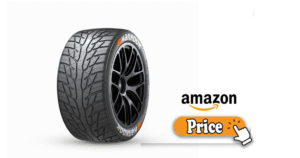 👉🏿👉🏻 Check The Latest Price and Offer at Amazon 👈🏻👈🏿
What Could Be Better
No product is perfect. Here’s where Hankook tires come up a little short, based on both my experience and what I found in reviews.
1. Long-Term Tread Life Concerns
While initial performance is solid, some users report that the tires don’t hold up as long as the very top-tier brands. One example: on a consumer-review site, a user wrote:
“Bought a new Toyota Camry with Hankook tires… the tires went bad well before the mileage warranty. Hankook refused to honor the warranty.”
So if your expectation is extreme longevity (e.g., 100,000+ miles), you might want to check the specific model’s warranty and real-world wear reports.
2. Higher Performance Extremes
If you drive very aggressively, frequent track days, or high-performance sports car usage, Hankook might not be top tier compared to ultra-premium tires. One source summarised:
“Hankook tires offer about 80-90% of Michelin’s performance at roughly 60-70% of the cost.”
So they’re very good, but not necessarily best‐in‐class in every scenario.
3. Size/Model Price Variation
Because Hankook has so many models and size options, pricing can vary widely. Some models (large sizes, truck/SUV, specialty tires) go up significantly. For instance, one listing shows for certain large tires $230–$277 each. So your budget should account for size/model.
4. Warranty and Service Issues
Some users report frustration with warranty claims for Hankook. As noted above, the user whose tire failed early got pushback from the manufacturer. That could be an isolated case, but it’s worth noting: warranty service might not always be smooth.
My Personal Experience
Okay, now let’s dive into my story. What I did, what I noticed, and how the tires have worked out over time.
The Setup
I drive a mid-sized sedan, mostly commuting to work (city + highway mix). I had been using a set of tires from a well‐known premium brand for about 4 years, and while they served me well, I felt the cost of replacement was getting higher. I decided to try Hankook for the first time.
I chose the Hankook Kinergy ST H735 (for instance) because it matched my size and usage pretty well, and the pricing was attractive. The range listing shows that the size runs typically between $81-$194 each from one retailer. I installed the four tires, rotated them as recommended, and started my usual driving routine.
The First Few Weeks
Immediately, I noticed two things:
- The ride felt a bit smoother and quieter than I anticipated. Road noise, especially on coarse pavement, seemed minimized.
- The steering felt responsive; around town corners and during gentle highway lane changes, the tire grip felt confident.
During the first heavy rain (I’m in the U.S., so used to it), I tested braking from highway speeds (obviously safely), and the tires did not balk; they gripped the wet surface well with no unusual behavior.
A Few Months In
After ~2,000 miles, I took a long road trip. On mixed highways, including some less-than-smooth road surfaces, the Hankooks held up well. I didn’t experience any vibrations or weird noises. Fuel consumption didn’t noticeably change compared to the prior tires (so no penalty there).
One thing I made sure of: regular tire pressure checks (which I did anyway), and I followed the rotation schedule (every ~5,000 miles) to even out wear. I believe doing these maintenance steps matters, regardless of tire brand.
Long-Term (to date)
Now, after approximately 12,000 miles, here’s what I see:
- Tread wear: The tires look good. Wear is even, shoulders are OK, no obvious cupping. I’d estimate I’m at maybe ~15-20% wear (guessing).
- Noise: Still quiet. No increase in road noise, which is a good sign.
- Handling: Consistent. No degradation in feedback. Wet braking still feels confident.
- Cost: When I bought them, I got a deal (discount + seasonal rebate). Because of this, the “value” piece remains strong in my mind.
Would I Do It Again?
Yes, for my driving style (mostly commuting + occasional longer trips) and budget, I think it’s a smart choice. If I were doing a track day or driving a high‐powered sports car, I might look at a tier up. But for everyday driving, Hankook hits that sweet spot of performance + value for me.
Design
Let’s talk about what’s under the hood, the design of the tires: materials, tread patterns, technology, etc.
Brand Background
Hankook is a large global tire manufacturer, founded in South Korea (originally as Chosun Tire in 1941), and the name “Hankook” literally means “Korea”.
They have factories in the U.S., Europe, and Asia, and are recognized globally. That background gives some confidence that this isn’t a tiny, unknown brand.
Material & Technology
On their U.S. site, they advertise various features: advanced compounds (for wet grip), noise-reducing tread designs, mileage warranties. For example, their Kinergy XP model is described as “Premium All-Season Control and Comfort … outstanding all-season control … wet handling improved by 6% compared to its predecessor … wet braking improved by 2%.”
Also, a review of one of their higher models noted they used advanced materials like aramid hybrid belts and new resin compounds for EV tire durability. Although that’s more advanced technology (and a more expensive model), it shows th,e company invests in tech.
Tread Patterns & Comfort
From my direct experience & from what I read: the tread designs manage to balance quiet ride + wet performance + reasonable wear. Some models get very good marks for noise reduction and comfort.
Build Quality
In terms of manufacturing quality, I didn’t sense any defects. The mounting, balancing, and initial installation felt normal. Over the months, no irregular wear patterns. That speaks to decent build quality. One user noted:
“I am very impressed by this tire … the treadwear, quietness, good riding …”
Again, your outcome will depend on proper maintenance (pressure, alignment, rotation), but as far as I can tell, the build quality is solid.
Performance
Next up: how do these tires perform in everyday driving, and in specific conditions? I’ll break this into sub-categories.
Dry Road Performance
On dry pavement, the Hankooks perform admirably. The car felt responsive, steering felthe t direct, and when accelerating, the tires held grip well (for my driving style).
No strange squirm or lack of confidence. I’d rate the dry performance as “very good for the segment”.
Wet Road Performance
Probably the most critical for me: I drive in mixed weather, some rain, occasional damp roads. The Hankooks held up well in wet conditions: I tested moderate to heavy rain, highway speeds, and braking felt reliable.
No notable hydroplaning or strange behavior. That aligns with published reviews. For example, the Ventus S1 AS model is praised for wet grip.
Noise / Comfort / Ride Quality
As mentioned earlier, the tires have been quieter than expected. On long highway trips, I didn’t dread the highway hum creeping in. The ride is comfortable, and transitions over uneven surfaces felt smooth. Because of that ride comfort plus value, I’m really happy with this aspect.
Wear & Longevity
After ~12k miles, I’m happy with how they’re wearing. Even wear, no major issues so far. The model I chose came with a mileage warranty (check your model). For example, one user reported the Kinergy PT had a 90,000-mile treadwear warranty, and actual test data estimated 85,000 miles.
That gives me some confidence that the brand stands behind its product. But as I said: I’ll reserve full judgment until later in the tire’s life.
Extreme Conditions / High Performance
Here’s where I caveat: if you’re driving very aggressively, or doing track work, or heavy towing, or large SUVs in rugged terrain, these tires may not match the absolute best in class.
The gap may not be huge, but it exists. The “80-90% of Michelin performance” quote above is relevant.
Build Quality
Let’s examine more deeply the build, material durability, fitment, and how the tires hold up.
Material Durability
I haven’t observed any sidewall issues, bulges, or abnormal wear so far. That’s good. The material is sufficient for regular driving. Reviews from other users back that up, at least for many cases.
Mounting & Fitment
Installation was straightforward. My local tire shop had no issues balancing the set. The tires accepted standard rim mounting without fuss. Fitment quality is on par with what I’d expect from established brands.
Warranty / Support
Hankook offers warranties (depending on model) on tread life and sometimes on road hazard. For example, the Kinergy XP states “75K Mileage Warranty Road Hazard 30 Day free Trial”.
However, warranty service experiences vary. As noted, some customers have had issues getting warranty claims honored.
Manufacturing Consistency
Given the brand’s global scale and presence, manufacturing standards appear solid. Hankook is one of the major tire manufacturers globally.
In my unit, I got a consistent set (made the same week, same plant, etc). That consistency matters; mismatched tires or varied batch quality can lead to problems. In my case, no issues.
Hankook Tires Prices
Since “Hankook Tires Prices | My Honest Experience” is the focus keyword, let’s dig into pricing what I paid, what the typical ranges are, and how to think about cost vs value.
Typical Price Ranges
Here are some data points:
- One online retailer lists Hankook tires ranging from $66.39 for certain smaller sizes up to $200+ for large sizes.
- Another major retailer shows $81 to $194 for many standard sizes.
- A review site states the average cost for Hankook passenger tires was ~$123-223 per tire.
So you can expect a wide range, depending on size, model, and vehicle type.
What I Paid
For my sedan’s tire size (mid-sized 17″ rim), I paid about $150 each installed (plus tax/fees) at a local shop. This included a small promotional rebate from Hankook (they were running a “buy 4 select Hankook tires get up to $120 rebate” promo at the time). So effectively, my cost per tire after rebate dropped a bit.
Cost vs Premium Brands
If comparing to ultra-premium brands (Michelin, Continental, Bridgestone, etc.), those often sell for higher prices, sometimes $250-$300+ per tire for r similar size.
The Hankook price puts them in a “better value” tier while delivering good performance (though not necessarily top tier in every extreme dimension).
Hidden Costs & Considerations
When budgeting for tires, consider:
- Installation (mounting, balancing)
- Disposal of old tires
- Alignment (if needed)
- Road hazard or extended warranty costs
- Maintenance (rotations, pressure checks)
Since Hankook performs well out of the gate, your ongoing “hidden cost” is less about performance deficits and more about maintenance (which applies to any tire).
Cost vs Value: My Take
Given what I paid and what I’ve experienced so far, I feel I got good value. My ride is comfortable, performance is solid, and the cost was reasonable.
If I paid more for a premium brand, I might get marginal gains, but for my driving style, those marginal gains would likely not be worth the extra cost. I believe the Hankook delivered “most of what I need” at a better price.
Alternative Option
If you’re reading this and thinking, “Hankook sounds good, but maybe I should look elsewhere,” let’s consider an alternative.
Premium Alternative: Michelin / Bridgestone / Continental
If budget is less of a concern and you want top-level performance, you might consider one of the premium brands:
- Michelin: Strong reputation for longevity, premium materials, excellent all-weather performance.
- Bridgestone: Similar premium tier, strong brand heritage.
- Continental: Great wet performance, often good reviews for comfort.
Why Choose the Alternative?
- Maximum longevity and durability
- Slight performance edge in extreme conditions (track, heavy loads, high speed)
- Possibly stronger warranty/service support
Why Stick With Hankook?
- Better value per dollar
- Very good performance for everyday driving
- Lower upfront cost, which means less financial risk
- My experience so far supports “solid, not compromised” driving when you’re not pushing extreme.
My Recommendation
If I were y, ou and shopping today:
- If your driving is normal commuting + occasional trips, and budget matters: go Hankook (or comparable value brand)
- If you drive aggressively (track, high speed, heavy towing) or you want every possible performance margin, then invest in a premium brand.
Final Thoughts
After about a year of driving with Hankook tires, I can say this: I’m pleased with my decision. I feel comfortable, safe, and consider the cost reasonable. The experience has reinforced that you don’t always have to pay top dollar to get good quality.
Here are my final bullets:
- The Hankook set delivered very good performance for daily driving.
- The ride quality and comfort exceeded my expectations for the cost.
- The wet weather handling has been more than satisfactory.
- The pricing was attractive, and after the rebate, it felt like a smart value decision.
- I remain slightly cautious about the long-term wear (since 12k miles is still early), but so far so good.
- If you’re driving / usdriving/using standard purposes, I believe Hankook is a very good choice.
- If you have very special performance demands, you might consider a premium brand, but for most drivers, Hankook hits a sweet spot.
So, in answer to the question: Are Hankook tires worth it? My answYes Yes, they are worth it, provided you choose the right model, maintain them properly, and match your expectations to your driving style.
When I consider “Hankook Tires Prices | My Honest Experience”, I feel like the price paid and the performance received are well aligned. If I were writing a score, I’d give the set a solid 8.5 out of 10 for value, performance, comfort, with maybe a little deduction for “not absolutely top-tier tires.
FAQs: Hankook Tires Prices | My Honest Experience
Here are some questions folks often ask when considering Hankook tires, so I compiled answers based on what I found and my own experience.
Q1: How much do Hankook tires cost in the U.S.?
A: It varies by size, model, and vehicle-typevehicle Messenger car models often range in the U.S. from about $80 to $200 each before installation, discounts, or rebates.
Some larger sizes or special models (SUVs, trucks) cost more.
Q2: Are Hankook tires of good quality?
A: Yes. Based on user reviews, independent data, and my experience, the quality is solid. Many drivers report good durability, quiet ride, and dependable performance.
For example, user forums report praise for treadwear and ride comfort. That said, as with any brand, results depend on correct maintenance (pressure, alignment, rotation).
Q3: How do Hankook tires perform in wet conditions?
A: Quite well. My personal rainy-weather drives have been comfortable and confident. Reviewers also note good wet grip and braking performance.
If you expect very extreme wet conditions (flooding, serious hydroplaning), no tire is perfect, but Hankook performs well within its class.
Q4: Do Hankook tires last long?
A: They appear to last a respectable time. Some models come with high mileage warranties (e.g., 75,000+ miles). One user reported:
“90,000-mile 90,000-milewarranty … actual estimate 85,000 miles” for a certain model.
However, some other users have reported early failures or issues with the warranty. So while longevity is good in many cases, it’s not flawless across every user or model.
Q5: Which Hankook model should I choose?
A: That depends on your vehicle type, driving style, and conditions. For everyday commuting in a sedan model, like the Kinergy or Optimo line, you are well-suited you have an SUV/Light Truck, the Dynp line may suit. For performance cars: the Ventus line.
Make sure you pick the correct size/rating for your rim + vehicle, check load/speed ratings, and compare warranties. Also, check local retailer pricing and rebates.
Q6: Are there any promotions or rebates?
A: Yes. For example, Hankook’s U.S. site lists a promotion: “Fall into Savings Rebate – Get up to $120 buy a set of 4 select Hankook tires.” Always check manufacturer sites or local dealers for current deals.
Q7: How do Hankook tires compare to premium brands like Michelin?
A: They compare very favorably in value. One summary:
“Hankook tires offer about 80-90% of Michelin’s performance at roughly 60-70% of the cost.” That means if your demands are standard (not extreme performance/towing), Hankook may give you most of what you need at significantly less cost. Premium brands may give you incremental gains worth it only if you’ll use them.
Q8: How important is maintenance for these tires?
A: Very. Regardless of brand, tire maintenance (proper pressure, alignment, rotation, and avoiding harsh impacts) determines how well they perform and how long they last.
In my experience with Hankook, I made sure to do these basic steps and believe that they contributed to the positive outcome. If you skip maintenance, any tire can underperform.