I didn’t think much about my car’s fuel pump until the day it left me stranded on the side of the road. One minute everything felt normal, and the next… hesitation, sputtering, and then silence.
No warning light, no dramatic explosion, just a quiet failure that turned into an expensive lesson. If you’ve ever experienced rough starts, loss of power, or your car simply refusing to start, there’s a good chance the fuel pump might be the culprit.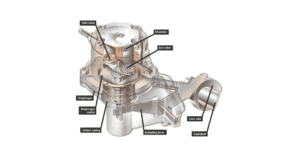 Replacing it isn’t the cheapest fix, but it’s one of those repairs that can completely transform how your car runs. In this guide, I’ll break down my real-world experience with fuel pump replacement costs, options, mistakes to avoid, and how to choose the right one.
Whether you’re a DIY enthusiast or planning to visit a mechanic, this will help you make a smarter decision.
What Does a Fuel Pump Actually Do?
Think of the fuel pump as the heart of your car’s engine. It moves fuel from the tank to the engine at the correct pressure. Without it, your engine simply can’t run.
Modern cars typically use electric fuel pumps located inside the fuel tank. Older vehicles may have mechanical pumps, but those are becoming rare.
Signs Your Fuel Pump Is Failing
Before mine failed, there were subtle warning signs I ignored:
- Difficulty starting the engine
- Sudden loss of power while driving
- Engine sputtering at high speeds
- Unusual whining noise from the fuel tank
- Poor fuel efficiency
If you notice these symptoms, don’t wait. A failing pump doesn’t fix itself if it gets worse.
My Experience With Fuel Pump Replacement
When my car broke down, I had two options: tow it to a mechanic or attempt a DIY fix. I chose the mechanic route (after realizing dropping a fuel tank in my driveway wasn’t exactly fun).
What surprised me:
- The part itself wasn’t the most expensive; rt labor was
- Some mechanics recommended replacing the fuel filter and relay at the same time
- Cheap pumps fail faster (lesson learned later)
After replacement, the difference was immediate:
- Smooth startup
- Better acceleration
- No more hesitation
It felt like driving a different car.
Fuel Pump Replacement Cost Breakdown
Here’s a realistic overview of what you might expect:
| Component | Cost Range (USD) | Notes |
| Fuel Pump (Part) | $50 – $400 | Depends on brand & vehicle |
| Labor | $150 – $600 | Tank removal can be labor-intensive |
| Fuel Filter (Optional) | $20 – $100 | Recommended replacement |
| Total Cost | $200 – $1000+ | Varies widely |
💡 Pro Tip: In the USA or similar markets, costs may be lower, but quality can vary significantly.
Types of Fuel Pumps (Quick Comparison)
| Type | Pros | Cons | Best For |
| Electric (In-Tank) | Efficient, reliable | Harder to access | Modern cars |
| Inline Electric | Easier to replace | Less common | Modified vehicles |
| Mechanical | Simple design | Less efficient | Older cars |
OEM vs Aftermarket Fuel Pumps
This was one of the biggest decisions I had to make.
OEM (Original Equipment Manufacturer)
- Perfect fit
- Reliable performance
- More expensive
Aftermarket
- Cheaper
- Wide variety
- Quality varies a lot
👉 My takeaway:
If you plan to keep your car long-term, an OEM or high-quality aftermarket is worth it. Cheap pumps can fail within months.
DIY vs Mechanic: Should You Replace It Yourself?
DIY Replacement
Pros:
- Saves money
- Great learning experience
Cons:
- Requires tools and skills
- Fuel tank removal can be dangerous
- Time-consuming
Mechanic Replacement
Pros:
- Faster and safer
- Warranty on work
Cons:
- More expensive
👉 My honest advice:
If your pump is inside the tank, let a professional handle it unless you’re experienced.
Step-by-Step Overview (Simplified)
If you’re curious how it works:
- Disconnect battery
- Relieve fuel system pressure
- Remove the fuel tank or the access panel
- Disconnect fuel lines and wiring
- Replace the pump assembly
- Reinstall everything
- Test for leaks and start the engine
⚠️ Safety matters: fuel is highly flammable.
Buyer’s Guide: How to Choose the Right Fuel Pump
Choosing the wrong fuel pump can lead to repeat repairs, something I learned the hard way.
1. Compatibility
Always match your car’s make, model, and engine type.
2. Brand Reputation
Look for trusted brands. Avoid unknown ultra-cheap options.
3. Warranty
A good pump should come with at least a 6–12 month warranty.
4. Noise Level
Some cheaper pumps are noticeably louder.
5. Fuel Pressure Rating
Must meet your engine’s requirements.
Common Mistakes to Avoid
- ❌ Ignoring early symptoms
- ❌ Buying the cheapest pump available
- ❌ Not replacing the fuel filter
- ❌ Skipping professional help when needed
- ❌ Forgetting to check the wiring or the relay
How Long Does a Fuel Pump Last?
Most fuel pumps last:
- 100,000 to 150,000 miles (160,000–240,000 km)
But lifespan depends on:
- Fuel quality
- Driving habits
- Maintenance
💡 Running your car on low fuel frequently can shorten the pump life.
Tips to Extend Fuel Pump Life
- Keep your tank at least ¼ full
- Use good-quality fuel
- Replace the fuel filter regularly
- Avoid overheating the pump
Is Fuel Pump Replacement Worth It?
Absolutely, especially if your car is otherwise in good condition. Replacing the pump restored:
- Performance
- Reliability
- Peace of mind
Compared to buying a new car, it’s a small investment.
Read More: How To Read an Engine Oil Dipstick
FAQs: Fuel Pump Replacement | My Honest Experience
1. Can I drive with a bad fuel pump?
Not safely. It can fail suddenly and leave you stranded.
2. How long does replacement take?
Typically 2–4 hours, depending on the vehicle.
3. Will a bad fuel pump trigger a check engine light?
Sometimes, but not always.
4. Can a clogged filter damage the pump?
Yes. It forces the pump to work harder.
5. Is it better to replace the whole assembly?
In most cases, yes,s it ensures reliability.
6. Why is labor so expensive?
Because accessing the fuel pump often requires removing the fuel tank.
7. Can I clean a fuel pump instead of replacing it?
Not effectively. Replacement is usually the only solution.
Final Thoughts: What I’d Do Differently
If I could go back, I’d replace my fuel pump before it completely failed. Ignoring early warning signs cost me time, stress, and towing fees.
The biggest lesson? Don’t cut corners on critical components like this. A reliable fuel pump isn’t just about performance; it’s about not getting stuck in the worst possible moment.