A properly functioning air conditioning system is essential for comfortable driving, especially during hot summer months. One small but critical component within the AC system is the AC pressure switch.
While often overlooked, this sensor plays a major role in protecting the air conditioning compressor and ensuring the system operates safely.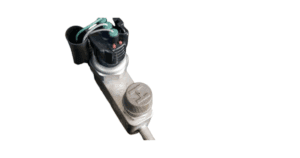 If your vehicle’s AC suddenly stops blowing cold air, cycles on and off frequently, or refuses to engage at all, the AC pressure switch may be the culprit. I learned this firsthand when my car’s air conditioner started acting strangely.
The compressor would engage for a few seconds and then shut off repeatedly. Initially, I assumed the refrigerant was low, but after some investigation, I discovered the pressure switch was sending incorrect signals to the system.
This guide explains everything you need to know about checking a car’s AC pressure switch, including testing procedures, warning signs, tools, troubleshooting methods, and buying advice if replacement becomes necessary.
What Is a Car AC Pressure Switch?
The AC pressure switch is a safety device installed in the air conditioning system. Its primary function is monitoring refrigerant pressure and protecting expensive components from damage.
The switch communicates with the vehicle’s:
- AC compressor
- Climate control system
- Engine control module
- Cooling fans
When refrigerant pressure becomes too high or too low, the switch interrupts compressor operation. Without this protection, severe damage could occur.
Common Types of AC Pressure Switches
| Switch Type | Function | Typical Location |
| Low-Pressure Switch | Prevents compressor operation when the refrigerant is too low | Suction line |
| High-Pressure Switch | Protects the system from excessive pressure | High-pressure line |
| Dual Pressure Switch | Monitors both high and low pressure | Refrigerant line |
| Triple Pressure Switch | Controls pressure and cooling fans | AC manifold system |
Modern vehicles commonly use dual-function pressure sensors instead of separate switches.
Symptoms of a Bad AC Pressure Switch
Recognizing the warning signs early can save money and prevent compressor damage.
1. AC Compressor Won’t Turn On
One of the most common symptoms. The pressure switch may falsely indicate unsafe pressure conditions, preventing compressor engagement.
Signs:
- No compressor clutch engagement
- Warm air from ventsThe
- AC button lights up, but the cooling doesn’t start
2. Compressor Cycles Rapidly
Rapid cycling usually means incorrect pressure readings. Symptoms include:
- The compressor turns on and off every few seconds
- Inconsistent cabin cooling
- Reduced efficiency
3. Warm Air from Vents
If the switch prevents compressor operation entirely, refrigerant circulation stops. Result:
- The blower works normally
- No cold air
4. Check Engine Light
Many modern vehicles monitor the AC system performance. A faulty pressure switch can trigger:
- Diagnostic trouble codes
- Check Engine Light
5. Cooling Fans Behave Abnormally
Some pressure switches communicate with radiator cooling fans. Symptoms include:
- Fans run continuously
- Fans never activate
- Engine temperature fluctuations
Tools Needed to Check an AC Pressure Switch
Before beginning the diagnosis, gather the following tools.
| Tool | Purpose |
| Digital Multimeter | Test continuity and voltage |
| AC Manifold Gauge Set | Check refrigerant pressure |
| Safety Glasses | Eye protection |
| Vehicle Service Manual | Wiring diagrams |
| Scan Tool | Read fault codes |
| Test Leads | Electrical testing |
Safety Precautions Before Testing
Air conditioning systems operate under significant pressure.
Always:
✔ Wear safety glasses
✔ Work in a well-ventilated area
✔ Keep your hands away from moving belts
✔ Turn the engine off before disconnecting sensors
✔ Avoid releasing refrigerant
Never puncture AC lines.
Step-by-Step Guide: How to Check a Car AC Pressure Switch
Step 1: Locate the Pressure Switch
The first step is finding the switch. Common locations include:
Low Side
- Near accumulator
- On the suction line
High Side
- Near condenser
- High-pressure line
Dual Switch
- Refrigerant line near the firewall
Consult your vehicle service manual if necessary.
Step 2: Perform a Visual Inspection
Before electrical testing, inspect the switch carefully. Look for:
- Broken wiring
- Corrosion
- Oil residue
- Damaged connector
- Loose terminals
Many AC problems originate from wiring rather than the switch itself.
Step 3: Check Refrigerant Pressure
A pressure switch can appear faulty when refrigerant levels are actually incorrect. Connect manifold gauges.
Typical Static Pressure
| Ambient Temperature | Expected Pressure |
| 70°F (21°C) | 70 PSI |
| 80°F (27°C) | 85 PSI |
| 90°F (32°C) | 100 PSI |
| 100°F (38°C) | 115 PSI |
If pressure is significantly low, recharge or repair leaks before condemning the switch.
Step 4: Disconnect the Pressure Switch Connector
Turn off:
- Engine
- Ignition
- AC controls
Disconnect the electrical connector carefully. Inspect terminals for:
- Corrosion
- Moisture
- Bent pins
Step 5: Test Continuity with a Multimeter
Set the multimeter to continuity mode. Place probes on switch terminals.
Results
| Reading | Meaning |
| Continuity Present | Switch Closed |
| No Continuity | Switch Open |
| Intermittent Reading | Defective Switch |
Compare results with manufacturer specifications.
Step 6: Check Voltage Supply
Reconnect battery power.
Turn ignition ON.
Measure voltage at the connector.
Expected reading:
- Approximately 12 volts
No voltage may indicate:
- Blown fuse
- Wiring problem
- Faulty relay
Step 7: Perform a Jumper Test (Advanced)
Only for diagnostic purposes.
Briefly bridge the connector terminals using a jumper wire.
If the compressor engages:
- The switch may be faulty
If the compressor still doesn’t engage:
- Problem likely elsewhere
Never leave a jumper installed permanently.
Step 8: Scan for Diagnostic Trouble Codes
Modern vehicles often store AC-related codes. Common examples include:
- Pressure sensor circuit faults
- High-pressure faults
- Low-pressure faults
A scan tool provides valuable clues.
My Personal Experience Diagnosing an AC Pressure Switch
A few years ago, my sedan stopped cooling properly during a heat wave. Initially, I assumed low refrigerant was the problem. After connecting the gauges, pressure readings appeared normal.
The compressor clutch engaged briefly and shut off repeatedly. Using a multimeter, I discovered inconsistent continuity through the low-pressure switch. Replacement took less than 20 minutes and immediately restored normal operation.
The experience reinforced an important lesson: Always test before replacing expensive AC components.
How to Tell if the Pressure Switch or Refrigerant Is the Problem
Many vehicle owners confuse these issues.
| Symptom | Low Refrigerant | Bad Pressure Switch |
| Low gauge readings | Yes | Usually No |
| Compressor won’t engage | Yes | Yes |
| Correct pressure readings | No | Yes |
| Intermittent AC operation | Sometimes | Frequently |
| Electrical continuity failure | No | Yes |
| Fault code present | Sometimes | Often |
This comparison can save significant diagnostic time.
Common Causes of Pressure Switch Failure
Several factors contribute to switch failure.
Age
Most switches eventually wear out after years of service.
Moisture Intrusion
Water can damage internal contacts.
Electrical Corrosion
Corroded terminals create false signals.
Excessive Vibration
Engine vibration gradually damages electronics.
Refrigerant Contamination
Debris inside the system can affect sensor performance.
Can You Drive with a Bad AC Pressure Switch?
Yes, in most cases. However:
- Air conditioning performance suffers
- Compressor protection may be compromised
- System damage becomes possible
Ignoring the issue can lead to costly repairs.
AC Pressure Switch Replacement Overview
Replacement is often straightforward. General steps:
- Disconnect battery
- Locate switch
- Disconnect connector
- Remove switch
- Install replacement
- Reconnect wiring
- Test operation
Some systems require refrigerant recovery before removal. Always verify procedures for your vehicle.
Buyer’s Guide: Choosing a Replacement AC Pressure Switch
If testing confirms failure, selecting the correct replacement matters.
OEM vs Aftermarket
OEM Advantages
- Exact fit
- Factory calibration
- Higher reliability
Aftermarket Advantages
- Lower cost
- Wider availability
Compatibility
Always verify:
- Vehicle year
- Make
- Model
- Engine size
Connector Design
Connectors vary significantly. Compare:
- Pin count
- Connector shape
- Thread size
Build Quality
Look for:
- Sealed housing
- Corrosion-resistant contacts
- OEM-grade materials
Warranty Coverage
A good warranty indicates manufacturer confidence. Prefer:
- 1-year minimum coverage
- Reputable brands
Cost of Replacing an AC Pressure Switch
Typical expenses vary by vehicle.
| Service | Average Cost |
| Pressure Switch | $20–$100 |
| Professional Labor | $50–$200 |
| Full Replacement Total | $70–$300 |
| Premium Vehicles | $300+ |
Luxury vehicles often cost more.
Preventing Future Pressure Switch Problems
Preventive maintenance helps maximize lifespan.
Check Refrigerant Levels
Proper pressure reduces component stress.
Inspect Wiring
Repair damaged wiring immediately.
Clean Connectors
Corrosion causes many sensor failures.
Service the AC System Regularly
Routine inspections identify problems early.
Run AC Year-Round
Occasional operation keeps seals lubricated.
Read More: How Do You Check The Oil Level In Your Car
FAQs: How To Check Car AC Pressure Switch
How do I know if my AC pressure switch is bad?
Common signs include warm air, compressor failure, rapid cycling, abnormal fan operation, and AC-related diagnostic codes.
Can I bypass an AC pressure switch?
Only temporarily for testing. Permanent bypassing can damage the compressor and create safety risks.
Will a bad pressure switch stop the AC compressor?
Yes. The switch is specifically designed to prevent compressor operation when unsafe conditions are detected.
Can low refrigerant mimic a bad pressure switch?
Absolutely. Low refrigerant is one of the most common causes of compressor shutdown and should always be checked first.
How long does an AC pressure switch last?
Most switches last between 8 and 15 years, depending on operating conditions and vehicle usage.
Do I need special tools to test it?
A digital multimeter and AC manifold gauge set provide the most accurate diagnosis.
Can a bad pressure switch trigger the Check Engine Light?
Yes. Modern vehicles often monitor AC pressure sensor performance and may store diagnostic trouble codes.
Is replacing an AC pressure switch difficult?
For many vehicles, replacement is relatively simple. However, some systems require refrigerant evacuation before removal.
How much does a pressure switch cost?
Most replacement switches range from $20 to $100, depending on vehicle make and model.
Should I replace the pressure switch or recharge refrigerant first?
Always verify refrigerant pressure first. A low charge can create symptoms identical to a faulty switch.
Final Thoughts
Knowing how to check a car’s AC pressure switch can save considerable time, money, and frustration when diagnosing air conditioning problems.
While a faulty pressure switch can cause compressor shutdowns, warm air, and erratic cooling performance, many symptoms closely resemble low refrigerant levels or electrical issues.
The best diagnostic approach is systematic:
- Inspect the switch visually.
- Verify refrigerant pressure.
- Test continuity.
- Check the voltage supply.
- Use a scan tool when available.
From personal experience, spending a few minutes with a multimeter often prevents unnecessary replacement of expensive AC components.
With proper testing and maintenance, you can keep your vehicle’s air conditioning system operating efficiently and comfortably for years to come.