Most drivers rarely think about their engine oil until a warning light suddenly appears on the dashboard. I used to be one of those people.
A few years ago, I noticed my car’s engine becoming noisier than usual. The vehicle still drove fine, but something didn’t feel right. When I finally checked the oil dipstick, I discovered the oil level was dangerously low.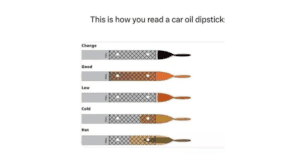 Fortunately, I caught the issue before serious damage occurred. Since then, checking the engine oil dipstick has become one of my regular car maintenance habits. It takes less than five minutes, costs absolutely nothing, and can potentially save thousands of dollars in engine repairs.
In this guide, I’ll explain exactly how to check engine oil using a dipstick, what the readings mean, common mistakes to avoid, and the tools that make the job easier.
Why Checking Engine Oil Matters
Engine oil is often called the lifeblood of your vehicle. It performs several critical functions:
- Lubricates moving engine parts
- Reduces friction and wear
- Helps cool engine components
- Prevents sludge buildup
- Protects against corrosion
- Keeps the engine running smoothly
Without enough oil, engine components can overheat and wear rapidly. Checking the oil level regularly is one of the easiest forms of preventive maintenance.
What Is an Engine Oil Dipstick?
An engine oil dipstick is a long metal or plastic measuring rod inserted into the engine’s oil pan. Its purpose is simple:
It allows you to quickly determine:
- How much oil is currently in the engine
- The condition of the oil
- Whether an oil change is needed
Most dipsticks have markings such as:
- MIN and MAX
- LOW and FULL
- Two small holes
- Crosshatched areas
These indicators show whether your oil level is within the safe operating range.
My Personal Experience with Oil Checks
I originally thought checking oil was complicated and only something mechanics should do. I couldn’t have been more wrong.
The first time I checked my oil dipstick, I was surprised by how easy the process was. It took only a few minutes and gave me immediate peace of mind. Now I check my engine oil:
- Before long trips
- Every few weeks
- Before the summer and winter seasons
- Whenever I notice unusual engine behavior
This simple habit has helped me detect small issues before they became expensive repairs.
Basic Tools Comparison Table
| Tool | Purpose | Necessary? | Ease of Use | Recommended |
| Engine Oil Dipstick | Measure oil level | Essential | Very Easy | ★★★★★ |
| Paper Towels | Wipe the dipstick clean | Highly Recommended | Very Easy | ★★★★★ |
| Flashlight | Better visibility | Optional | Easy | ★★★★☆ |
| Gloves | Keep hands clean | Optional | Easy | ★★★★☆ |
| Funnel | Add oil without spills | Helpful | Easy | ★★★★★ |
When Should You Check Engine Oil?
Timing matters. Most manufacturers recommend checking engine oil:
Before Long Trips
Extra peace of mind before highway driving.
Every Month
Good preventive maintenance practice.
After High Mileage Driving
Long commutes can increase oil consumption.
If Warning Lights Appear
Never ignore an oil warning indicator.
If the Engine Sounds Different
Ticking or knocking noises can sometimes indicate low oil levels.
Step-by-Step Guide: How To Check Engine Oil Dipstick
Step 1: Park on Level Ground
This is extremely important.
If the car is parked on an incline, oil may collect unevenly and provide inaccurate readings.
A flat surface ensures proper measurement.
Step 2: Turn Off the Engine
After driving, turn off the engine and wait approximately 5 to 10 minutes.
This allows oil to drain back into the oil pan.
Checking immediately after shutting off the engine may result in an inaccurate low reading.
Step 3: Open the Hood
Locate the hood release lever and secure the hood properly. Find the oil dipstick. In most vehicles, the dipstick handle is:
- Yellow
- Orange
- Red
Although colors vary by manufacturer.
Step 4: Pull Out the Dipstick
Carefully remove the dipstick completely.
At this stage, the reading will usually be unclear because oil splashes during engine operation.
Step 5: Wipe It Clean
Use a clean paper towel or cloth.
Remove all oil from the measuring section.
This step is essential.
Step 6: Reinsert the Dipstick Fully
Push the dipstick all the way back into its tube.
Wait a few seconds.
Step 7: Remove It Again
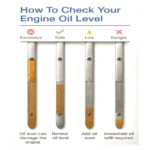
Now check the oil level carefully. The oil mark should ideally be between:
- MIN and MAX
or - LOW and FULL
Anywhere within this range is generally safe.
Understanding Dipstick Readings
Oil at Maximum Mark
This usually means your oil level is perfect.
No action required.
Oil Slightly Below Full
Still acceptable.
Most vehicles operate normally in this range.
Oil Near Minimum Mark
You should add oil soon.
Running continuously at low levels can increase wear.
Oil Below Minimum
Add oil immediately.
Driving with insufficient oil can seriously damage the engine.
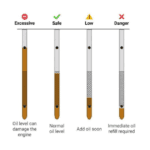
Example Dipstick Reading Table
| Oil Level | Meaning | Action Needed |
| Above MAX | Too much oil | Remove excess oil |
| At FULL | Ideal condition | No action |
| Mid-Level | Safe | Monitor regularly |
| Near LOW | Slightly low | Add oil soon |
| Below LOW | Dangerous | Add oil immediately |
Checking Oil Quality Matters Too
The dipstick doesn’t only measure quantity.
It also provides clues about the oil condition.
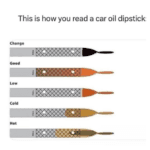
Healthy Oil Usually Looks:
- Amber
- Light brown
- Smooth texture
Oil May Need Replacement If It Is:
- Very dark black
- Thick and sludgy
- Contains particles
- Smells burnt
Modern oils can become dark naturally, so color alone isn’t always enough to determine oil life.
My Personal Routine
I personally follow this schedule:
Every Two Weeks:
Quick dipstick inspection.
Every Fuel Fill-Up Before Long Trips:
Oil level check.
Every Oil Change:
Inspect oil color and consistency.
This routine takes less than five minutes.
Common Mistakes People Make
Checking on Uneven Ground
This creates inaccurate readings.
Not Waiting After Driving
Oil needs time to settle.
Forgetting to Wipe the Dipstick
First readings are often misleading.
Overfilling the Engine
Too much oil can be just as harmful as too little. Excess oil may cause:
- Foaming
- Increased pressure
- Seal damage
- Reduced lubrication efficiency
Using the Wrong Oil Type
Always follow manufacturer specifications.
Signs Your Engine May Be Low on Oil
Watch for these warning signs:
Engine Warning Light
Never ignore this.
Increased Engine Noise
Low oil often causes ticking sounds.
Burning Oil Smell
May indicate leaks or excessive consumption.
Poor Performance
Insufficient lubrication can increase engine resistance.
Excessive Exhaust Smoke
Can indicate oil consumption issues.
Buyer’s Guide: Helpful Products for Oil Checking and Maintenance
Checking oil is simple, but having the right accessories makes the process easier.
1. Disposable Gloves
Ideal for keeping hands clean.
Nitrile gloves are especially useful.
2. LED Flashlight
Helpful when checking oil in low-light conditions.
A compact flashlight can make reading the dipstick much easier.
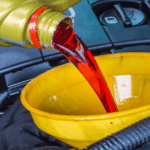
3. Oil Funnel
One of the best inexpensive tools.
Funnels prevent spills when topping off oil.
4. Clean Microfiber Towels
Reusable and more durable than paper towels.
Excellent for routine maintenance.
5. Quality Engine Oil
Always buy oil that matches:
- Manufacturer specifications
- Recommended viscosity
- API certifications
Using incorrect oil may reduce engine protection.
Why I Recommend Checking Oil Yourself
Many people rely entirely on service centers. However, checking oil personally offers several advantages:
Early Problem Detection
You may notice leaks before serious damage occurs.
Saves Money
Avoid costly engine repairs.
Builds Confidence
Basic maintenance knowledge is empowering.
Provides Peace of Mind
Especially before road trips.
How Often Do Cars Consume Oil?
Some oil consumption is normal. Factors include:
- Vehicle age
- Driving style
- Engine design
- Climate conditions
- Mileage
Older vehicles may require more frequent monitoring. Some modern turbocharged engines also consume oil more rapidly.
What Happens If You Never Check Your Oil?
Neglecting oil checks can eventually lead to:
- Accelerated engine wear
- Overheating
- Sludge buildup
- Bearing damage
- Engine seizure
- Extremely expensive repairs
A few minutes of maintenance can prevent these problems.
Engine Oil Dipstick Tips I Wish I Learned Earlier
Keep Paper Towels in the Trunk
Makes checks easier anywhere.
Check Before Road Trips
Long journeys increase engine stress.
Learn Your Engine’s Oil Capacity
Helpful when topping off.
Watch for Sudden Oil Loss
Rapid drops may indicate leaks.
Record Oil Consumption
This can reveal hidden mechanical problems.
Read More: How To Measure Engine Oil Level
FAQs: How To Check Engine Oil Dipstick
1. How often should I check my engine oil?
Most experts recommend checking at least once a month and before long trips.
2. Should I check oil when the engine is hot or cold?
Warm engines are acceptable, but wait 5–10 minutes after shutting off the engine so oil can settle.
3. What if my oil level is slightly below full?
This is usually fine, but monitor it regularly.
4. Can too much oil damage an engine?
Yes. Overfilling may create excessive pressure and lubrication problems.
5. Why does my oil look black?
Engine oil naturally darkens over time. Extremely thick or sludgy oil may indicate it needs changing.
6. What if the dipstick is dry?
Do not continue driving. Add oil immediately and inspect for leaks.
7. Is checking oil difficult?
No. Most people can learn the process in a few minutes.
8. Can newer cars still use dipsticks?
Many modern vehicles still have dipsticks, although some luxury models now use electronic oil monitoring systems.
9. Why does my engine consume oil?
Older engines, turbocharged engines, and worn piston rings can increase oil consumption.
10. Does checking oil really prevent engine damage?
Absolutely. Regular oil monitoring is one of the most effective ways to extend engine life and avoid expensive repairs.
Final Thoughts
Learning how to check an engine oil dipstick is one of the simplest yet most valuable car maintenance skills any driver can have.
I used to ignore this small task, assuming it wasn’t important. After experiencing low oil levels firsthand, I realized how critical this five-minute inspection really is. Regular oil checks can:
✓ Protect your engine
✓ Save money
✓ Improve reliability
✓ Prevent major repairs
✓ Give peace of mind before long trips
Even if you know very little about cars, checking the dipstick is easy to learn and can dramatically extend your engine’s lifespan.