There are few things more frustrating than turning on your car’s air conditioning during a hot summer day only to realize that the air isn’t as cold as it used to be. I experienced this firsthand last year when my car’s AC started struggling despite having enough refrigerant.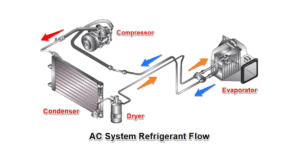 After some research and a visit to a mechanic, I discovered that the condenser was heavily clogged with dust, insects, road grime, and debris. Instead of immediately replacing expensive components, I tried using a car AC condenser cleaner, and the improvement was surprisingly noticeable.
In this guide, I’ll share my experience, review popular condenser cleaners, explain how they work, and help you choose the right product for your vehicle.
What Is a Car AC Condenser Cleaner?
A car AC condenser cleaner is a specially formulated cleaning solution designed to remove dirt, grease, bugs, pollen, and road debris that accumulate on the condenser fins.
The condenser sits at the front of your vehicle, usually near the radiator, making it highly exposed to contaminants. Over time, this buildup blocks airflow and reduces cooling efficiency.
Cleaning the condenser can help:
- Improve AC cooling performance
- Reduce strain on the compressor
- Increase fuel efficiency slightly
- Extend the lifespan of AC components
- Eliminate unpleasant odors caused by trapped debris
Why I Decided to Use a Condenser Cleaner
My car’s AC wasn’t completely broken. It still worked, but:
- Cooling took much longer.
- The air wasn’t as cold.
- The compressor seemed to run continuously.
- Fuel consumption slightly increased.
The mechanic quoted a significant amount for inspection and deep cleaning. Before spending that money, I decided to try a quality condenser cleaner. After cleaning, I noticed:
✓ Faster cooling
✓ Lower compressor noise
✓ Better airflow
✓ More consistent cabin temperature
While it didn’t turn my old car into a brand-new luxury vehicle, the improvement was definitely worth the small investment.
Top Car AC Condenser Cleaners Comparison Table
| Product | Type | Best For | Ease of Use | Cleaning Power | Value |
| Frost King Air Conditioner Coil Cleaner | Foam Spray | Heavy dirt buildup | Excellent | Excellent | ★★★★★ |
| Nu-Calgon Evap Foam Cleaner | Self-Rinsing Foam | Deep cleaning | Very Easy | Excellent | ★★★★★ |
| CRC Foaming Coil Cleaner | Aerosol Foam | Regular maintenance | Excellent | Very Good | ★★★★☆ |
| AC Safe Foam Cleaner | Foam Spray | Budget buyers | Easy | Good | ★★★★☆ |
| Simple Green Coil Cleaner | Eco-Friendly Liquid | Environmentally conscious users | Moderate | Good | ★★★★☆ |
My Personal Review of Popular Car AC Condenser Cleaners
1. Frost King Air Conditioner Coil Cleaner
This was the first cleaner I tried.
What I Liked:
- Thick foam penetrates deeply.
- Removes stubborn dirt effectively.
- Affordable price.
- Noticeable improvement in cooling.
Downsides:
- Requires rinsing.
- Can be messy during application.
My Rating:
⭐⭐⭐⭐⭐ (4.8/5)
For neglected condensers, this product delivers excellent results.
2. Nu-Calgon Evap Foam Cleaner
This cleaner impressed me because it is self-rinsing.
Pros:
- Easy to use.
- Professional-grade cleaning.
- Pleasant scent.
- Great for regular maintenance.
Cons:
- Slightly expensive.
- Availability may vary.
My Rating:
⭐⭐⭐⭐⭐ (4.7/5)
A great choice if convenience matters.
3. CRC Foaming Coil Cleaner
A dependable option for DIY users.
Pros:
- Fast application.
- Strong cleaning action.
- Minimal residue.
Cons:
- Foam dissipates quickly.
- Not ideal for extremely dirty condensers.
My Rating:
⭐⭐⭐⭐☆ (4.5/5)
Excellent for annual maintenance cleaning.
Why Cleaning the Condenser Matters
Many drivers focus on refrigerant levels and forget that airflow is equally important. A dirty condenser can cause:
Reduced Cooling Efficiency
The AC cannot effectively release heat.
Increased Compressor Wear
The compressor works harder and may fail prematurely.
Higher Fuel Consumption
Extra load on the engine can slightly increase fuel use.
Costly Repairs
Ignoring maintenance may eventually require expensive component replacements.
Signs Your Car Condenser Needs Cleaning
Watch for these symptoms:
1. Weak Cooling
The AC takes too long to cool the cabin.
2. AC Gets Warm While Idling
Poor airflow through the condenser becomes noticeable in traffic.
3. Visible Dirt or Debris
A quick inspection through the grille may reveal clogging.
4. Compressor Running Constantly
The system struggles to maintain desired temperatures.
5. Higher Operating Temperatures
Some vehicles may experience elevated engine temperatures.
How I Cleaned My Car’s AC Condenser
The process was surprisingly simple.
Step 1: Turn Off the Vehicle
Allow everything to cool.
Step 2: Access the Condenser
Open the hood and locate the condenser in front of the radiator.
Step 3: Remove Loose Debris
Use compressed air or a soft brush.
Step 4: Apply Cleaner
Spray foam evenly.
Step 5: Wait
Allow the cleaner to penetrate for 10–15 minutes.
Step 6: Rinse (if required)
Follow product instructions carefully.
Step 7: Let It Dry
Start the vehicle and test AC performance.
The entire process took less than an hour.
Buyer’s Guide: How to Choose the Best Car AC Condenser Cleaner
Choosing the right cleaner can make a significant difference.
1. Cleaning Strength
If your condenser hasn’t been cleaned for years, choose a heavy-duty foaming cleaner.
For regular maintenance, milder products are sufficient.
2. Self-Rinsing Formula
Self-rinsing cleaners save time and reduce mess.
These products are especially useful for beginners.
3. Safety on Aluminum Fins
Car condensers have delicate aluminum fins. Choose products specifically labeled as safe for:
- Aluminum
- Copper
- Automotive condensers
4. Environmental Friendliness
Some cleaners contain harsh chemicals. Eco-friendly formulas are safer for:
- Pets
- Plants
- Driveways
- Frequent use
5. Ease of Application
Foaming sprays are usually the easiest.
Liquid concentrates may offer better value but require mixing.
6. Price and Value
A good condenser cleaner typically costs far less than professional AC servicing.
Even premium products are inexpensive compared to compressor repairs.
Benefits I Personally Noticed After Cleaning
After using a condenser cleaner, I experienced several improvements.
Cabin Cooled Faster
Cooling became noticeable within minutes.
Reduced AC Noise
The compressor sounded less strained.
Better Performance in Traffic
The AC remained cooler while idling.
Improved Overall Comfort
Driving during hot afternoons became much more pleasant.
Can Condenser Cleaner Fix Every AC Problem?
No. A cleaner is helpful only when dirt and airflow restriction are the issues. It cannot solve:
- Refrigerant leaks
- Faulty compressors
- Electrical problems
- Broken cooling fans
- Damaged expansion valves
However, cleaning should always be one of the first maintenance steps because it is inexpensive and easy.
Common Mistakes to Avoid
Using High-Pressure Water
Strong pressure can bend delicate fins.
Using Household Degreasers
Some chemicals may corrode aluminum.
Cleaning a Hot Engine
Allow components to cool first.
Ignoring Protective Gear
Wear gloves and eye protection.
Overlooking the Radiator
Cleaning both the radiator and condenser often provides better airflow.
Is Professional Cleaning Better?
Professional servicing can provide deeper cleaning and diagnostic testing.
However, for routine maintenance, quality DIY cleaners often deliver impressive results.
In my experience, using a condenser cleaner once or twice a year can significantly delay expensive repairs.
Recommended Cleaning Schedule
| Driving Condition | Cleaning Frequency |
| City Driving | Every 12 months |
| Dusty Areas | Every 6 months |
| Highway Driving | Every 12–18 months |
| Tropical Climate | Every 6–12 months |
Read More: What Is A Gearbox On A Car
FAQs: Car AC Condenser Cleaner
1. Does cleaning the condenser improve AC cooling?
Yes. Removing dirt and debris improves airflow and heat transfer, often resulting in noticeably better cooling.
2. How often should I clean my car AC condenser?
Typically every 6 to 12 months, depending on driving conditions and climate.
3. Can I use household cleaners on my condenser?
No. Household cleaners may damage delicate aluminum fins and seals.
4. Is condenser cleaning difficult?
Not at all. Most DIY users can complete the process in under an hour.
5. Can a condenser cleaner fix weak AC entirely?
Only if dirt buildup is causing the issue. Mechanical or refrigerant problems require professional repair.
6. Are foaming cleaners better?
Generally yes. Foam penetrates deeper and loosens stubborn debris effectively.
7. Is it safe to rinse the condenser with water?
Yes, but use low-pressure water to avoid bending the fins.
8. What are signs of a dirty condenser?
- Weak cooling
- Longer cooling times
- AC warming during idle
- Visible dirt buildup
- Constant compressor operation
9. Can cleaning the condenser improve fuel economy?
Slightly. Reduced compressor workload may lower engine strain.
10. Is professional servicing still necessary?
Yes. While cleaners help maintain performance, periodic professional inspections can identify refrigerant leaks and component issues before they become expensive repairs.
Final Thoughts
After personally trying car AC condenser cleaners, I genuinely believe they are one of the most overlooked maintenance products for vehicle owners.
A dirty condenser can quietly reduce cooling performance, increase compressor workload, and eventually contribute to expensive repairs.
For a relatively small investment and less than an hour of work, a good condenser cleaner can restore noticeable cooling performance and improve overall driving comfort.
If your car’s AC feels weaker than before, cleaning the condenser is one of the first things I would recommend before spending money on larger repairs.