If you’ve ever started your car and noticed it suddenly sounded much louder than usual, there’s a good chance the muffler wasn’t doing its job anymore. I remember driving an older sedan that gradually became noisier every week.
At first, I thought it was just normal engine aging. Eventually, a mechanic showed me that the muffler had rusted through. After replacing it, the difference was incredible; the car became quieter, smoother, and much more enjoyable to drive.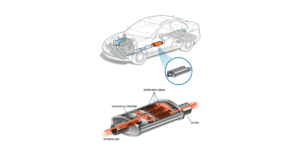 A muffler is one of those automotive parts that most drivers rarely think about until something goes wrong. Yet it’s an essential component that keeps your vehicle quiet, comfortable, and environmentally friendly.
In this complete guide, we’ll cover everything you need to know about car mufflers, including how they work, why they’re important, common problems, replacement costs, maintenance tips, and how to choose the best one.
What Is a Muffler?
A muffler is a metal component installed as part of your car’s exhaust system. Its primary purpose is to reduce the loud noise created by engine combustion before exhaust gases leave the tailpipe.
Without a muffler, nearly every gasoline-powered vehicle would sound similar to a race car. Besides reducing noise, modern mufflers also help:
- Improve driving comfort
- Direct exhaust gases safely
- Support proper exhaust flow
- Reduce certain engine vibrations
- Enhance the overall driving experience
Where Is the Muffler Located?
The muffler is usually located:
- Under the rear portion of the vehicle
- Connected to the exhaust pipe
- Just before the tailpipe
Most passenger cars have one muffler, while performance cars, SUVs, and trucks may use dual mufflers.
Main Parts of a Muffler
Although mufflers look like simple metal boxes, they’re carefully engineered inside. They typically include:
- Steel outer shell
- Perforated tubes
- Internal chambers
- Baffles
- Sound-absorbing materials
- Welded connections
These components work together to reduce sound without severely restricting exhaust flow.
How Does a Muffler Work?
Every time an engine fires, it creates high-pressure exhaust pulses. Without control, those pulses become extremely loud. The muffler works by:
- Receiving exhaust gases.
- Sending gases through multiple chambers.
- Reflecting sound waves.
- Canceling noise frequencies.
- Allowing quieter gases to exit through the tailpipe.
Think of it as a sophisticated sound-canceling device for your car.
Why Is a Muffler Important?
A healthy muffler provides several benefits.
1. Noise Reduction
Its biggest job is making your vehicle much quieter.
Without it, engine noise becomes overwhelming.
2. Better Driving Comfort
Long trips become far more enjoyable when excessive exhaust noise is minimized.
3. Safer Exhaust Flow
The muffler directs hot exhaust gases away from passengers.
4. Legal Compliance
Many countries and states have maximum vehicle noise limits.
A damaged muffler may result in fines or failed inspections.
5. Environmental Benefits
Although the catalytic converter handles emissions, the muffler helps maintain proper exhaust system performance.
Muffler vs Resonator
Many people confuse these two parts.
| Feature | Muffler | Resonator |
| Main purpose | Reduce exhaust noise | Fine-tune exhaust sound |
| Noise reduction | Excellent | Moderate |
| Controls tone | Somewhat | Yes |
| Location | Near the rear of the vehicle | Before muffler |
| Replacement frequency | Moderate | Less common |
Both often work together for the quietest ride.
Common Types of Mufflers
Chambered Muffler
- Excellent durability
- Deep exhaust tone
- Popular among muscle cars
Best For
Performance enthusiasts.
Turbo Muffler
- Quiet operation
- Good airflow
- Affordable
Best For
Daily drivers.
Straight-Through Muffler
- Maximum airflow
- Louder exhaust
- Better performance
Best For
Sports cars.
Glasspack Muffler
- Very loud
- Lightweight
- Minimal restriction
Best For
Classic hot rods.
OEM Muffler
- Factory quiet
- Comfortable
- Reliable
Best For
Most everyday vehicles.
Signs of a Bad Muffler
Watch for these symptoms:
Loud Exhaust
The most common warning sign.
Rust
Surface rust is normal.
Large holes are not.
Rattling
Loose internal baffles create rattling noises.
Reduced Fuel Economy
Exhaust restrictions can slightly reduce efficiency.
Strange Smells
Leaks may allow exhaust gases to escape underneath the vehicle.
Visible Holes
Any crack or hole usually means replacement.
What Causes Mufflers to Fail?
Several factors shorten muffler life.
Rust
Road salt is the biggest enemy.
Moisture
Short trips leave condensation inside.
Road Debris
Speed bumps and rocks may dent the housing.
Age
Most mufflers eventually wear out after years of use.
Poor Installation
Loose mounts increase vibration.
Can You Drive with a Bad Muffler?
Technically yes.
Should you?
Usually no.
Driving with a damaged muffler can lead to:
- Excessive noise
- Exhaust leaks
- Failed inspections
- Reduced comfort
- Potential carbon monoxide risks if leaks enter the cabin
Prompt repair is recommended.
Average Muffler Lifespan
Most quality mufflers last:
- 8–15 years
- 80,000–150,000 miles
Driving conditions greatly affect longevity.
Muffler Replacement Cost
Typical estimates:
| Vehicle Type | Average Cost |
| Small car | $150–$350 |
| Sedan | $200–$500 |
| SUV | $250–$650 |
| Pickup truck | $300–$700 |
| Performance vehicle | $500–$1,200+ |
Costs vary depending on labor, material, and vehicle model.
Can You Repair a Muffler?
Sometimes.
Minor issues may be repaired using:
- Exhaust clamps
- Welding
- Patch kits
However, severe rust or internal damage usually requires replacement.
Buyer’s Guide: How to Choose the Best Muffler
Buying the right muffler isn’t just about finding the cheapest option. The best choice depends on your vehicle, driving style, and expectations.
1. Choose the Correct Fit
Always buy a muffler designed for your specific make and model or one that matches your exhaust pipe size.
2. Decide on the Sound Level
Ask yourself:
- Do you want a quiet factory ride?
- A deeper sporty tone?
- Maximum performance sound?
OEM mufflers are ideal for comfort, while performance mufflers create a more aggressive exhaust note.
3. Check the Material
Different materials affect durability:
- Aluminized Steel: Affordable and common, but more prone to rust in wet or snowy climates.
- Stainless Steel: Excellent corrosion resistance and longer lifespan.
- 409 Stainless Steel: Good balance between cost and durability.
- 304 Stainless Steel: Premium option with outstanding rust resistance.
If you live in an area with heavy rain or road salt, stainless steel is usually worth the extra investment.
4. Consider Your Driving Needs
- Daily commuting: OEM or turbo muffler.
- Towing: Heavy-duty muffler with durable construction.
- Performance driving: Straight-through or chambered muffler.
- Quiet family vehicle: Factory-style replacement.
5. Verify Warranty Coverage
Many reputable mufflers include warranties ranging from one year to limited lifetime coverage. A longer warranty can provide extra peace of mind.
6. Ensure Compatibility
Double check:
- Pipe diameter
- Mounting points
- Overall length
- Emissions regulations in your area
Installing the wrong muffler can cause fitment issues or affect exhaust performance.
7. Balance Price and Value
The cheapest muffler isn’t always the best deal. Spending a little more on a well-built, corrosion-resistant model often saves money over time by lasting longer and reducing the need for future repairs.
Maintenance Tips
A little care can extend the life of your muffler:
- Inspect the exhaust system regularly for rust or damage.
- Rinse the underside of your vehicle after driving on salted roads.
- Address exhaust leaks promptly.
- Replace worn exhaust hangers to reduce vibration.
- Avoid frequent short trips when possible, as they can increase moisture buildup.
- Have unusual exhaust noises checked by a qualified mechanic.
Read More: How Much Oil Should Be On the Dipstick
FAQs: What Is A Muffler In A Car
What does a muffler do in a car?
A muffler reduces engine exhaust noise by directing sound waves through specially designed chambers while allowing exhaust gases to exit safely.
Is a muffler the same as an exhaust?
No. The muffler is one part of the complete exhaust system, which also includes components like the exhaust manifold, catalytic converter, resonator (on some vehicles), pipes, and tailpipe.
Can I drive without a muffler?
While the vehicle may still run, driving without a muffler is extremely noisy and may violate local noise regulations. It can also make the vehicle less comfortable and potentially expose occupants to exhaust leaks if other parts of the system are damaged.
How long does a muffler last?
Most mufflers last between 8 and 15 years, depending on driving conditions, climate, and the material used.
What causes a muffler to rust?
Moisture, road salt, humidity, and repeated heating and cooling cycles can all contribute to rust over time.
Does a bad muffler affect fuel economy?
In most cases, the impact is minimal. However, a severely damaged or restricted muffler can reduce exhaust efficiency and slightly affect engine performance and fuel economy.
Can a muffler be repaired instead of replaced?
Minor cracks or small leaks may be repaired with welding or patch kits. If the muffler has extensive rust or internal damage, replacement is usually the better long-term solution.
How much does muffler replacement cost?
Depending on the vehicle and the type of muffler, replacement typically ranges from $150 to $700, with high-performance systems costing more.
Will a performance muffler increase horsepower?
Some performance mufflers can slightly improve exhaust flow, which may provide a modest increase in horsepower. The gains are generally small on stock vehicles unless combined with other performance upgrades.
What is the difference between a muffler and a resonator?
A muffler primarily reduces exhaust volume, while a resonator fine-tunes the sound and eliminates specific frequencies. Many vehicles use both components together for optimal noise control.
Final Thoughts
The muffler may not be the flashiest part of your car, but it’s one of the most important for comfort, safety, and everyday driving. It keeps engine noise under control, helps direct exhaust gases safely, and contributes to a more pleasant driving experience.
Whether you’re replacing a worn-out muffler or simply learning how your vehicle works, understanding this component can help you make informed maintenance decisions. Choosing the right muffler and taking care of your exhaust system can keep your car running quietly and reliably for many years.