Checking your engine oil sounds like one of those old-school maintenance tasks that many drivers ignore until the oil warning light suddenly appears. I’ve been guilty of that myself. After years of owning different vehicles, I’ve learned that reading a dipstick properly can save you from expensive engine repairs.
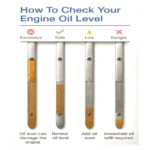
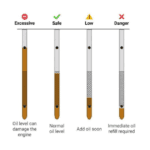
The good news is that checking oil levels is incredibly easy once you understand what you’re looking at. So, how much oil should be on the dipstick?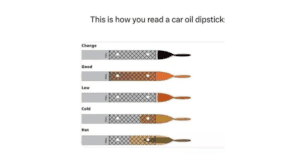 Ideally, the oil level should sit between the MIN and MAX marks, preferably close to the upper mark without exceeding it. If the oil is below the minimum line, it’s time to add oil. If it rises above the maximum mark, you may have overfilled the engine.
Let’s dive deeper into how this simple tool works and why it matters more than many people realize.
Why Engine Oil Level Matters
Engine oil is the lifeblood of your vehicle. It lubricates moving components, reduces friction, helps regulate temperature, and prevents premature wear. Driving with too little oil can lead to:
- Increased engine friction
- Overheating
- Poor fuel efficiency
- Serious engine damage
- Complete engine failure in severe cases
On the other hand, too much oil can be equally problematic. Overfilled oil may cause:
- Foaming and aeration
- Increased crankshaft resistance
- Oil leaks
- Catalytic converter damage
- Higher oil pressure issues
This is why knowing exactly where the oil should sit on the dipstick is essential.
Understanding Dipstick Markings
Most dipsticks have two indicators:
- MIN (Low)
- MAX (Full)
Some vehicles use:
- Crosshatched areas
- Holes or dots
- Letters like L and F
Regardless of the design, the principle remains the same.
Ideal Reading
The best oil level is generally:
75% to 100% of the way between the minimum and maximum marks.
A reading near the top line gives your engine sufficient lubrication reserve without risking overfilling.
Comparison Table: Dipstick Oil Levels and What They Mean
| Dipstick Reading | Meaning | Action Needed |
| Below MIN | Oil dangerously low | Add oil immediately |
| Just Above MIN | Acceptable but low | Top off soon |
| Middle of Range | Good level | No action required |
| Near MAX | Ideal level | Perfect |
| Above MAX | Overfilled | Remove excess oil |
My Personal Experience Checking Oil Levels
I still remember checking the oil on my first used sedan. The dipstick looked confusing because oil was smeared all over it. I thought the engine was full, but after wiping and checking again, I realized it was nearly a quart low.
Since then, I’ve developed a simple habit:
- Park on level ground.
- Let the engine cool for several minutes.
- Pull the dipstick.
- Wipe it clean.
- Reinsert fully.
- Remove it again for the actual reading.
This process takes less than two minutes and provides peace of mind.
How to Properly Check Engine Oil
Step 1: Park on a Flat Surface
An uneven surface can give inaccurate readings.
Step 2: Turn Off the Engine
Wait about 5–10 minutes after shutting off the engine so the oil can drain back into the oil pan.
Step 3: Remove the Dipstick
Locate the dipstick, usually marked with a brightly colored handle.
Step 4: Wipe It Clean
Use a clean rag or paper towel.
Step 5: Insert and Remove Again
This second reading is the accurate one.
Step 6: Examine the Oil Level
Look for the oil line relative to the minimum and maximum marks.
Comparison Table: Low Oil vs Overfilled Oil
| Condition | Symptoms | Risks |
| Low Oil | Engine noise, warning light, overheating | Severe engine wear |
| Correct Oil Level | Smooth operation | Maximum engine protection |
| Too Much Oil | Smoke, leaks, foaming | Seal damage and engine issues |
What If the Oil Is Below the Minimum Mark?
If the oil sits below the minimum line, add oil gradually. A common mistake is pouring in too much at once.
Instead:
- Add small amounts.
- Wait a few minutes.
- Recheck the dipstick.
Many vehicles only need half a quart to move from low to full.
Always consult your owner’s manual for exact capacities.
What If the Oil Is Above the Maximum Mark?
This is surprisingly common after DIY oil changes. Too much oil can cause the crankshaft to whip the oil into foam, reducing lubrication effectiveness. Possible symptoms include:
- Burning oil smell
- Blue exhaust smoke
- Oil leaks
- Check engine light
If significantly overfilled, removing excess oil is recommended before driving extensively.
Should Oil Be Exactly at the MAX Line?
Not necessarily. Anywhere between the marks is technically acceptable. However, many mechanics prefer the oil level to sit slightly below the MAX line. This allows for:
- Thermal expansion
- More accurate readings
- Reduced risk of accidental overfilling
Personally, I aim for about 90% of the full mark.
How Often Should You Check the Dipstick?
For most vehicles:
- Once per month
- Before long road trips
- After oil changes
- If your vehicle consumes oil
Older cars may require weekly checks. Some modern engines burn oil naturally, especially turbocharged models. Checking regularly can prevent costly surprises.
Signs Your Vehicle May Be Low on Oil
Sometimes the dipstick isn’t the first clue. Watch for:
Engine Ticking
Metal components may not be receiving enough lubrication.
Oil Warning Light
This should never be ignored.
Burning Smell
Low oil can increase engine temperatures.
Poor Performance
Increased friction can affect engine efficiency.
Smoke From Exhaust
Oil-related issues may eventually produce visible smoke.
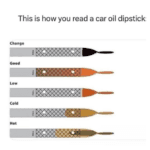
Why Oil Appearance Also Matters
When checking the dipstick, don’t just look at the level.
Observe the oil itself.
Healthy Oil
- Amber or light brown
- Smooth consistency
Dirty Oil
- Very dark or black
- Thick texture
Milky Oil
Could indicate coolant contamination and should be inspected immediately.
Common Dipstick Reading Mistakes
Checking Immediately After Turning Off the Engine
Oil hasn’t settled yet.
Reading Oil on an Angle
Always hold the dipstick horizontally.
Ignoring Both Sides
Sometimes one side provides a clearer reading.
Overfilling During Top-Off
Add oil slowly and recheck often.
Buyer’s Guide: Choosing the Right Engine Oil and Maintenance Approach
Selecting the proper oil and maintaining correct levels go hand in hand.
1. Follow Manufacturer Specifications
Always use the viscosity recommended by your vehicle manufacturer, such as:
- 0W-20
- 5W-30
- 10W-40
Using the wrong oil can affect lubrication and fuel economy.
2. Consider Synthetic Oil
Benefits include:
- Better cold-weather performance
- Longer service intervals
- Improved engine protection
Though more expensive, synthetic oils often provide better long-term value.
3. Keep Basic Tools in Your Vehicle
Helpful items include:
- Funnel
- Paper towels
- Spare quart of oil
- Gloves
These simple tools make checking and topping off oil much easier.
4. Replace the Oil Filter Regularly
Fresh oil paired with an old filter reduces effectiveness. Most oil changes should include a new filter.
5. Monitor Oil Consumption
Some engines naturally consume oil between services.
Checking the dipstick regularly helps identify unusual consumption before it becomes a major issue.
Can You Drive With Oil Slightly Below Full?
Yes.
As long as the oil remains above the minimum mark, the engine should operate normally.
However, repeatedly allowing oil levels to remain low can increase wear over time.
Think of the dipstick’s safe range as a buffer zone. The closer you stay to the full mark, the more protection your engine generally has.
Does Engine Temperature Affect Dipstick Readings?
Yes. Some manufacturers recommend checking:
- Warm engine
- Engine off for several minutes
Others specify checking when cold.
The owner’s manual always takes priority.
Consistency is important. Check the oil under similar conditions each time for more reliable readings.
The Cost of Ignoring Oil Levels
Engine replacement costs can easily reach thousands of dollars.
In contrast, spending two minutes checking the dipstick each month costs virtually nothing.
I’ve seen vehicles develop serious issues simply because owners assumed modern cars no longer needed manual oil checks.
Even vehicles equipped with electronic oil monitors can benefit from occasional dipstick inspections.
Read More: How To Check Your Engine Oil Level
FAQs: How Much Oil Should Be On The Dipstick
1. Should the dipstick be completely covered in oil?
No. The oil should only reach the designated measuring area between the MIN and MAX marks.
2. Is it okay if the oil is slightly above the full line?
A tiny amount may not cause immediate issues, but significant overfilling should be corrected.
3. How much oil is between the MIN and MAX marks?
In many vehicles, the difference equals approximately one quart (about one liter), though this varies by model.
4. Can low oil damage the engine immediately?
Severely low oil can cause rapid engine damage, especially during high-speed driving or heavy loads.
5. Why does my dipstick show different readings each time?
Possible reasons include:
- Checking on uneven ground
- Oil not fully settled
- Smearing on the dipstick
- Different engine temperatures
6. How long should I wait before checking the oil after driving?
Usually around 5–10 minutes after shutting off the engine.
7. Is dark oil always bad?
Not necessarily. Oil naturally darkens over time. However, thick, gritty, or milky oil may indicate problems.
8. Should I check oil when the engine is hot or cold?
Follow your vehicle manufacturer’s recommendation, but consistency is key for accurate readings.
9. How often should I add oil?
Only when the level drops toward the minimum mark or according to your vehicle’s oil consumption pattern.
10. Can modern cars still use dipsticks?
Yes. Although some newer models use electronic monitoring systems, many vehicles still include traditional dipsticks for manual verification.
Final Thoughts
The correct oil level on a dipstick should generally be between the minimum and maximum indicators, ideally near the full mark without exceeding it.
Checking oil regularly is one of the easiest and most effective ways to extend engine life and avoid expensive repairs. A quick dipstick inspection can reveal:
- Low oil levels
- Overfilling issues
- Oil contamination
- Potential engine problems
It’s a simple habit that pays off enormously in the long run.