If you’ve ever seen the check engine light come on and heard a mechanic mention an “EGR valve,” you’re not alone. For many drivers, the term sounds technical and confusing at first.
I remember the first time I heard about it while dealing with rough idling in my old diesel sedan. At the time, I assumed it was some expensive engine component that would completely drain my wallet.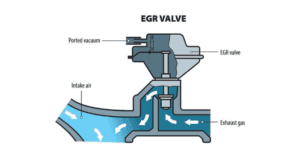 Thankfully, after learning more about it, I realized the EGR valve is actually a very important yet often misunderstood part of modern vehicles. The EGR valve, short for Exhaust Gas Recirculation valve, is a component designed to reduce harmful emissions produced by your vehicle’s engine.
It works by redirecting a small portion of exhaust gases back into the engine’s combustion chamber. This lowers combustion temperatures and reduces nitrogen oxide (NOx) emissions.
In simple words, the EGR valve helps your engine run cleaner and more environmentally friendly. But here’s the thing most people don’t realize:
A faulty EGR valve can cause rough idling, poor fuel economy, power loss, knocking sounds, engine hesitation, and even failed emissions tests.
That’s why understanding how this small component works can save you money, improve engine life, and help you avoid expensive repairs.
Why the EGR Valve Matters
Modern engines are designed with strict emission regulations in mind. Without an EGR system, many cars and trucks would release much higher levels of harmful pollutants. The EGR valve plays a critical role in:
- Reducing emissions
- Improving engine efficiency
- Preventing excessive combustion temperatures
- Lowering engine knock
- Supporting cleaner engine operation
When functioning properly, you may never even notice it. But when it starts clogging with carbon deposits or stops opening and closing correctly, your car quickly lets you know something is wrong.
From personal experience, a failing EGR valve can mimic several other engine problems. My vehicle started hesitating during acceleration and occasionally stalled at traffic lights. At first, I suspected spark plugs or fuel injectors.
But after diagnostic testing, the culprit was a carbon-clogged EGR valve. Cleaning it restored normal performance almost immediately. That experience made me appreciate how important this often-overlooked part really is.
How an EGR Valve Works
To understand the EGR valve, you first need to understand combustion temperatures. Inside your engine, fuel and air mix together and ignite. This controlled explosion creates power.
However, extremely high combustion temperatures also produce nitrogen oxides (NOx), which contribute to air pollution and smog. The EGR valve helps reduce these temperatures by sending a controlled amount of exhaust gas back into the intake manifold.
Since exhaust gases contain very little oxygen, they lower the oxygen concentration inside the combustion chamber. This reduces peak combustion temperatures. The process works like this:
- Exhaust gases leave the engine.
- The EGR valve opens under certain driving conditions.
- A portion of exhaust gas is redirected into the intake system.
- The gas mixes with fresh air and fuel.
- Combustion temperatures decrease.
- NOx emissions are reduced.
The valve is usually controlled electronically by the vehicle’s engine control unit (ECU). Older cars may use vacuum-operated EGR valves, while modern vehicles commonly use electronic EGR systems for greater precision.
Types of EGR Valves
Not all EGR valves are the same. Depending on the vehicle and engine type, different systems are used.
1. Vacuum-Controlled EGR Valve
This older design relies on engine vacuum pressure to open and close the valve.
Pros
- Simpler design
- Lower cost
- Easier to repair
Cons
- Less precise
- More prone to vacuum leaks
- Reduced efficiency compared to modern systems
2. Electronic EGR Valve
This modern design uses sensors and electronic controls.
Pros
- Highly accurate
- Better emissions control
- Improved fuel economy
- More reliable operation
Cons
- More expensive
- Requires advanced diagnostics
- Higher replacement costs
3. Digital EGR Valve
A more advanced version with multiple electronically controlled openings.
Pros
- Excellent emissions management
- Better performance optimization
- Improved engine efficiency
Cons
- Complex system
- Expensive repairs
4. EGR Cooler Systems
Common in diesel engines. These systems cool exhaust gases before recirculation.
Pros
- Lower combustion temperatures
- Better diesel efficiency
- Reduced emissions
Cons
- Carbon buildup issues
- Cooler leaks possible
EGR Valve Comparison Table
| EGR Valve Type | Best For | Main Advantage | Main Disadvantage | Typical Vehicles |
| Vacuum-Controlled | Older cars | Affordable and simple | Less precise | Older gasoline vehicles |
| Electronic EGR | Modern daily drivers | Accurate emissions control | Higher cost | Modern gasoline engines |
| Digital EGR | Performance-focused systems | Advanced efficiency | Complex repairs | Newer premium vehicles |
| EGR Cooler System | Diesel engines | Lower diesel emissions | Carbon clogging | Trucks and diesel SUVs |
Common Symptoms of a Bad EGR Valve
One reason EGR valve problems are frustrating is that the symptoms overlap with many other engine issues. Here are the most common warning signs.
1. Rough Idling
If the valve gets stuck open, too much exhaust gas enters the engine at idle. This causes:
- Shaking
- Vibrations
- Unstable RPMs
- Occasional stalling
This was the first symptom I noticed in my own car.
2. Check Engine Light
A failing EGR valve often triggers the check engine light. Common trouble codes include:
- P0401
- P0402
- P0403
- P0404
- P0405
A diagnostic scanner can identify these quickly.
3. Poor Fuel Economy
A malfunctioning EGR system disrupts efficient combustion. This can lead to:
- Increased fuel consumption
- Reduced mileage
- More frequent refueling
4. Engine Knocking
Without proper exhaust gas recirculation, combustion temperatures increase. This can cause:
- Pinging
- Knocking sounds
- Premature ignition
Ignoring knocking can damage engine components over time.
5. Failed Emissions Test
One of the most common reasons vehicles fail emissions inspections is an EGR system malfunction. A clogged or faulty valve significantly increases NOx emissions.
6. Reduced Engine Performance
You may notice:
- Weak acceleration
- Hesitation
- Sluggish throttle response
- Reduced power under load
What Causes EGR Valve Failure?
EGR valves operate in extremely dirty conditions. Over time, carbon deposits accumulate inside the valve and passages. This is the number one cause of EGR problems. Other causes include:
- Oil contamination
- Faulty sensors
- Electrical issues
- Vacuum leaks
- Excessive soot buildup
- Poor fuel quality
- Infrequent highway driving
Short trips especially contribute to carbon buildup because the engine never gets hot enough to burn deposits away effectively.
Can You Drive With a Bad EGR Valve?
Technically, yes, but it’s not recommended. A bad EGR valve may not stop your car immediately, but continuing to drive can lead to:
- Reduced fuel economy
- Increased emissions
- Engine knocking
- Catalytic converter damage
- Reduced engine lifespan
In severe cases, stalling and hesitation can create safety concerns in traffic. If symptoms appear, it’s best to diagnose and fix the issue early.
Cleaning vs Replacing an EGR Valve
This is one of the most common questions people ask.
When Cleaning Works
Cleaning may solve the problem if:
- Carbon buildup is minor
- Valve electronics still function
- Valve movement is not damaged
- No severe corrosion exists
Many mechanics use:
- Carburetor cleaner
- EGR cleaner spray
- Wire brushes
- Intake cleaning tools
I personally cleaned my own EGR valve using EGR-safe cleaner and basic tools. The process took under an hour and saved a significant amount compared to replacement. However, cleaning doesn’t always work.
When Replacement Is Necessary
Replacement is usually required if:
- The valve is electronically defective
- Internal motors fail
- Sensors stop working
- The valve is cracked
- Severe sticking persists
- Electrical codes remain after cleaning
Average EGR Valve Replacement Cost
Costs vary widely depending on vehicle make and engine type.
Typical Price Range
| Vehicle Type | Parts Cost | Labor Cost | Total Estimated Cost |
| Economy Car | $70–$180 | $80–$200 | $150–$380 |
| Mid-Size Sedan | $120–$300 | $100–$250 | $220–$550 |
| Luxury Vehicle | $250–$600 | $150–$400 | $400–$1000 |
| Diesel Truck | $300–$900 | $200–$600 | $500–$1500 |
Luxury vehicles and diesel trucks often have more complex EGR systems with coolers and additional sensors.
Is an Aftermarket EGR Valve Worth It?
This depends heavily on the brand.
My Experience With Aftermarket Parts
I’ve used both OEM and aftermarket EGR valves. Cheap, no-name aftermarket valves can create:
- Incorrect airflow readings
- Poor fitment
- Check engine light issues
- Premature failure
However, reputable aftermarket brands can provide excellent value.
Pros of Aftermarket EGR Valves
- Lower cost
- Wider availability
- Good quality from trusted brands
Cons
- Quality inconsistency
- Compatibility issues
- Potential durability concerns
Personally, I recommend OEM or high-quality aftermarket brands only. Trying to save too much money on emissions components often backfires later.
Best EGR Valve Brands
Several manufacturers consistently deliver reliable EGR valves.
1. Delphi
Known for OEM-level quality and reliable electronics.
Best For
- Daily drivers
- Long-term reliability
2. Dorman
Popular aftermarket brand with wide compatibility.
Best For
- Budget-conscious repairs
- Older vehicles
3. ACDelco
Excellent option for GM vehicles.
Best For
- OEM replacements
- Factory-like fitment
4. Pierburg
Highly respected in European vehicles.
Best For
- BMW
- Mercedes-Benz
- Volkswagen
5. Motorcraft
Strong reputation for Ford vehicles.
Best For
- Ford trucks
- Ford SUVs
- OEM-level quality
Buyer’s Guide: How to Choose the Right EGR Valve
Choosing the correct EGR valve matters more than many people realize. An incorrect or low-quality valve can trigger engine codes immediately. Here’s what I recommend checking before buying.
1. Vehicle Compatibility
Always verify:
- Make
- Model
- Engine size
- Year
- VIN compatibility
Even small engine variations can use different EGR systems.
2. OEM vs Aftermarket
Choose OEM If:
- You want factory reliability
- Your vehicle is newer
- You plan to keep the car long-term
- You’ve had previous aftermarket issues
Choose Aftermarket If:
- You’re on a budget
- The brand is reputable
- Reviews confirm compatibility
3. Material Quality
Look for:
- Heat-resistant metal construction
- Corrosion resistance
- Durable seals and gaskets
Cheap plastic components often fail early.
4. Warranty Coverage
Good warranties show manufacturer confidence. A solid EGR valve should include:
- At least 1-year warranty
- Replacement guarantee
- Technical support
5. Ease of Installation
Some EGR valves are easy DIY jobs. Others require:
- ECU programming
- Intake removal
- Specialized tools
Always research installation complexity beforehand.
6. Emissions Compliance
Ensure the valve meets local emissions regulations. This is especially important in regions with strict inspection laws.
EGR Delete: Is It Worth It?
Some performance enthusiasts remove or “delete” the EGR system. This is controversial.
Claimed Benefits
- Reduced carbon buildup
- Slight performance gains
- Cleaner intake manifold
Serious Downsides
- Illegal in many areas
- Increased emissions
- Failed inspections
- Potential ECU problems
- Warranty voiding
For normal street vehicles, I do not recommend EGR deletes. The long-term drawbacks usually outweigh the minor benefits.
Diesel vs Gasoline EGR Systems
Diesel engines rely more heavily on EGR systems because they naturally produce higher NOx emissions.
Diesel EGR Systems
Pros
- Major emissions reduction
- Essential for compliance
- Helps modern diesel technology
Cons
- Heavy soot buildup
- Frequent cleaning needs
- More expensive repairs
Gasoline EGR Systems
Pros
- Simpler operation
- Less soot buildup
- Lower maintenance
Cons
- Can still clog over time
- Electronic failures possible
Diesel owners typically experience more EGR-related maintenance overall.
Signs Your EGR Valve Needs Cleaning
Not every EGR issue requires replacement. Here are common signs that cleaning may help:
- Minor hesitation
- Light rough idle
- Mild fuel economy loss
- Carbon buildup visible
- No severe electrical codes
- Valve movement still functional
Routine cleaning every 40,000–60,000 miles can extend the lifespan significantly.
How Long Does an EGR Valve Last?
Average lifespan depends on:
- Driving habits
- Fuel quality
- Engine type
- Maintenance routine
Typical lifespan ranges:
- 50,000 to 150,000 miles
Diesel systems often require earlier servicing because of soot accumulation. Highway driving usually helps prolong EGR valve life by keeping temperatures high enough to reduce deposits.
DIY EGR Valve Cleaning: My Honest Thoughts
I’ll be honest, EGR cleaning is one of the more satisfying DIY maintenance jobs if you’re comfortable using basic tools.
It’s messy, but not overly complicated on many vehicles.
The first time I cleaned one, I expected dramatic mechanical complexity.
Instead, most of the work involved removing carbon sludge.
After reinstalling the valve:
- Idle improved instantly
- Hesitation disappeared
- Fuel economy slightly improved
- The check engine light stayed off
That said, some modern vehicles place the EGR valve in difficult locations. If access requires major disassembly, professional service may be worth the cost.
Preventing EGR Valve Problems
Good maintenance habits can greatly reduce EGR issues.
Helpful Prevention Tips
1. Use Quality Fuel
Better fuel creates fewer deposits.
2. Drive at Highway Speeds Occasionally
Longer drives help burn carbon buildup.
3. Follow Oil Change Intervals
Dirty oil increases contamination.
4. Clean Intake Systems Periodically
Carbon buildup spreads throughout the intake system.
5. Address Check Engine Lights Early
Small issues become expensive repairs when ignored.
Environmental Importance of the EGR Valve
Many people focus only on repair costs and forget the environmental side. EGR systems significantly reduce NOx emissions. Nitrogen oxides contribute to:
- Smog
- Respiratory problems
- Acid rain
- Air pollution
Without EGR technology, modern engines would struggle to meet emissions standards. While enthusiasts sometimes criticize EGR systems for maintenance concerns, they play an important role in cleaner transportation.
Most Common EGR Valve Myths
Myth 1: The EGR Valve Reduces Engine Power Dramatically
In properly functioning systems, performance loss is minimal. Modern ECUs carefully control operation.
Myth 2: EGR Deletes Always Improve Reliability
Sometimes they create:
- ECU problems
- Emissions failures
- Turbo issues
- Legal complications
Myth 3: EGR Valves Never Need Maintenance
Carbon buildup is normal over time. Periodic inspection is beneficial.
Myth 4: Every Check Engine Light Means Replacement
Often, cleaning solves the problem.
Read More: Second Hand Ford Spares: Honest Buyer’s Guide
FAQs: What Is EGR Valve
What does an EGR valve do?
An EGR valve recirculates a portion of exhaust gases back into the engine to reduce combustion temperatures and lower harmful NOx emissions.
What happens when an EGR valve goes bad?
A bad EGR valve can cause rough idle, stalling, poor acceleration, increased fuel consumption, engine knocking, and check engine lights.
Can I clean my EGR valve instead of replacing it?
Yes. If carbon buildup is the main issue and the electronics still work properly, cleaning may restore function.
How much does an EGR valve replacement cost?
Replacement costs typically range from $150 to $1000+, depending on the vehicle and engine type.
How long does an EGR valve last?
Most EGR valves last between 50,000 and 150,000 miles,s depending on maintenance and driving conditions.
Is it safe to drive with a faulty EGR valve?
You may still be able to drive, but doing so can increase emissions, reduce efficiency, and potentially damage engine components.
Can a bad EGR valve cause overheating?
Indirectly, yes. Improper combustion control can increase engine temperatures and contribute to overheating issues.
Does removing the EGR valve improve performance?
Any performance gains are usually minor, while legal, environmental, and reliability risks can be significant.
What are common EGR valve trouble codes?
Common codes include:
- P0401
- P0402
- P0403
- P0404
- P0405
Is EGR maintenance necessary?
Yes. Periodic cleaning and inspection help prevent carbon buildup and extend system lifespan.
Conclusion
The EGR valve is one of those components most drivers never think about until something goes wrong. But once you understand its role, the system becomes far less intimidating.
Whether you’re troubleshooting rough idling, researching emissions systems, or deciding between cleaning and replacement, understanding the EGR valve gives you a major advantage.
From my own experience, early maintenance and quality replacement parts make a huge difference. Ignoringe EGR problems for too long, and they often snowball into bigger engine issues.
Take care of the system properly, and it can quietly do its job for years while helping your vehicle run cleaner and smoother.