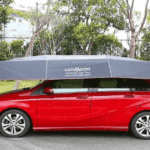
If you have ever opened your car door on a hot summer afternoon and felt like you stepped into an oven, you already understand why car sunshades matter. I used to think sunshades were just cheap accessories people tossed onto their dashboards for decoration.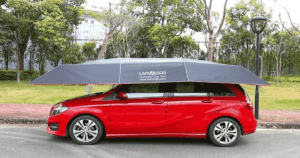 After years of driving in intense heat and testing different styles, I realized they actually make a noticeable difference. A good car sunshade can lower cabin temperatures, protect your dashboard from fading, reduce UV exposure, and even make your air conditioner work less.
The science behind them is surprisingly simple, but the results can be impressive. In this guide, I’ll explain exactly how car sunshades work, which types are most effective, what features matter most, and whether they are truly worth buying.
Quick Answer: How Do Car Sunshades Work?
Car sunshades work by reflecting, absorbing, or blocking sunlight and ultraviolet (UV) rays before heat enters your vehicle. Most windshield sunshades use reflective materials like aluminum-coated fabric or polyester to bounce solar radiation away from the car.
By reducing direct sunlight entering through the glass, the interior stays cooler and protected from heat damage.
Why Cars Get So Hot in the Sun
Before understanding sunshades, it helps to know why parked cars heat up so quickly. Your car acts like a greenhouse.
Sunlight passes through the windows easily. Once inside, that light converts into heat energy. The heat becomes trapped because it cannot escape through the glass as efficiently.
This process causes interior temperatures to rise rapidly. On a warm day:
- Outside temperature: 85°F (29°C)
- Inside vehicle temperature: 120°F–140°F (49°C–60°C)
Dark dashboards, leather seats, and black interiors absorb even more heat. That is where sunshades help.
The Science Behind Car Sunshades
A car sunshade mainly works in three ways:
1. Reflecting Solar Radiation
Most sunshades use reflective surfaces that bounce sunlight away from the windshield. Think of it like wearing a white shirt on a sunny day instead of a black one.
Reflective materials prevent:
- Infrared heat
- UV rays
- Direct sunlight
from entering the cabin. The more sunlight reflected outward, the cooler the interior stays.
2. Blocking UV Rays
Ultraviolet rays damage:
- Dashboards
- Steering wheels
- Upholstery
- Leather seats
- Electronics
Sunshades reduce UV exposure significantly, helping prevent:
- Cracking
- Fading
- Warping
- Drying
This is especially helpful in older vehicles or cars parked outside daily.
3. Reducing Heat Absorption
Without protection, your dashboard absorbs sunlight and radiates heat throughout the car.
Sunshades create a barrier between the sun and your interior surfaces.
Less absorbed heat means:
- Cooler seats
- Cooler steering wheel
- Less AC strain
- More comfortable driving
Types of Car Sunshades
Not all car sunshades work the same way. Some focus on heat reflection while others prioritize privacy or UV protection.
Comparison Table: Different Types of Car Sunshades
| Type of Sunshade | Best For | Pros | Cons |
| Accordion Fold Shade | Windshield heat reduction | Affordable, easy to use | Can wear out over time |
| Roll-Up Sunshade | Compact storage | Lightweight | Less rigid coverage |
| Custom-Fit Reflective Shade | Maximum cooling | Excellent fit and insulation | More expensive |
| Mesh Side Window Shade | Passenger comfort | Blocks glare, protects kids | Limited heat reduction |
| Magnetic Window Shade | Quick installation | Removable and reusable | Not compatible with all cars |
| Retractable Built-In Shade | Luxury convenience | Clean appearance | Costly option |
My Personal Experience Using Car Sunshades
I honestly underestimated how useful a sunshade could be until I started parking outdoors regularly.
The first noticeable difference was the steering wheel temperature. Without a shade, it became almost untouchable in direct sunlight. With a reflective windshield shade, the cabin still got warm, but it was nowhere near unbearable.
I also noticed:
- Faster AC cooling
- Less dashboard fading
- Reduced glare
- Better comfort for passengers
The biggest surprise was how much longer my air conditioning system seemed to hold up during summer use.
Do Car Sunshades Actually Keep Cars Cool?
Yes, but expectations matter. A sunshade will not make your car “cold” in 100°F weather. However, it can reduce interior temperatures by 10–30°F depending on:
- Shade quality
- Window coverage
- Vehicle size
- Sun intensity
- Parking direction
That difference feels massive when entering the car.
What Materials Work Best?
The effectiveness of a sunshade depends heavily on its material.
Common Sunshade Materials
Aluminum Foil Reflective Layers
Best for reflecting sunlight.
Pros:
- Excellent heat reflection
- Lightweight
- Affordable
Cons:
- Can wrinkle easily
Polyester Fabric
Common in foldable shades.
Pros:
- Durable
- Flexible
- Easy to store
Cons:
- Slightly less reflective
Foam-Core Insulation
Found in premium sunshades.
Pros:
- Better insulation
- Stronger structure
Cons:
- Bulkier
Mesh Fabric
Mostly used for side windows.
Pros:
- Reduces glare
- Allows visibility
Cons:
- Minimal heat blocking
Windshield Sunshades vs Side Window Shades
Windshield Shades
These are the most effective for heat reduction because the windshield receives the most sunlight.
Benefits:
- Major heat reduction
- Dashboard protection
- Steering wheel protection
Side Window Shades
Primarily used for:
- Passenger comfort
- Child protection
- UV reduction
- Privacy
They help, but contribute less overall cooling compared to windshield shades.
Are Custom-Fit Sunshades Worth It?
After testing both universal and custom-fit shades, I would say yes if:
- You live in hot climates
- Park outside daily
- Want maximum heat protection
Custom-fit shades cover the windshield completely without gaps. Universal shades often leave spaces around the edges where sunlight enters.
Benefits of Using Car Sunshades
1. Lower Interior Temperatures
This is the biggest advantage. A cooler cabin makes daily driving far more comfortable.
2. Protects Interior Surfaces
Sun damage can ruin:
- Leather
- Vinyl
- Plastic trim
- Electronics
A sunshade extends the life of your interior.
3. Reduces AC Usage
Less cabin heat means your AC cools the car faster. That may improve:
- Fuel efficiency
- Battery performance in EVs
- AC lifespan
4. Improves Driving Comfort
No one enjoys sitting on scorching seats or touching a burning steering wheel. Sunshades reduce that problem dramatically.
5. Adds Privacy
Some side shades make it harder to see valuables inside your vehicle.
Downsides of Car Sunshades
No product is perfect.
Common Drawbacks
Setup Time
Installing and removing a shade daily can feel repetitive.
Storage Space
Larger shades can be awkward to store.
Cheap Models Wear Out
Budget shades may:
- Bend
- Tear
- Lose reflectivity
Limited Cooling
They help reduce heat but cannot eliminate it.
How to Use a Car Sunshade Properly
To get maximum effectiveness:
- Install it tightly against the windshield
- The reflective side should face outward
- Close the visors to secure it
- Use side window shades for extra protection
- Crack windows slightly if safe
Small gaps reduce effectiveness significantly.
Buyer’s Guide: Choosing the Best Car Sunshade
Buying the right sunshade is easier when you know what matters.
1. Vehicle Compatibility
Always check:
- Windshield dimensions
- Vehicle type
- SUV vs sedan sizing
Custom-fit models usually perform better.
2. Reflective Quality
Look for:
- Multi-layer reflective surfaces
- UV-resistant coatings
- Silver or metallic finish
Avoid thin single-layer materials.
3. Ease of Storage
Popular storage styles:
- Foldable accordion
- Twist-fold
- Roll-up
Choose one that fits your routine.
4. Durability
A durable sunshade should:
- Resist bending
- Maintain shape
- Survive repeated folding
Cheap wire-frame shades often fail quickly.
5. Coverage Area
Maximum windshield coverage equals better cooling.
Gaps reduce efficiency.
6. UV Protection Rating
Higher UV blocking means:
- Better interior protection
- Less fading
- Safer cabin environment
7. Interior Appearance
Some drivers prefer:
- Sleek black shades
- Reflective silver styles
- Minimalist designs
Style matters if you use it daily.
Comparison Table: Cheap vs Premium Car Sunshades
| Feature | Cheap Sunshade | Premium Sunshade |
| Heat Reflection | Moderate | Excellent |
| Durability | Low | High |
| UV Protection | Basic | Advanced |
| Fitment | Universal | Custom-fit |
| Folding Quality | Weak frame | Strong structure |
| Lifespan | 1–2 years | 4–6 years |
| Price | Budget-friendly | More expensive |
Are Car Sunshades Worth Buying?
In my experience, absolutely yes. Even an inexpensive sunshade can noticeably improve comfort during hot weather.
If you:
- Park outside frequently
- Live in warm climates
- Want to protect your interior
- Hate entering a boiling-hot car
Then a sunshade is one of the cheapest upgrades you can buy.
Best Situations for Using Car Sunshades
Sunshades are especially useful for:
- Daily commuters
- Outdoor parking
- Summer road trips
- Family vehicles
- Cars with leather interiors
- Electric vehicles
- Long-term vehicle storage
Can Sunshades Prevent Dashboard Cracking?
They can help significantly. Constant UV exposure dries dashboard materials over time. Sunshades reduce:
- Surface temperature
- UV intensity
- Material expansion
This lowers the risk of:
- Cracks
- Discoloration
- Warping
Do Car Sunshades Help Electric Vehicles?
Yes, even more than many gas vehicles. Lower cabin temperatures reduce AC workload, which helps preserve battery range.
For EV owners, a quality sunshade can slightly improve driving efficiency during hot weather.
Tips to Keep Your Car Even Cooler
Combine a sunshade with these methods:
Park in the shade
Obvious but highly effective.
Crack Windows Slightly
Allows trapped heat to escape.
Use Seat Covers
Protects seats from direct sunlight.
Apply Ceramic Window Tint
Blocks additional heat and UV rays.
Use Steering Wheel Covers
Prevents extreme heat buildup.
Common Myths About Car Sunshades
“They Completely Stop Heat”
False.
They reduce heat buildup but cannot eliminate it.
“All Sunshades Work the Same”
False.
Material quality and fit matter a lot.
“Only Windshield Shades Matter”
False.
Side shades also improve passenger comfort and UV protection.
“Dark Shades Work Better”
Not necessarily.
Reflective surfaces usually outperform dark materials for heat reduction.
Read More: How To Test Fuel Rail Pressure Sensor With Multimeter
FAQs: How Do Car Sunshades Work
Do car sunshades really work?
Yes. They reduce heat buildup by reflecting sunlight and blocking UV rays before they enter the vehicle.
How much cooler can a car get with a sunshade?
Depending on conditions, sunshades may lower cabin temperatures by around 10–30°F.
Are custom-fit sunshades better?
Usually yes. They cover more glass area and block sunlight more effectively than universal models.
Can sunshades damage windshields?
No. Properly used sunshades are safe for automotive glass.
Which side of the sunshade faces outward?
The reflective side should face outward toward the sun.
Do side window shades help with heat?
Yes, but they are more useful for glare reduction and passenger comfort than for major temperature reduction.
Can a sunshade protect leather seats?
Yes. Reduced UV exposure helps prevent fading, drying, and cracking.
Are expensive sunshades worth it?
Premium models generally last longer and provide better insulation and fitment.
Do sunshades help air conditioners work better?
Yes. Lower cabin temperatures reduce AC workload and cool the vehicle faster.
Can I leave a sunshade in my car permanently?
Yes, as long as it does not obstruct visibility while driving.
Final Verdict
Car sunshades are one of the simplest and most affordable ways to improve driving comfort. They work by:
- Reflecting sunlight
- Blocking UV rays
- Reducing heat absorption
While they will not turn your car into a refrigerator, they absolutely help reduce interior temperatures and protect your cabin from long-term sun damage.
After using several types over the years, I consider a quality windshield sunshade essential for anyone who parks outdoors regularly.
The difference in comfort, dashboard protection, and cooling efficiency makes them well worth the small investment.