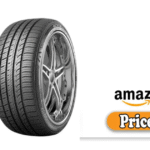
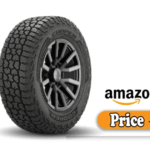
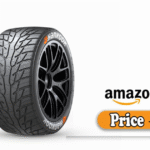
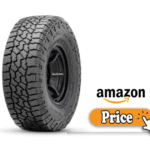
When it was time to replace the tires on my daily driver, I found myself drawn to the Cooper Tires brand. I’d heard good things about their price-to-performance ratio and durability, and given my budget and usage (commute + occasional road trip), they seemed like a smart pick.
After putting several thousand miles on a set of Cooper tires, I figured I’d sit down and share a full, transparent review: what worked, what didn’t, and whether I’d buy them again (spoiler: mostly yes).
In this review, I’ll aim to keep things casual yet informative, no fluff, just an honest driver’s perspective. And if you’re Googling “Are Cooper Tires a good tire?”, you’ll get a pretty full answer here.

What I Like
Here are the stand-out positives I encountered with Cooper Tires.
- Good value for money
One of the things that caught my eye was that Cooper seems to hit a sweet spot in terms of cost vs performance. Many reviews note that they are “more budget-friendly than other tire brands” while still delivering solid performance. For me, that meant I could get four decent tires without bleeding my wallet dry. - Wide range of models and applications
Whether you’re after all-season street tires, light truck/ SUV tires, or even mild off-road/all-terrain versions, Cooper has something. For example, their “Sport Performance” category lists several all-season options. Having those options mattered to me because I use one vehicle for commuting and weekend getaways. - Durability & good build in many cases
Many users report that Cooper tires hold up well, especially in tougher conditions. For instance, some of the long-term reviews of the Discoverer series show durability and solid wear. I found that with my set: regular rotations, no flat-out failures, and generally stable wear (more on that later). - Comfortable & decent wet performance
In my driving, and backed by reviews, Cooper tires provide a decent ride, not ultra-premium, but certainly comfortable enough for daily use. Numerous reviews highlight “smooth and quiet” rides and good performance in the rain. For my daily commute (with rain and highway miles), that mattered. - Good warranty and support (in many cases)
The brand advertises good treadwear warranties and has an established presence. Some users mention they got solid support when things went right. It doesn’t guarantee flawless service every time, but at least the framework is there.
 👉🏿👉🏻 Check the Latest Price and Offer at Amazon 👈🏻👈🏿
What Could Be Better
No product is perfect. Here are the drawbacks I encountered, or that others have reported, which you should keep in mind.
- Tread life/wear isn’t always best-in-class
Some users report that Cooper tires don’t last quite as long as some premium competitors, especially if driven aggressively or in challenging conditions. For example:
“Less than 30K miles and they are almost down to the wear bars.” In my case, the wear was okay, but I noticed that after the 30,000-mile mark t,, he tread depth showed more wear than I anticipated. - Less performance for ultra-high-end / extreme conditions
Cooper does very well in many situations, but if you’re pushing for ultra-high performance (track, extreme snow/ice, very aggressive terrain), you may find them one step behind the very top-tier brands. For example, a review of the S/T MAXX shows the tire excels off-road and in wet conditions, but “dry pavement traction … underwhelming” compared to expectations.
If your use case is “daily driver with some off-road,, it’s fine; if you’re hot-lapping or driving in very harsh conditions, you might want more specialized. - Mixed user experiences with customer support/warranty
While some folks had good experiences, others noted less than stellar service. For example:
“…I will never buy a Cooper Tire again… 50% of the value of the tire back under the warranty, which in my opinion was ridiculous.” So, buyer beware: ensure you follow all the steps (registration, retention of proof, alignment/rotation schedule) to be in the best position if you need coverage.
- Some models may have more road noise or pick up stones
In certain aggressive tread patterns (especially off-road oriented), users report more road noise or stone retention. In the AT3 XLT review:
“They really like to pick up small stones and hold onto them.” And in forums: “Pretty loud and wearing down a bit quicker.” If you’re sensitive to noise/humidity or drive the last few miles on rough pavement, that’s a consideration. - Not always the absolute top tier on every metric
If you compare to premium brands (Michelin, Continental, etc), some users feel Cooper is “second tier”. For example:
“My perception is they are ok second tier tires behind the American majors…”That doesn’t mean they’re bad, but they might not be “best of best” in every category if you’re optimizing for ultimate performance.
My Personal Experience
Now, let’s get into my story with Cooper Tires, so you can see how I came to my judgments.
The Setup
My second-tier-sized SUV, daily commute (about 40 miles round-trip), plus regular weekend road trips (2-3 hours each way). I live in a region with seasonal rain, moderate winters (snow/ice occasionally), and mostly highway + some rural roads.
I decided to go with a Cooper all-season model (not an extreme off-road or performance tire) because I wanted balanced performance, durability, and value.
First Few Weeks
When the tires went on, they felt solid. The ride was comfortable; I didn’t feel any harshness or strange vibration. Noise levels were acceptable (I’m not ultra-delicate, but I did notice it was a bit louder than the premium set I’d had previously, but nothing outrageous).
On the freeway, including in rain, I felt confident. The tread design helped with wet traction.n I felt more comfortable than I had on budget tires I’d used before.
Mileage & Wear
Over the first ~20,000 miles, the tire wear was good. I made sure to rotate every ~6,000-8,000 miles and kept the alignment in check. The tread depth looked healthy, and the sidewalthe the ls looked clean.
Once I hit ~30,000 miles, I began to notice:
- Slightly increased road noise compared to when they were new.
- Tread depth was decreasing at a pace that suggested replacement might be due ~40-45K miles (rather than the advertised ~60K in some warranty claims).
- On rougher rural roads, I noticed small stones embedded in the tread (especially in the shoulders). Not catastrophic, just a minor annoyance.
Weather & Road Conditions
- Rainy conditions: I felt confident. No major hydroplaning or drifting; water evacuation seemed handled.
- Snow/ice: My region’s winters are moderate, so I wasn’t expecting full winter-tire performance. On light snow or packed slush, the Cooper tires did fine. On deep snow or icy inclines, I felt they were okay but not exceptional compared to a dedicated winter tire.
- Highway cruising: Good comfort. I did notice some road noise increase after ~30,000 miles, but still acceptable for daily driving.
- Off-pavement / rough surfaces: Because I’m not an extreme off-roader, I didn’t push them incredibly hard, but on gravel roads and rural terrain, I found them holding up reasonably well.
Final Stretch
At ~40,000 to ~45,000 miles, I decided to replace them (for peace of mind and consistent performance) rather than wait till the tread was dangerously low. Considering the value I got and the conditions, I was satisfied with the total usage.
Would I Buy Again?
Yes, I would buy Cooper Tires again, with a few caveats:
- I’d pay close attention to the specific model (since Cooper’s lineup has many variants).
- I’d ensure proper maintenance (rotation, alignment) is followed.
- I’d temper expectations: great value, solid performance for most driving, but not the ultra-premium top-tier in every regard.
Design
Understanding the design of the tires helps explain how they perform and wear. Here’s what I found (both from my experience and from research) about how Cooper constructs their tires.
Materials & Tread Compounds
Cooper uses modern tread compounds and designs aimed at balancing durability, wet/ dry traction, and comfort. For example, their all-season models advertise “a mix of long tread life, wet performance, and reliable handling” (see their “Endeavor ™” series).
Their off-road/all-terrain models (like “Discoverer AT3 XLT”) use more aggressive compounds and patterns for better grip on loose surfaces.
Tread Pattern & Void Design
One of the keys in tire design is how the tread is laid out: the grooves, sipes, voids, and shoulders affect traction, water evacuation, noise, and wear. In reviews, Cooper’s S/T MAXX model, for example, performed well in wet conditions thanks to its 4-5 rib tread pattern and silica rubber compound for hydroplaning resistance.
On the flip side, the more aggressive voids of off-road versions can lead to more stone retention and noise (as some users report).
Sidewalls & Build Quality
The sidewalls play a big role in ride comfort, durability, and off-road toughness. Some Cooper models (especially the truck/ SUV ones) use reinforced sidewalls for heavier loads or rough terrain. In the AT3 XLT review, the author noted the 2-ply sidewall was good, but they would have preferred a 3-ply for extreme rock use.
In my daily driver context, the sidewalls were tougenough h with no visible bulges, cracks, or damage for the miles I drove.
Comfort & Noise Design Considerations
Tire design also includes efforts to limit noise and smooth ride quality. Cooper’s all-season models seem to emphasize that. Some user reviews say the ride is “smooth and quiet,” especially on he highway.
In practice, I did feel a slightly higher noise floor than ultra-premium tires, but it never became a deal-breaker.
Summary of Design Takeaways
- Good materials and compounds for the money.
- Well-rounded tread designs for all-season use; more aggressive ones for off-road.
- Sidewall and build quality are sufficient for typical daily use; if you’re extreme off-road, the very top build may not match ultra-premium rivals.
- Comfort and noise are decent, though not best-in-class.
- Maintenance and correct installation matter many of the performance/wear issues tie back to alignment, rotation, and road conditions rather than inherent defects.
Performance
Here’s how the Cooper Tires performed in real conditions, what I observed, and what research backs up.
Dry Road Performance
On dry pavement, the Cooper set felt solid. Acceleration, cornering, and braking all felt confident. However, I did note that compared to a previous premium tire set, I felt a touch less grip and less crisp feedback, especially as the tread wore.
This aligns with certain reviews: for instance, the S/T MAXX review said dry pavement traction was “underwhelming” compared to some expectations. So: good, but if you’re chasing ultra-performance (track days, sport driving) y,, you might notice a gap.
Wet Road / Rain Performance
In the rainy conditions I encountered (heavy showers, standing water, highway speeds), I felt comfortable. There was no significant slippage, no scary hydroplaning, and braking felt consistent.
This matches what many users say: Cooper has “very impressive in rain” performance in some cases.
Of course, wet road performance will always depend on tread depth, proper inflation, and condition. Not to form a use case, they passed muster.
Snow / Ice / Winter Conditions
Again, for my moderate‐winter region, the tires were fine. On packed snow or a light layer, they held well. On deep snow, sharp ice, or severe winter conditions, I felt they were less strong than a dedicated winter tire.
Research backs that up: the AT3 XLT review said while the tire “maintained traction very well on the snowiest of roads,” it didn’t match more specialized winter tires in deep snow.
If you live in a very harsh winter climate, you might consider pairing with a dedicated winter model.
Off-Road / Rough Surface Performance
While not my primary use case, I did drive on some gravel roads, occasional dirt tracks, and uneven surfaces. The Cooper tires handled fine, held up well without obvious failures. That aligns with long-term reviews for Cooper’s all-terrain models.
That being said, their off-road performance did come with some caveats: more stone retention, slightly more noise, and somewhat less dry‐pavement grip due to the tougher compound. So if you’re strictly off‐road heavy use, you might want to compare with a dedicated “mud terrain” or hardcore tire.
Tread Life & Wear
In my experience, the tread life was solid but not spectacular. I estimate I got about 40-45k miles before I felt replacement was prudent. The warranty for some Cooper models advertises higher (60k miles) or good tread-life coverage.
One long-term review said the AT3 XLT should have “no issues getting close to the 60,000 miles treadwear protection offered by Cooper.”
However, user forum comments show that some owners saw faster wear. Your mileage will vary based on driving style, rotation, alignment, road conditions, vehicle load, etc. I made sure I rotated regularly, kept inflation correct, and that kept the tires in decent shape.
Noise, Comfort & Ride Quality
From day to day, I found the ride comfortable. No harshness, the sidewalls did their job. Noise was fine for normal driving, but again, compared to ultra-premium tires, it was slightly louder.
After ~30k miles, I did notice a bit more tire noise (normal wear effect), especially at highway speeds. Some users say Cooper tires deliver ride quality and noise levels “on par with much more expensive premium tires” (for certain models).
In sh, rt: for my daily commuter + occasional road trip use, they were more than acceptable.
Summary of Performance
- Excellent value performance for everyday driving.
- Strong wet road and decent snow performance (for moderate climate).
- Dry performance is good, just not ultra-premium level.
- Off-road/rough surface durability is good for light-to-moderate use.
- Wear and tread life are solid, provided you maintain them.
- Comfort & noise are acceptable; you might notice a slight difference versus top-tier, but likely only if you’re very particular.
Build Quality
How well are Cooper Tires built? Here’s what the evidence says and what I observed.
Manufacturing & Materials
Cooper has a long history (over 100 years) as a tire manufacturer. They’ve built up capabilities and global manufacturing.
From material reports and reviews, they are using modern rubber compounds, sidewall reinforcements, and tread designs that show attention to durability, especially for their truck/ SUV/all-terrain models. For example, the long-term review of the S/T MAXX noted:
“Our four primary tires remained balanced until I installed the ARB internal TPMS kit… a great test of build quality.” That kind of positive sign gives me confidence.
Quality Control & Warranty Issues
On the flip side, there are complaints and mixed experiences around warranty claim experiences and quality anomalies. For example:
“…the front left tire looked like it had been cut… manufacturing defect.” Thus, while the build generally appears good, it’s not flawless, and quality control (as with any manufacturer) has variability. From a buyer’s perspective, that means you should check the date codes, check for proper inflation/rotation, etc.
Longevity & Sidewall/Shoulder Condition
In my own experience the sidewalls looked good even after many miles. No bulges, cracks, or severe shoulder damage. I did hit some rough curbs and rough roads, and the tire held up. Others have reported similar good sidewall durability (especially for the more rugged models).
One caveat: because rugged tires often use stiffer compounds or heavier build, sometimes cornering finesse or ride comfort sacrifices are made.
Fit & Finish / Dealer Installation
Important note: Build quality isn’t just the i e it’s the installation (balance, alignment, proper inflation). I made sure to have the dealer balance the tires properly, check alignment, and adhere to the rotation schedule.
That helped minimize vibration and uneven wear. If you skip that, even a well-built tire will perform poorly.
Summary of Build Quality
- Generally well-built, with solid materials and durability.
- Quality control has occasional hits and missInspectectt your tires, keep records.
- Sidewall/shoulder durability is good in normal use.
- Installation and maintenance matter a lot to realize the build quality.
- In short, build quality is a strong point in the Vatiere Ti; er you get a lot of “bang for buck.”
Alternative Option
If you’re considering Cooper Tires but want to explore an alternative (either because you want slightly higher performance or want something more tailored to your use), here’s a suggestion and comparison.
Suggested Alternative: Michelin (for everyday / premium focus)
Michelin is widely seen as a premium tire brand, with a strong reputation for tread life, performance, quiet ride, and top-tier build. If budget allows, you might consider stepping up to Michelin (or another premium brand) if you want the extra margins of performance and longevity.
Why consider the alternative?
- If you do a lot of miles (50K+ per year) and want a tire that goes longer between replacements.
- If you drive aggressively / have a high-performance vehicle and want the best handling.
- If road noise, premium comfort, and quiet ride are very important.
- If you live in extreme conditions (very harsh winter, heavy off-road), and want a specialized tire.
How Cooper compares to the alternative
- Cooper gives great value: you’ll likely spend less upfront and still get a very respectable performance.e
- If you’re a normal driver (commute + moderate driving) and practice good maintenance, Cooper may meet your needs very well.
- If you push the envelope (performance, extremes), you may see where premium brands pull ahead.
When Cooper might be the right choice
- You’re budget-conscious but still want solid, reliable tires.
- You drive mostly normal roads, moderate weather, and a regular vehicle.
- You prefer to rotate/maintain properly and are realistic about trade-offs.
- You anticipate replacing tires in a few years anyway, and want to maximize value.
When you might lean away from Cooper and toward the premium alternative
- You value the longest possible tread life and the best warranty possible.
- You drive high speeds, heavy loads, or in extreme weather.
- You prioritize whisper-quiet ride, ultra-premium comfort, or high-end vehicle status.
- You want specialized tires (for example, deep snow, rock crawling off-road, very heavy towing) and are willing to pay more.
Final Thoughts
So, after all of that, are Cooper Tires a good tire? My answer: Yes, for many drivers, Cooper Tires are a very good tire. They deliver strong value, dependable performance, and solid build quality. For my daily driving, they hit the sweet spot between cost and quality.
That said, they are not perfect, and they are not the best in every single metric compared to ultra-premium brands. But if you’re realistic about usage, maintain the tires properly, and buy the right model for your driving style, Cooper Tires are absolutely worth considering.
If I were to sum it up:
- If you drive a normal daily vehicle, commute, occasional road trip, moderate weather: go for Cooper.
- If you’re more of an enthusiast driver, heavier user, extreme weather, or off-road thinker, about whether stepping up might make sense.
In my case, I felt satisfied, I’d buy them again, and overall, I think they were a smart choice for what I needed.
Read More: Who Sells Hankook Tires | My Honest Experience
FAQs: Are Cooper Tires A Good Tire | My Honest Experience
Here are some frequently asked questions (and my best answers) for Cooper Tires:
Q: How long do Cooper Tires last?
A: It depends on driving style, maintenance, vehicle, and road conditions. In my experience, ~40-45k miles before I felt replacement prudent. Some models have warranties up to ~60k miles in ideal conditions. For example, the AT3 XLT review noted wear consistent with getting near 60K. But some users report faster wear (~20-30K) depending on conditions.
Q: Are Cooper Tires good in the rain?
A: Yes, I found them solid in wet conditions, and reviews support this: they “very impressive in rain” for many models. As always, performance depends on tread depth, inflation, and road surface.
Q: Are Cooper Tires good for snow/ice?
A: For moderate winter conditions, yes. In heavy snow/ice or extreme climates, you may get better performance from dedicated winter tires. For example, the AT3 Xare are LT performed well on snowy roads but not as well as ultra-specialized tires. If you live somewhere with very harsh winters, consider getting winter-specific tires.
Q: Do Cooper Tires offer good value?
A: Absolutely one of their strongest points. Many reviews say you get “great quality at a fair price.” If you balance cost, performance, and durability, they are a strong value.
Q: What about warranty and claims?
A: They offer warranties (tread life, defects) depending on model and region. However, some users report mixed experiences with claim processing or prorated reimbursements.
For example: Recommendation: keep all records (purchase date/ mileage/rotation history), follow maintenance guidelines, register tires if required, and check the specific model’s warranty details.
Q: Which Cooper model should I pick?
A: That depends on your vehicle and driving style. If you drive a standard commuter car, go for an all-season touring style. If you have an SUV/truck and occasional rough roads, look at their Discoverer all-terrain line (e.g., AT3 XLT).
If you’re performance-oriented, look at their Sport Performance line. Always match the tire size, load rating, and speed rating to your vehicle’s requirements and your driving conditions.
Q: Are there any installation/maintenance tips?
A: Yes. To get the most from any tire (including Cooper):
- Make sure proper inflation (check monthly).
- Rotate according to your vehicle’s schedule (every ~5-8k miles).
- Keep alignment in ch; misalignment accelerates wear.
- Monitor tread depth and sidewall condition.
- Drive reasonably (avoid frequent hard cornering/very heavy loads) to maximize lifespan.