If you’ve ever turned on your car’s air conditioning on a hot day and enjoyed that refreshing blast of cool air, you’ve got several important components working together behind the scenes.
One of the most critical but often overlooked parts is the car expansion valve. The expansion valve plays a small but powerful role in the air conditioning system.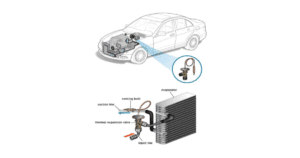 Without it, your AC simply wouldn’t be able to deliver cold air effectively. It controls how refrigerant moves through the system and ensures the evaporator gets exactly the right amount.
In this guide, I’ll break down what a car expansion valve does, how it works, why it matters, common symptoms of failure, and how to choose the right replacement.
Whether you’re a DIY car owner, a curious driver, or someone dealing with AC problems, this article will give you a clear and practical understanding.
What Is a Car Expansion Valve?
A car expansion valve, also called a thermal expansion valve (TXV), is a component in the vehicle’s air conditioning system that regulates the flow of refrigerant entering the evaporator.
It sits between two important components:
- The AC condenser
- The AC evaporator
Its job is to reduce the pressure of liquid refrigerant and control how much enters the evaporator, where the actual cooling happens.
In Simple Terms
Think of the expansion valve like a smart faucet for refrigerant. It carefully meters the flow so the AC system operates efficiently and produces maximum cooling.
How the Expansion Valve Works in a Car AC System
To understand the expansion valve, we need to briefly look at the AC cooling cycle. A typical car AC system has these main components:
- AC compressor
- Condenser
- Expansion valve
- Evaporator
Here’s how the expansion valve fits into the process.
Step-by-Step Cooling Process
Step 1 – Compression
The compressor compresses refrigerant gas, increasing its pressure and temperature.
Step 2 – Condensation
The refrigerant moves into the condenser, where it cools and turns into a high-pressure liquid.
Step 3 – Expansion
This is where the expansion valve comes in. The valve:
- Drops the refrigerant pressure
- Controls the flow rate
- Turns the refrigerant into a cold mist
Step 4 – Evaporation
The refrigerant enters the evaporator, absorbs heat from the cabin air, and cools the interior.
Key Functions of a Car Expansion Valve
The expansion valve performs several critical functions.
1. Regulates Refrigerant Flow
The valve adjusts how much refrigerant enters the evaporator depending on cooling demand.
If too much refrigerant enters, the system can freeze.
If too little enters, the AC won’t cool properly.
2. Reduces Refrigerant Pressure
High-pressure refrigerant from the condenser must be reduced to low pressure before entering the evaporator.
The expansion valve handles this pressure drop.
3. Controls Evaporator Temperature
The valve monitors temperature and adjusts refrigerant flow to keep the evaporator working efficiently.
4. Prevents Evaporator Flooding
Too much refrigerant can damage the compressor. The expansion valve prevents this by maintaining proper flow.
Comparison Table: Expansion Valve vs Orifice Tube
Many cars use either an expansion valve or an orifice tube to regulate refrigerant flow.
| Feature | Expansion Valve (TXV) | Orifice Tube |
| Refrigerant Control | Variable flow | Fixed flow |
| Efficiency | Higher | Lower |
| Complexity | More complex | Simple design |
| Used In | Many modern vehicles | Older vehicles |
| Performance | Adapts to temperature | Constant flow |
| Cost | More expensive | Cheaper |
Expansion valves generally offer better efficiency and more precise cooling control.
Where Is the Expansion Valve Located?
The expansion valve is usually located:
- Between the evaporator and condenser
- Near the firewall
- Often attached to the evaporator inlet
In many vehicles, it sits inside or near the AC evaporator housing, which can make replacement somewhat challenging.
Symptoms of a Bad Car Expansion Valve
When an expansion valve fails, the entire AC system suffers. Here are the most common warning signs.
1. Weak or Warm AC Air
If the valve gets stuck or clogged, refrigerant flow is restricted, leading to poor cooling. You may notice:
- AC is blowing warm air
- Inconsistent cooling
- Slow cabin cooling
2. AC System Freezing
A faulty valve may allow too much refrigerant into the evaporator, causing ice buildup. Signs include:
- Ice on AC lines
- AC stops cooling after a while
- Water dripping after the AC melts
3. AC Compressor Always Running
When the valve fails, the compressor may run continuously because the system can’t reach the desired temperature. This can cause:
- Increased fuel consumption
- Compressor wear
4. Unusual AC Pressure Readings
Mechanics often detect expansion valve problems by checking AC pressure levels. Symptoms include:
- High high-side pressure
- Low low-side pressure
- Fluctuating pressure readings
Causes of Expansion Valve Failure
Like most mechanical components, expansion valves can fail for several reasons.
Contaminated Refrigerant
Dirt, debris, or moisture inside the AC system can clog the valve.
Moisture in the System
Water can freeze inside the valve and block refrigerant flow.
Internal Wear
Over time, the internal spring and needle mechanism can wear out.
AC System Debris
If the compressor fails, metal particles can travel through the system and damage the valve.
How Much Does a Car Expansion Valve Cost?
The cost varies depending on the vehicle model and labor involved.
| Expense | Average Cost |
| Expansion valve part | $30 – $150 |
| Labor | $150 – $400 |
| Total replacement cost | $200 – $550 |
Luxury or complex vehicles may cost more due to difficult access to the evaporator housing.
Can You Drive With a Bad Expansion Valve?
Technically, yes, but it’s not recommended. Driving with a faulty valve may lead to:
- Poor AC performance
- Compressor damage
- Reduced cooling efficiency
- Higher repair costs later
If your AC stops cooling properly, it’s best to diagnose the issue early.
How Mechanics Diagnose Expansion Valve Problems
Professional mechanics typically perform several tests:
AC Pressure Test
They measure high and low pressure using AC gauges.
Temperature Testing
They check temperature changes across AC components.
Visual Inspection
They inspect refrigerant lines, frost buildup, and valve blockage.
System Flush Check
If debris is present, the entire system may need flushing.
Can You Replace an Expansion Valve Yourself?
DIY replacement is possible but not beginner-friendly. It usually requires:
- Refrigerant recovery equipment
- AC manifold gauges
- Vacuum pump
- Proper refrigerant refill
Since refrigerant handling requires special equipment, many people choose professional service.
Buyer’s Guide: Choosing the Right Car Expansion Valve
If you need to replace your expansion valve, here’s what to consider.
1. Vehicle Compatibility
Always choose a valve designed for your exact car make, model, and year. Incorrect valves can cause cooling problems.
2. OEM vs Aftermarket Parts
OEM valves
- Made by the original manufacturer
- Higher reliability
- More expensive
Aftermarket valves
- Lower cost
- Quality varies by brand
Trusted brands usually provide good performance.
3. Material Quality
Look for valves made with:
- Corrosion-resistant metals
- High-quality seals
- Durable internal springs
This ensures a longer lifespan.
4. Warranty
Good manufacturers offer 6-12 month warranties. This protects you if the part fails early.
5. Brand Reputation
Well-known brands tend to offer more consistent quality. Check reviews before buying.
Maintenance Tips to Protect Your Expansion Valve
Proper AC maintenance can extend the life of the valve.
Run Your AC Regularly
Even during winter, run the AC occasionally to keep refrigerant circulating.
Replace the Cabin Air Filter
Clogged filters can strain the AC system.
Service the AC System
Professional AC servicing every 1–2 years helps prevent contamination.
Fix Compressor Problems Early
A failing compressor can send debris through the system and destroy the expansion valve.
Expansion Valve vs Other AC Components
Understanding how it compares with other parts helps clarify its role.
| Component | Function |
| Compressor | Pressurizes refrigerant |
| Condenser | Removes heat from refrigerant |
| Expansion Valve | Controls refrigerant flow |
| Evaporator | Absorbs heat and cools air |
All four components must work together for effective cooling.
Final Thoughts
The car expansion valve may be a small component, but it plays a huge role in your vehicle’s air conditioning system.
It ensures the right amount of refrigerant reaches the evaporator, maintains proper pressure levels, and helps deliver consistent cooling inside your car.
When it fails, you may experience weak cooling, ice buildup, or unusual AC pressure problems. Fortunately, replacing the valve is usually affordable compared to major AC repairs.
Keeping your AC system clean, serviced, and properly charged will help extend the life of the expansion valve and keep your car comfortable in hot weather.
Read More: Car AC Parts Diagram
FAQs: What Does A Car Expansion Valve Do
What does a car expansion valve do?
A car expansion valve controls the amount of refrigerant entering the evaporator and reduces refrigerant pressure to allow proper cooling.
Is an expansion valve the same as an orifice tube?
No. An expansion valve regulates refrigerant flow dynamically, while an orifice tube provides a fixed flow.
How long does an expansion valve last?
Most expansion valves last 8–12 years, depending on AC system maintenance and driving conditions.
Can a clogged expansion valve cause the AC to stop working?
Yes. If the valve becomes clogged, refrigerant cannot flow properly, resulting in weak or no cooling.
What happens if an expansion valve sticks open?
If it sticks open, too much refrigerant enters the evaporator, which may cause ice buildup and compressor damage.
How do I know if my expansion valve is bad?
Common symptoms include:
- AC is blowing warm air
- Frost on AC lines
- Weak airflow
- Inconsistent cooling
A mechanic can confirm the issue using AC pressure gauges.